
Heart Attack Prevention: Articles
Most heart attacks are predictable years in advance — if you measure the right markers. These articles cover advanced risk assessment, the tests standard checkups skip, and the root-cause strategies that prevent a first or recurrent event.
Browse related topics: Heart Disease → | Coronary Artery Disease → | High Cholesterol & Lp(a) → | See all conditions
92 articles on Heart Attack Prevention
-

What Is Holistic Cardiology?
Read more →: What Is Holistic Cardiology?Heart Attack PreventionHeart Disease Reduce high blood pressure: This can be done through weight loss and stress reduction as opposed to medication. 5-minute breaks: Sitting for prolonged periods of time can be harmful to your health, so try taking a 5-minute break to move around once every hour at work. Increase oxygen intake: You can…
-
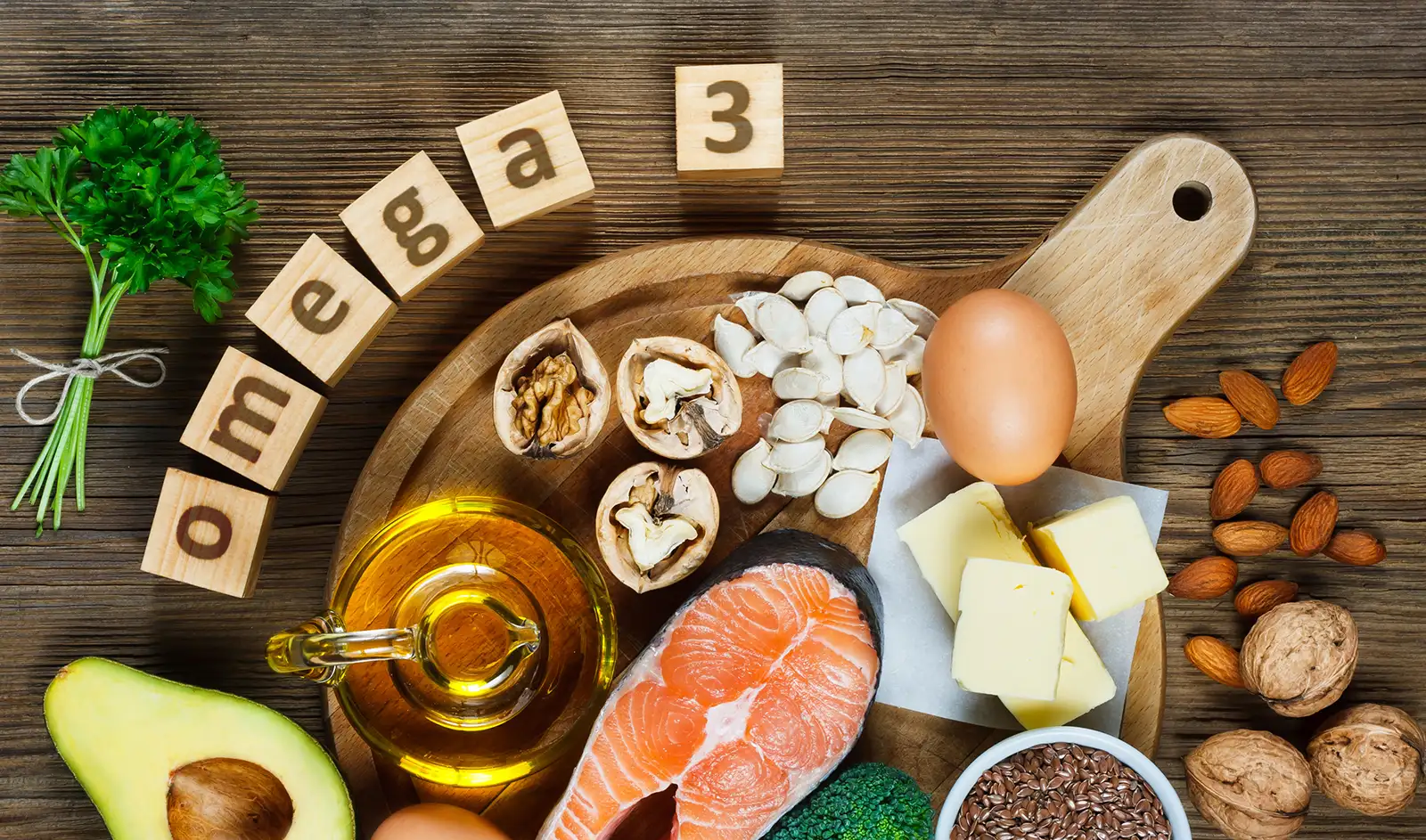
How To Incorporate More Omega-3s Into My Diet
Read more →: How To Incorporate More Omega-3s Into My DietHeart Attack PreventionHeart Disease Key Points ✓ Preventing heart disease and stroke ✓ Salmon Importance of Omega-3s How Omega-3s Improve Health? Preventing heart disease and stroke Reducing risk of autoimmune diseases Promoting brain health during pregnancy and early life Improving skin texture and elasticity Supporting bone and joint health What foods are high in Omega-3s?…
-

What is the Pegan Diet?
Read more →: What is the Pegan Diet?Heart Attack PreventionHeart Disease Fruits and vegetables should make up about 75% of food intake. The remainder should be animal-based protein sustainably raised Avoid wheat and gluten Avoid all dairy Avoid added sugars Limit legumes and beans This article was reviewed by Dr. Regina Druz, MD, MBA, FACC, FMCP-M — Board-Certified Integrative Cardiologist at Holistic…
-

Biological Effects Of Exercise
Read more →: Biological Effects Of ExerciseHeart Attack PreventionHeart Disease Heart. The more you exercise the more efficient your heart can supply oxygenated blood to your muscles. Regular physical activity aids in lowering cholesterol as some studies have shown it to enhance transportation through your body’s natural filtration system as well as helps to reduce overall particle size. Muscles. Exercising…
-
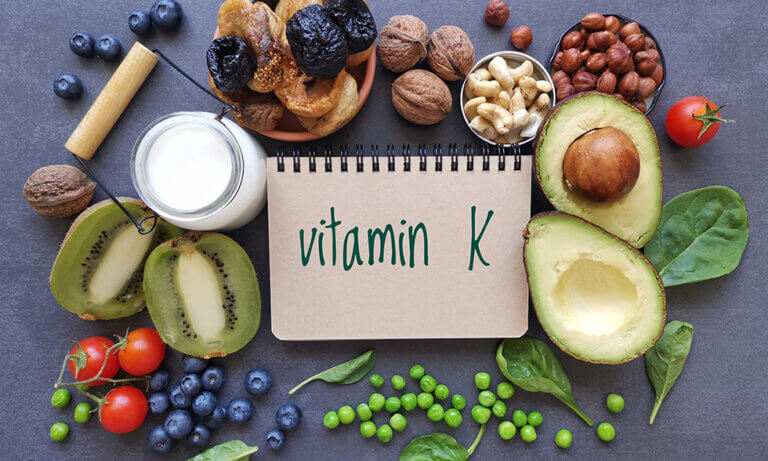
Vitamin K
Read more →: Vitamin KHeart Attack PreventionHeart Disease Key Points ✓ With an 80% effectiveness rate, the goal of the program is to help restore metabolism and wellness. Importance of Vitamins Prevent and treat various diseases (including heart disease) Lower your chance for high cholesterol Avoid eye and skin disorders Facilitate many of the body’s mechanisms Perform functions which…
-
Foods That Help With Cholesterol
Read more →: Foods That Help With CholesterolCoronary Artery DiseaseHeart Attack PreventionHeart DiseaseHigh Cholesterol & Lp(a) Key Points ✓ Egg yolks ✓ Poor diet Eating saturated fat found in animal products, and trans fats, found in processed foods, can raise your cholesterol level. ✓ Chest pain ✓ Tomatoes In what foods can cholesterol be found? Egg yolks Meat Cheese What happens if…
-

When Is The Best Time Of Day To Take Supplements?
Read more →: When Is The Best Time Of Day To Take Supplements?Heart Attack PreventionHeart Disease This article was reviewed by Dr. Regina Druz, MD, MBA, FACC, FMCP-M — Board-Certified Integrative Cardiologist at Holistic Heart Centers, Roslyn, NY. This content is for educational purposes and does not substitute personalized medical advice. More Articles on Heart Disease See all Heart Disease articles → | Back to Heart Health…
-

Detox for Heart Health: What the Evidence Actually Supports
Read more →: Detox for Heart Health: What the Evidence Actually SupportsHeart Attack PreventionHeart Disease Detox for heart health is one of the most misunderstood topics in integrative medicine — misunderstood in both directions. On one side, the wellness industry promotes aggressive cleanses and unproven protocols that have no clinical basis. On the other, conventional medicine dismisses the concept entirely. The clinical reality sits between these…
-

What is holistic cardiology?
Read more →: What is holistic cardiology?Heart Attack PreventionHeart Disease Embracing a variety of safe, effective options in the diagnosis and treatment Searching for underlying causes of the disease Discovering not only what kind of disease a patient has but what kind of patient has a disease Illness affects a whole person, not just an isolated event Healing occurs easier when…
-
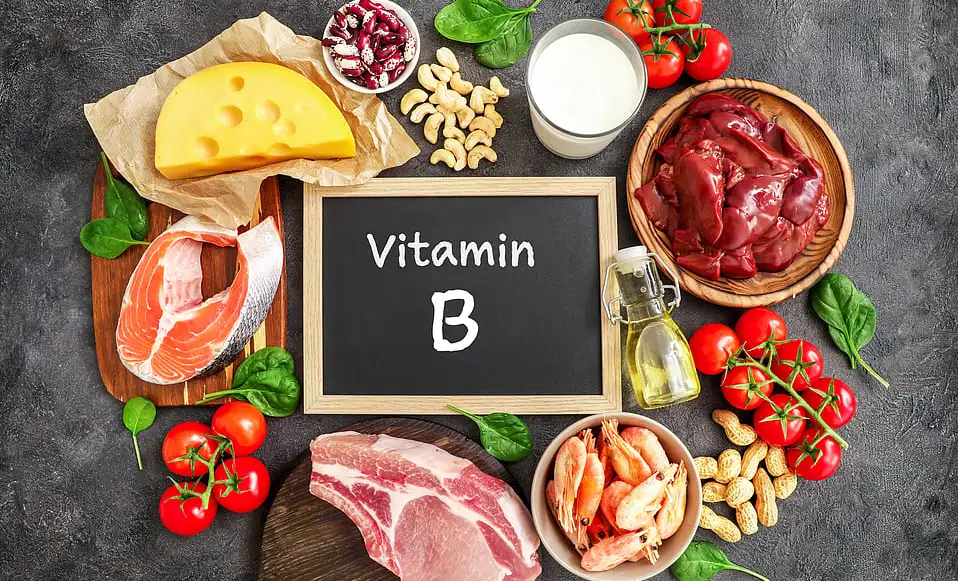
B Vitamins
Read more →: B VitaminsHeart Attack PreventionHeart Disease Maintenance of muscle tone in the G.I tract Stability of nervous system The integrity of skin, hair, and liver. Support of methylation and toxin removal Energy generation Stabilization of vascular lining This article was reviewed by Dr. Regina Druz, MD, MBA, FACC, FMCP-M — Board-Certified Integrative Cardiologist at Holistic Heart Centers,…
-
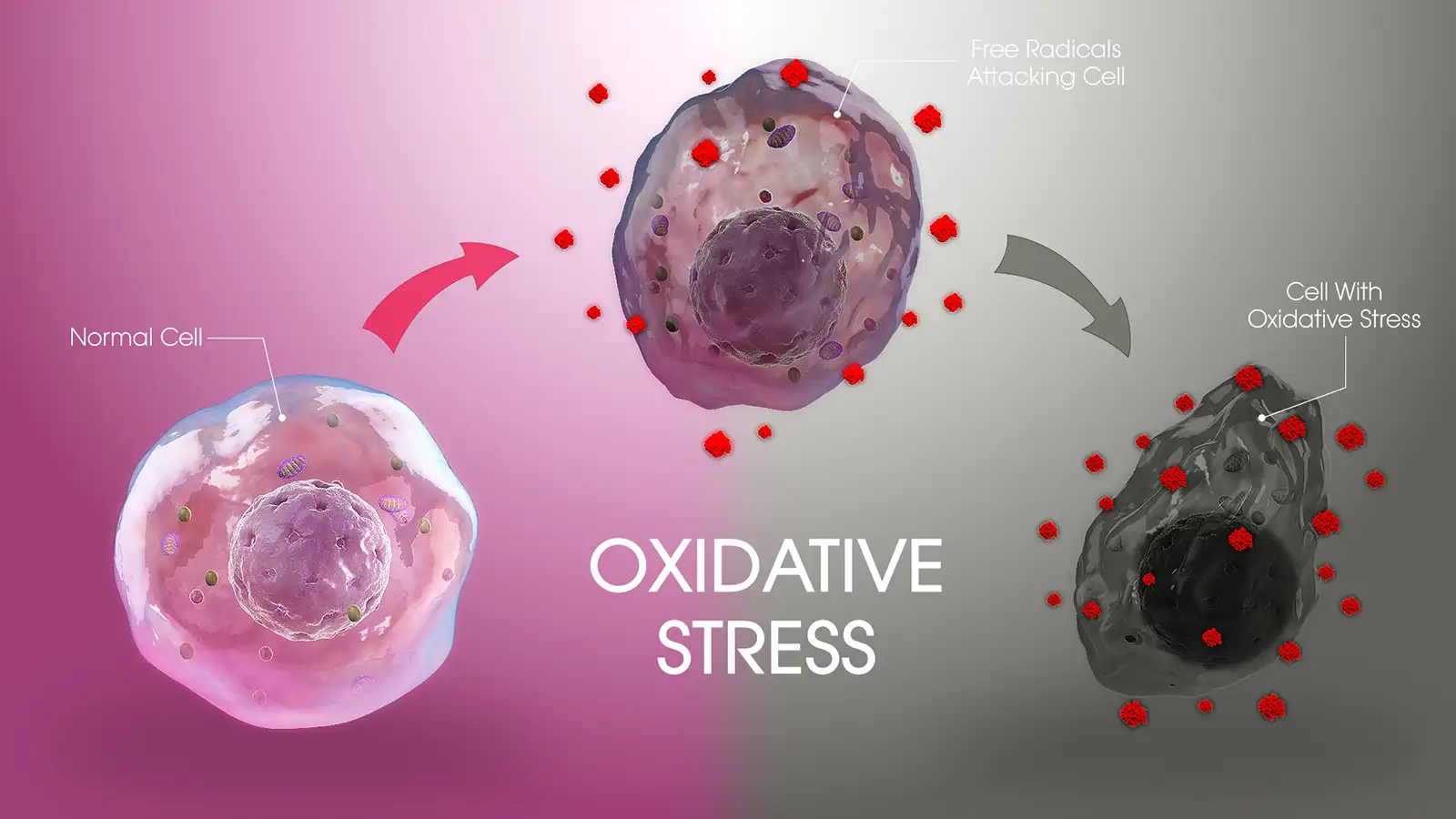
Oxidative Stress and Heart Disease: What It Is, How to Measure It, and How to Reduce It
Read more →: Oxidative Stress and Heart Disease: What It Is, How to Measure It, and How to Reduce ItCoronary Artery DiseaseHeart Attack PreventionHeart DiseaseHigh Cholesterol & Lp(a) Oxidative stress is one of the primary mechanisms driving cardiovascular disease — yet it rarely appears on a standard cardiology workup. As an integrative cardiologist, Dr. Regina Druz, MD, MBA, FACC, FMCP-M measures oxidative burden directly through biomarkers like oxidized LDL and 8-isoprostane, because addressing oxidative…
-
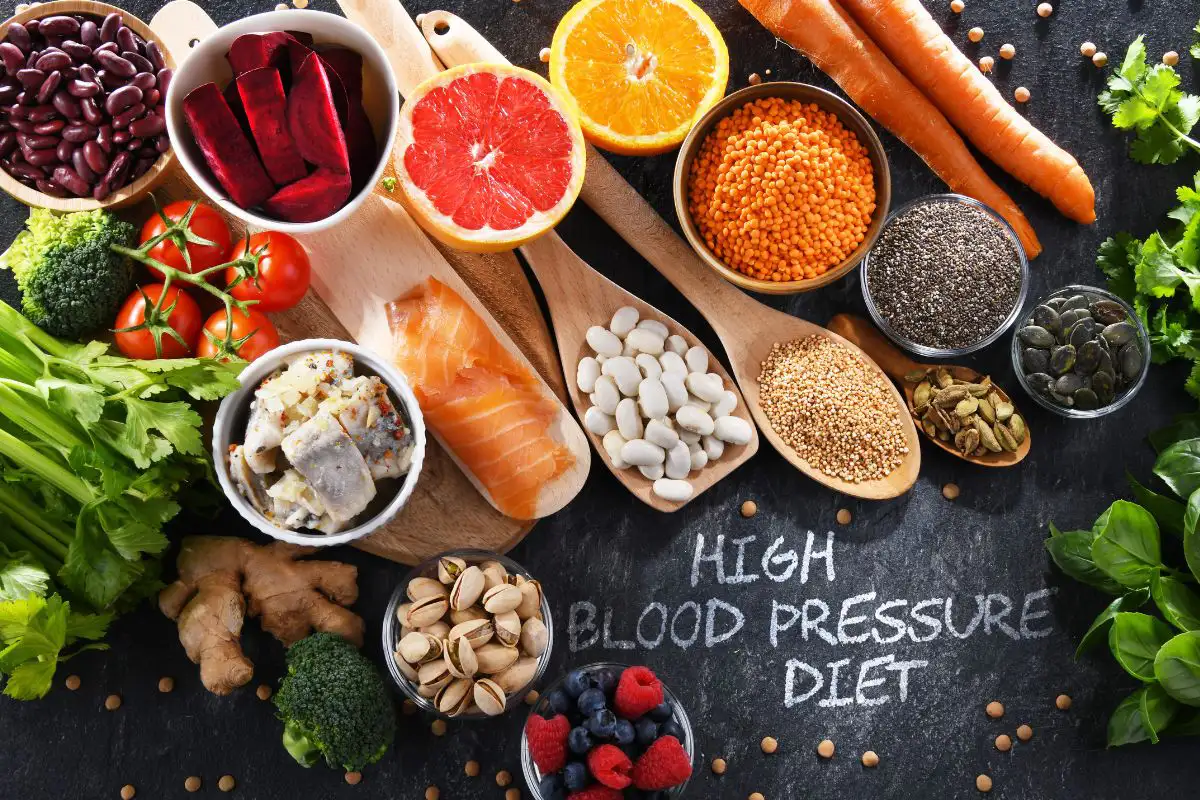
Foods That Lower Blood Pressure: A Cardiologist’s Evidence-Based Guide
Read more →: Foods That Lower Blood Pressure: A Cardiologist’s Evidence-Based GuideCoronary Artery DiseaseHeart Attack PreventionHeart DiseaseHypertension Foods that lower blood pressure are among the most searched cardiovascular topics online — and for good reason. Hypertension affects nearly half of American adults, most of whom are managed with medication alone, without a systematic review of the dietary and lifestyle factors that drive blood pressure elevation. As…
Prevent the Heart Attack You Can See Coming.
The drivers behind heart attack prevention — inflammation, insulin resistance, oxidative stress, hormonal shifts — are identifiable and addressable. The HeartWell Step 1 Explore visit uncovers what is driving yours and builds a plan to address it.