Biological Effects Of Exercise

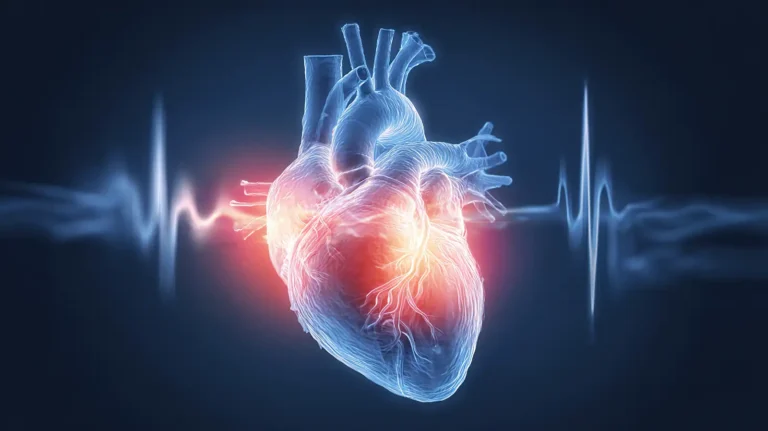
- Heart. The more you exercise the more efficient your heart can supply oxygenated blood to your muscles. Regular physical activity aids in lowering cholesterol as some studies have shown it to enhance transportation through your body’s natural filtration system as well as helps to reduce overall particle size.
- Muscles. Exercising daily results in higher blood flow to your muscles and an increase in your muscle size.
- Lungs. Your breathing rate increases as a result of heavier exercise because the muscles in your body are demanding more oxygen. Exercising helps your lungs become more efficient in removing carbon dioxide waste and delivering oxygen to your body.
- Joints & Bones. Exercising your body regularly helps you maintain a healthy bone mass. Exercise helps prevent osteoporosis, a condition where bones become brittle from loss of tissue.
- Brain. Exercise not only helps your body, but it helps your brain by Improving brain functions and memory.
What can Integrated Cardiology of Long Island do to help?
More Articles on Heart Disease
-
Can Diet Reverse Heart Disease?
Read more →: Can Diet Reverse Heart Disease?Heart Disease Diet can contribute to reversing heart disease, particularly when it addresses the root causes of atherosclerosis like inflammation, insulin resistance, and oxidative stress. Clinical trials have demonstrated measurable plaque regression with intensive dietary intervention. However, diet alone may not be sufficient for everyone, especially those with advanced disease, genetic risk factors, or significant…
-
What Causes Heart Disease?
Read more →: What Causes Heart Disease?Heart Disease Heart disease is caused by damage to the blood vessels and heart muscle that accumulates over time. While cholesterol often receives the most attention, the actual disease process is driven by a combination of chronic inflammation, metabolic dysfunction, oxidative stress, and arterial damage. These factors interact to create atherosclerosis, the buildup of plaque…
-
Why Is Heart Disease The Leading Cause Of Death?
Read more →: Why Is Heart Disease The Leading Cause Of Death?Heart Disease Heart disease remains the leading cause of death worldwide because it develops silently over decades, is driven by common modern lifestyle factors, and is often detected too late requiring invasive intervention. The cardiovascular system is uniquely vulnerable to the cumulative effects of inflammation, metabolic dysfunction, and arterial damage. Unlike many other diseases, heart…
See all Heart Disease articles → | Back to Heart Health Blog