Why Is Heart Disease The Leading Cause Of Death?
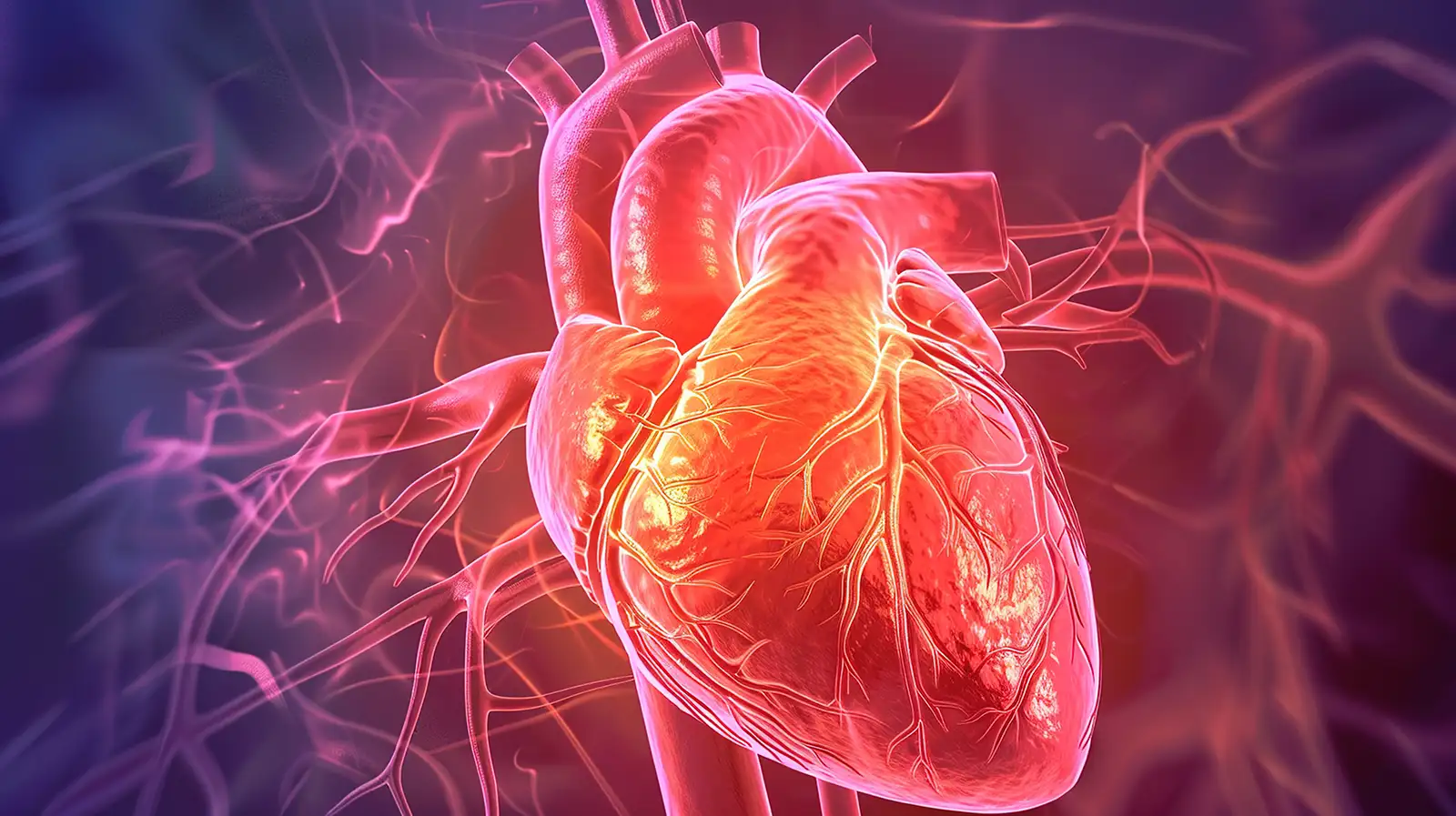
Heart disease remains the leading cause of death worldwide because it develops silently over decades, is driven by common modern lifestyle factors, and is often detected too late requiring invasive intervention. The cardiovascular system is uniquely vulnerable to the cumulative effects of inflammation, metabolic dysfunction, and arterial damage. Unlike many other diseases, heart disease can progress without obvious symptoms until a catastrophic event like a heart attack or stroke occurs.
Silent Progression: Atherosclerosis develops over 20 to 40 years before causing symptoms. By the time chest pain or shortness of breath appears, significant vessel damage has already occurred.
Modern Lifestyle Factors: Sedentary behavior, processed food consumption, chronic stress, poor sleep, and environmental toxins create the perfect conditions for cardiovascular disease to develop.
Delayed Detection: Standard screening misses early disease. Many people with “normal” cholesterol still have heart attacks because conventional testing does not capture the full picture of cardiovascular risk.
Preventable But Not Prevented: Up to 80% of cardiovascular disease is considered preventable through lifestyle modification and early intervention, yet most healthcare systems focus on treatment after disease has developed rather than true prevention.
Understanding Why Heart Disease Is So Deadly
Heart disease kills more people than all cancers combined. In the United States alone, someone has a heart attack every 40 seconds, and cardiovascular disease accounts for approximately one in every four deaths. Globally, nearly 19.2 million people die from cardiovascular disease each year (2023 data). Understanding why requires looking at how the disease develops and why our current approach to prevention falls short.
The Disease Starts Early And Progresses Silently
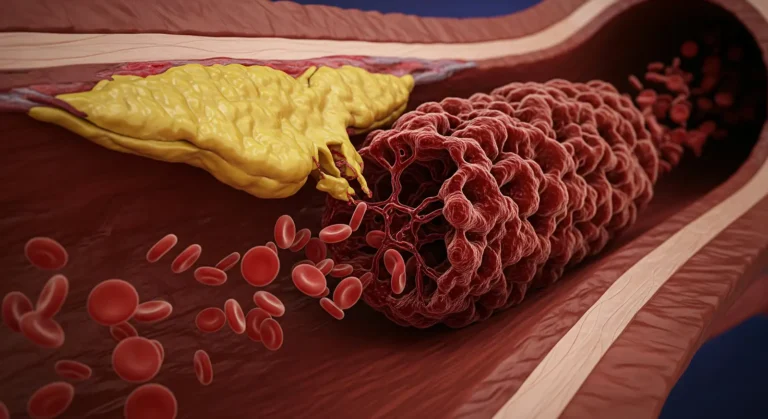
Autopsy studies of young soldiers and accident victims have found early atherosclerosis in people in their teens and twenties. The process begins with damage to the arterial lining, often from inflammation, high blood sugar, or high blood pressure. Cholesterol particles enter the damaged areas, triggering an immune response that gradually builds into plaque. This process continues for decades without causing any symptoms.
By the time plaque is large enough to restrict blood flow and cause symptoms like chest pain, the disease is advanced. Worse, many heart attacks occur when smaller, unstable plaques rupture suddenly, causing a blood clot that completely blocks the artery. These ruptures can happen without warning in arteries that appeared only moderately blocked on imaging.
Modern Life Creates Perfect Conditions For Heart Disease
Human cardiovascular systems evolved in an environment of constant movement, whole food nutrition, strong social bonds, and natural sleep cycles. Modern life has changed nearly all of these conditions. Sedentary jobs, processed foods high in sugar and inflammatory oils, chronic psychological stress, disrupted sleep, and social isolation all contribute to the metabolic dysfunction and chronic inflammation that drive atherosclerosis.
Insulin resistance, now affecting an estimated 88% of American adults to some degree, accelerates arterial damage and plaque formation. Chronic stress keeps cortisol elevated, promoting visceral fat accumulation and inflammation. Poor sleep disrupts hormones that regulate appetite, metabolism, and blood vessel repair. These factors interact and amplify each other, creating a cascade of cardiovascular risk.
Standard Screening Misses Early Disease
Conventional cardiovascular screening relies heavily on total cholesterol and LDL cholesterol levels. While these markers have value, they miss critical information. Approximately 50% of people who have heart attacks have “normal” LDL cholesterol. This is because standard lipid panels do not measure particle size, particle number, or inflammatory markers that better predict risk.
Additionally, most people do not receive imaging to detect early plaque until they have symptoms. Tests like coronary artery calcium scoring can identify atherosclerosis years or decades before it causes problems, but they are not part of routine screening for most patients.
Treatment Focuses On Late-Stage Disease
he healthcare system is designed to respond to disease after it manifests, not to prevent it from developing. Stents and bypass surgery address severe blockages but do not reverse the underlying disease process. Medications like statins reduce risk but are typically prescribed only after cholesterol reaches certain thresholds, often after significant plaque has already formed.
True prevention would require identifying and addressing the root causes of atherosclerosis, including inflammation, insulin resistance, and metabolic dysfunction, years before they produce detectable disease. This approach is rarely prioritized in conventional care.
What Drives Cardiovascular Risk
Inflammation: Chronic, low-grade inflammation damages the arterial lining and makes plaque unstable and prone to rupture. Inflammatory markers like hsCRP predict cardiovascular events independently of cholesterol levels.
Insulin Resistance And Metabolic Dysfunction: Elevated blood sugar and insulin damage blood vessels, promote inflammation, and alter lipid metabolism in ways that accelerate atherosclerosis. Metabolic syndrome dramatically increases cardiovascular risk even when individual markers appear borderline. 40% of American adults have insulin resistance (HOMA-IR ≥2.5), 38% have prediabetes, and 47% have metabolic syndrome.
Hypertension: High blood pressure creates mechanical stress on artery walls, damaging the endothelium and accelerating plaque formation. Even mildly elevated blood pressure, sustained over years, significantly increases risk.
Lipid Abnormalities: While LDL cholesterol receives the most attention, other factors like elevated triglycerides, low or dysfunctional HDL, high Lipoprotein(a), and the presence of small, dense LDL particles all contribute to risk. Standard lipid panels capture only part of this picture.
Oxidative Stress: When LDL particles become oxidized, they are more likely to penetrate the arterial wall and trigger the inflammatory cascade that leads to plaque formation. Oxidative stress is increased by smoking, poor diet, and chronic inflammation.
Genetics: Family history of early heart disease, genetic conditions like familial hypercholesterolemia, and inherited elevations in Lipoprotein(a) all increase risk. However, genetic risk can often be modified through aggressive lifestyle and medical intervention.
What You Should Consider
Do Not Wait For Symptoms: Heart disease is most treatable and reversible in its earliest stages, before symptoms appear. If you have risk factors like family history, metabolic syndrome, or elevated inflammatory markers, consider advanced screening even if you feel fine.
Look Beyond Standard Cholesterol Testing: A normal LDL does not guarantee safety. Advanced lipid testing, inflammatory markers, and metabolic assessment provide a more complete picture of your actual risk.
Address Root Causes, Not Just Numbers: Lowering cholesterol with medication addresses one risk factor but does not eliminate the underlying inflammation and metabolic dysfunction that drive most cardiovascular disease. Effective prevention addresses the full spectrum of risk.
Lifestyle Is Foundational: No medication fully compensates for a pro-inflammatory lifestyle. Diet, movement, sleep, and stress management form the foundation of cardiovascular health and can dramatically reduce risk when optimized.
Prevention Is More Effective Than Treatment: Stents, bypass surgery, and emergency interventions save lives but do not cure heart disease. Preventing or reversing early atherosclerosis is far more effective than treating advanced disease.
When To Seek Care Urgently
Call emergency services immediately for chest pain or pressure, especially if it radiates to the arm, jaw, or back. Seek emergency care for sudden shortness of breath, unexplained sweating, nausea, lightheadedness, sudden weakness or numbness, confusion, severe headache, or fainting. These symptoms may indicate a heart attack or stroke, where every minute of delay reduces the chance of survival and full recovery.
Talk it through with our team
If you want to understand your true cardiovascular risk and address the root causes of heart disease before it progresses, a comprehensive evaluation that goes beyond standard testing is the best starting point.
Book a discovery call →References
- Roth GA, Mensah GA, Johnson CO, et al. Global Burden of Cardiovascular Diseases and Risk Factors, 1990-2019: Update From the GBD 2019 Study. J Am Coll Cardiol. 2020;76(25):2982-3021.
- Fang J, Luncheon C, Ayala C, Odom E, Loustalot F. Awareness of Heart Attack Symptoms and Response Among Adults – United States, 2008, 2014, and 2017. MMWR Morb Mortal Wkly Rep. 2019;68(5):101-106.
- Global Cardiovascular Risk Consortium, Magnussen C, Ojeda FM, et al. Global Effect of Modifiable Risk Factors on Cardiovascular Disease and Mortality. N Engl J Med. 2023;389(14):1273-1285.
- Wu C, Ke Y, Nianogo RA. Trends in Hyperinsulinemia and Insulin Resistance Among Nondiabetic US Adults, NHANES, 1999-2018. J Clin Med. 2025;14(9):3215.
More Heart Health Questions, Answered
This article is part of the HHC Clinical FAQ Series — in-depth answers to the most common heart health questions, written and reviewed by Dr. Regina Druz, MD, MBA, FACC, FMCP-M.
Similar Posts
Ways to Protect Your Heart Naturally
Heart Disease Key Points ✓ Coronary Artery Disease. ✓ Cut down salt levels to 1,500 milligrams. Common Heart Problems Coronary Artery Disease. Enlarged Heart. Heart Attack. Irregular Heart Rhythm. Heart Valve Disease. Protecting Naturally Eating Healthy – eating vegetables, whole grains, and non-fattening foods. Daily Exercise – sticking to a plan and staying energetic….
What is the Pegan Diet?
Heart Attack PreventionHeart Disease Fruits and vegetables should make up about 75% of food intake. The remainder should be animal-based protein sustainably raised Avoid wheat and gluten Avoid all dairy Avoid added sugars Limit legumes and beans This article was reviewed by Dr. Regina Druz, MD, MBA, FACC, FMCP-M — Board-Certified Integrative Cardiologist at Holistic…
Is Coffee Linked To Hypertension?
Heart DiseaseHypertension This article was reviewed by Dr. Regina Druz, MD, MBA, FACC, FMCP-M — Board-Certified Integrative Cardiologist at Holistic Heart Centers, Roslyn, NY. This content is for educational purposes and does not substitute personalized medical advice. More Articles on Heart Disease See all Heart Disease articles → | Back to Heart Health Blog
What Triggers Most Heart Attacks?
Heart Attack Prevention Most heart attacks are triggered by the rupture of vulnerable arterial plaque, not by severe blockages that gradually cut off blood flow. When an inflamed, unstable plaque ruptures, it exposes its contents to the bloodstream, triggering a blood clot that can completely block the artery within minutes. This is why many heart…
Exercise and Stress Relief
Heart Attack PreventionHeart Disease Key Points ✓ High-energy Activities Ex: running, dancing, or spinning. ✓ Genomic Consults Exercises to try: High-energy Activities Ex: running, dancing, or spinning. Yoga Tai-chi Pilates Kickboxing How can a Holistic Cardiologist on Long Island help me? Genomic Consults Sleep Solution & Stress Resilience FIT in Your GENES Weight Loss Program…
Are Probiotics Good For Your Heart?
Heart Disease Key Points ✓ Lactobacillus: This is the most common probiotic and is often found in yogurt and other fermented foods. What Are Probiotics? Lactobacillus: This is the most common probiotic and is often found in yogurt and other fermented foods. Bifidobacterium: These bacteria are typically found in dairy products. Lowering Your Cholesterol: Reducing…