Arrhythmias are a signal. We read it.
Your heart beats roughly 100,000 times every day. When that rhythm is disrupted, the experience can range from a brief flutter to a life-threatening emergency. We evaluate rhythm disorders with a depth that goes beyond identifying the arrhythmia — investigating the metabolic, inflammatory, hormonal, and neurological drivers that cause the heart’s electrical system to malfunction.

Few cardiac symptoms generate as much anxiety as feeling your heart skip, race, pound, or flutter. Palpitations are among the most common reasons patients seek cardiac evaluation — and for good reason. While many arrhythmias are benign, others carry serious consequences including stroke, heart failure, and sudden cardiac death.
The challenge is that standard cardiology often treats arrhythmias in isolation, focusing on the electrical disturbance itself without asking the deeper question: why is the heart’s rhythm disrupted in the first place? The electrical system doesn’t exist in a vacuum — it’s influenced by your autonomic nervous system, hormones, electrolyte balance, metabolic health, inflammatory status, and even the health of your gut. When we understand what’s destabilizing the rhythm, we can often address the arrhythmia at its source rather than simply suppressing it.
What are arrhythmias?
An arrhythmia is any abnormality in the heart’s electrical rhythm. Normally, the impulse originates in the sinus node (the heart’s natural pacemaker), travels through the atria, passes through the AV node, and spreads through the ventricles in a coordinated sequence that produces a regular, efficient heartbeat. When any part of this pathway is disrupted, the result is an arrhythmia — causing the heart to beat too fast (tachycardia), too slow (bradycardia), or irregularly.
Some arrhythmias produce dramatic symptoms; others are entirely silent and discovered only through monitoring. The clinical significance varies widely depending on the type, the underlying heart structure, and the presence of contributing metabolic or systemic factors.
The types of arrhythmia
- Premature beats (PACs & PVCs): the most common — a skipped beat, flutter, or thump. Most are benign, but frequent PVCs (over ~10–15% of beats) can weaken the muscle over time. Often triggered by caffeine, alcohol, stress, poor sleep, electrolyte imbalances, and hormones.
- Supraventricular tachycardia (SVT): sudden rapid heart rate (150–250 bpm) from above the ventricles, with palpitations, lightheadedness, and anxiety. Usually not life-threatening, but frequent episodes affect quality of life.
- Atrial fibrillation (AFib): the most clinically significant common arrhythmia — chaotic atrial signals that raise stroke risk ~fivefold and can lead to heart failure. AFib signals more than just irregular rhythm, as it shares the same root causes covered here.
- Atrial flutter: related to AFib but a more organized, rapid circuit — a fast but regular rhythm with similar stroke risk; often coexists with AFib.
- Ventricular tachycardia (VT): a rapid rhythm from the ventricles that can be a medical emergency, especially when sustained. Most often linked to structural heart disease, but can occur in normal hearts from genetic conditions, electrolyte abnormalities, or medications.
- Bradycardia & heart block: a resting rate below 60 bpm — often normal in athletes, but otherwise may signal a sinus-node or conduction problem (fatigue, dizziness, fainting). Severe heart block may require a pacemaker.
A rhythm disturbance is often a downstream consequence.
Standard cardiology often treats arrhythmias as purely electrical problems — suppress the rhythm with medication or ablate the tissue. These have their place, and we use them when appropriate. But in many patients, the arrhythmia is the downstream result of deeper imbalances that, when addressed, can reduce or eliminate the disturbance at its source.
Autonomic Nervous System Imbalance
The autonomic system exerts moment-to-moment control over rhythm. Chronic sympathetic overdrive (from stress, pain, poor sleep, or metabolic dysfunction) makes the heart electrically irritable; excessive vagal tone can trigger others. HRV testing reveals whether autonomic imbalance is a primary driver — something standard workups don’t evaluate.
Electrolyte & Mineral Imbalances
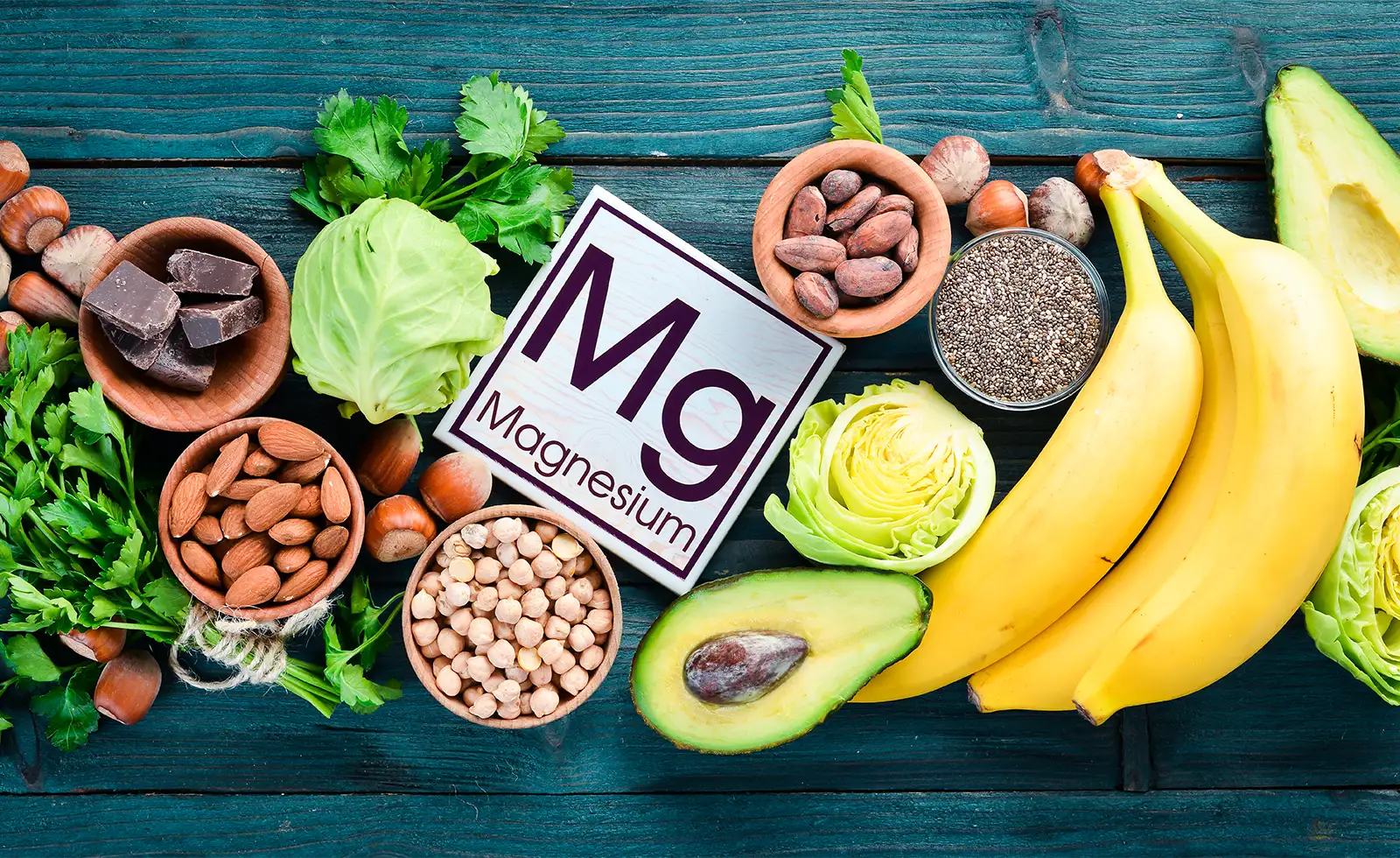
The electrical system depends on precise levels of magnesium, potassium, calcium, and sodium — even mild imbalances cause instability. Magnesium deficiency is especially common and underdiagnosed (serum tests don’t reflect total stores), increasing premature beats, SVT, AFib, and ventricular arrhythmias.
Inflammation & Oxidative Stress
Chronic inflammation alters ion-channel function, promotes fibrosis within the atria and ventricles, and creates the electrical substrate for arrhythmias — a major mechanism behind AFib. Oxidative stress compounds it by damaging the membranes and ion channels essential for normal conduction.
Hormonal Influences
Thyroid hormones have a direct, powerful effect — even subclinical dysfunction raises susceptibility. Cortisol sensitizes the heart to catecholamines. Estrogen and progesterone shifts across the cycle, perimenopause, and menopause trigger or worsen palpitations — a connection frequently overlooked in standard evaluations.
Metabolic Dysfunction & Insulin Resistance
Insulin resistance and metabolic syndrome favor arrhythmias through multiple pathways — elevated insulin activates the sympathetic system, increases inflammation, and contributes to left atrial enlargement (a key structural risk factor for AFib). Visceral obesity independently raises risk.
Sleep Apnea
One of the most potent and underrecognized triggers. Repeated oxygen deprivation and arousal cause sympathetic surges, pressure swings, oxidative stress, and inflammation that destabilize rhythm — strongly linked to AFib, with much higher recurrence after ablation when untreated. Screen any patient with recurrent or resistant arrhythmias.
Additional triggers & contributors
- Structural heart disease: prior heart attacks leave scar tissue that can drive dangerous ventricular arrhythmias; cardiomyopathy alters electrical properties; valvular disease (especially mitral) causes atrial enlargement that promotes AFib. Echocardiography is an important part of the workup.
- Stimulants & substances: excessive caffeine or alcohol, stimulant medications (some cold medicines, ADHD drugs), recreational substances, and dehydration.
- Toxins & deficiencies: heavy-metal toxicity, mold exposure, and deficiencies in B vitamins and CoQ10.
- Genetic ion-channel conditions: Long QT syndrome, Brugada syndrome, or Wolff-Parkinson-White syndrome.
Symptoms of arrhythmias
Symptoms vary widely depending on the type, duration, and heart rate involved. Common symptoms include:
- A sensation of the heart skipping beats, fluttering, pounding, or racing (palpitations)
- Dizziness or lightheadedness; a feeling of faintness or actual fainting (syncope)
- Chest discomfort or pressure; shortness of breath
- Fatigue or exercise intolerance
- Anxiety or a sense of impending doom during episodes
Some arrhythmias produce no symptoms at all and are found only through monitoring — particularly AFib, which can be intermittent and undetected while still carrying stroke risk. Others produce symptoms disproportionate to the arrhythmia itself, because the autonomic nervous system amplifies the body’s response to even minor rhythm changes.
Living with palpitations & rhythm disturbances
Arrhythmias occupy a unique space in cardiac health because they’re felt so viscerally. Unlike high cholesterol or blood pressure, which progress silently, an arrhythmia announces itself — and the instinctive fear that something is terribly wrong can be overwhelming. For some patients, this fear becomes as debilitating as the arrhythmia itself.
It’s also deeply frustrating to be told your palpitations are “benign” and to “just relax” when you can feel something abnormal in your chest. Being reassured is important, but it’s not the same as being heard. We take arrhythmia symptoms seriously regardless of severity — we investigate what’s driving them, explain what we find in clear terms, and address both the rhythm disturbance and the anxiety that often accompanies it. Many patients find that once they understand why the arrhythmia is occurring, much of the fear dissipates.
Both an electrical and a systemic issue.
We use the full spectrum of cardiac diagnostics to characterize the arrhythmia itself, then dig deeper to understand the metabolic, inflammatory, hormonal, and neurological factors that may be driving or worsening it.
Not just what, but why.
- ECG & extended monitoring (Holter or event recorder) to capture and characterize the rhythm.
- Echocardiography — heart structure, valves, chamber sizes, muscle function.
- Autonomic assessment — heart rate variability and sympathetic/parasympathetic balance.
- Electrolytes & minerals — magnesium (intracellular when possible), potassium, calcium.
- Thyroid panel — TSH, free T3/T4, and antibodies; hormonal status when indicated.
- Inflammatory markers and metabolic health (insulin resistance, body composition).
- Sleep apnea screening for those with risk factors or resistant arrhythmias.
Root causes alongside conventional tools.
- Correct electrolyte & mineral deficiencies — magnesium, potassium, CoQ10.
- Autonomic regulation — breathwork, HRV biofeedback, vagal maneuvers, structured stress management.
- Address hormonal imbalances — thyroid optimization and menopausal support.
- Anti-inflammatory strategies and sleep / sleep-apnea optimization.
- Metabolic support and targeted supplementation (omega-3, taurine, hawthorn where appropriate).
- Antiarrhythmic therapy, rate/rhythm control, and anticoagulation when indicated — and coordination with electrophysiology for ablation, cardioversion, or devices.
Address the source, and the rhythm often settles.
Arrhythmia management often requires ongoing monitoring to assess treatment response, detect recurrence, and adjust the plan as your health evolves — periodic ECG monitoring, repeat biomarker testing, and clinical assessments. As root causes are addressed and metabolic health improves, many patients see a meaningful reduction in arrhythmia frequency and severity, and some are able to reduce or discontinue antiarrhythmic medications under careful supervision.
For arrhythmias that require procedural intervention — catheter ablation, cardioversion, or device implantation — we coordinate with electrophysiology specialists and continue integrative management of the underlying factors to reduce recurrence risk and support long-term outcomes.
Heart rhythm, answered.
01 I feel my heart skip beats sometimes. Should I be worried? +
02 Can stress really cause arrhythmias? +
03 My doctor told me my palpitations are benign and to ignore them. Why do I still feel terrible? +
04 Can menopause cause heart palpitations? +
05 What supplements help with arrhythmias? +
06 How is your approach to arrhythmias different from a standard cardiologist? +
Feel confident in your heart’s rhythm again.
If you’re experiencing palpitations, have been diagnosed with an arrhythmia, or are looking for a more comprehensive approach to understanding your heart rhythm, we’re here to help. Our evaluation goes beyond standard cardiac monitoring to uncover the full picture of what’s driving your rhythm disturbance — and what can be done about it.
Free, no-obligation discovery call. · Call or text 877-511-5166
Speak with a Human →
EVIDENCE
Sources & Citations
+
Guidelines & Arrhythmia Types
- Al-Khatib SM, Stevenson WG, Ackerman MJ, et al. 2017 AHA/ACC/HRS Guideline for Management of Patients With Ventricular Arrhythmias and the Prevention of Sudden Cardiac Death. J Am Coll Cardiol. 2018;72(14):e91–e220.
- Page RL, Joglar JA, Caldwell MA, et al. 2015 ACC/AHA/HRS Guideline for the Management of Adult Patients With Supraventricular Tachycardia. J Am Coll Cardiol. 2016;67(13):e27–e115.
- Peng G, Zei PC. Diagnosis and Management of Paroxysmal Supraventricular Tachycardia. JAMA. 2024;331(7):601–610.
- Klewer J, Springer J, Morshedzadeh J. Premature Ventricular Contractions (PVCs): A Narrative Review. Am J Med. 2022;135(11):1300–1305.
- Shoureshi P, Tan AY, Koneru J, et al. Arrhythmia-Induced Cardiomyopathy: JACC State-of-the-Art Review. J Am Coll Cardiol. 2024;83(22):2214–2232.
- Sandau KE, Funk M, Auerbach A, et al. Update to Practice Standards for Electrocardiographic Monitoring in Hospital Settings: AHA Statement. Circulation. 2017;136(19):e273–e344.
Atrial Fibrillation & Inflammation
- Writing Committee Members, Joglar JA, Chung MK, et al. 2023 ACC/AHA/ACCP/HRS Guideline for the Diagnosis and Management of Atrial Fibrillation. J Am Coll Cardiol. 2024;83(1):109–279.
- Michaud GF, Stevenson WG. Atrial Fibrillation. N Engl J Med. 2021;384(4):353–361.
- Ajoolabady A, Nattel S, Lip GYH, Ren J. Inflammasome Signaling in Atrial Fibrillation: JACC State-of-the-Art Review. J Am Coll Cardiol. 2022;79(23):2349–2366.
- Ninni S, Dombrowicz D, de Winther M, et al. Genetic Factors Altering Immune Responses in Atrial Fibrillation: JACC Review Topic of the Week. J Am Coll Cardiol. 2024;83(12):1163–1176.
- Chao TF, Wang KL, Liu CJ, et al. Age Threshold for Increased Stroke Risk Among Patients With Atrial Fibrillation. J Am Coll Cardiol. 2015;66(12):1339–1347.
Autonomic, Electrolytes & Hormones
- Shen MJ, Zipes DP. Role of the Autonomic Nervous System in Modulating Cardiac Arrhythmias. Circ Res. 2014;114(6):1004–1021.
- Goldberger JJ, Arora R, Buckley U, Shivkumar K. Autonomic Nervous System Dysfunction: JACC Focus Seminar. J Am Coll Cardiol. 2019;73(10):1189–1206.
- Manolis AA, Manolis TA, Apostolopoulos EJ, et al. The Role of the Autonomic Nervous System in Cardiac Arrhythmias: The Neuro-Cardiac Axis. Trends Cardiovasc Med. 2021;31(5):290–302.
- Touyz RM, de Baaij JHF, Hoenderop JGJ. Magnesium Disorders. N Engl J Med. 2024;390(21):1998–2009.
- Floriani C, Gencer B, Collet TH, Rodondi N. Subclinical Thyroid Dysfunction and Cardiovascular Diseases: 2016 Update. Eur Heart J. 2018;39(7):503–507.
- Carpenter JS, Cortés YI, Tisdale JE, et al. Palpitations Across the Menopause Transition in SWAN. Menopause. 2023;30(1):18–27.
- Liu J, Jin X, Chen W, et al. Early Menopause Is Associated With Increased Risk of Heart Failure and Atrial Fibrillation. Maturitas. 2023;176:107784.
Metabolic Drivers & Sleep Apnea
- Mechanick JI, Farkouh ME, Newman JD, Garvey WT. Cardiometabolic-Based Chronic Disease, Adiposity and Dysglycemia Drivers: JACC State-of-the-Art Review. J Am Coll Cardiol. 2020;75(5):525–538.
- Wang A, Green JB, Halperin JL, Piccini JP. Atrial Fibrillation and Diabetes Mellitus: JACC Review Topic of the Week. J Am Coll Cardiol. 2019;74(8):1107–1115.
- Yeghiazarians Y, Jneid H, Tietjens JR, et al. Obstructive Sleep Apnea and Cardiovascular Disease: A Scientific Statement From the AHA. Circulation. 2021;144(3):e56–e67.
- Javaheri S, Javaheri S, Somers VK, et al. Interactions of Obstructive Sleep Apnea With the Pathophysiology of Cardiovascular Disease, Part 1: JACC State-of-the-Art Review. J Am Coll Cardiol. 2024;84(13):1208–1223.
- Cowie MR, Linz D, Redline S, Somers VK, Simonds AK. Sleep Disordered Breathing and Cardiovascular Disease: JACC State-of-the-Art Review. J Am Coll Cardiol. 2021;78(6):608–624.
- Bozkurt B, Colvin M, Cook J, et al. Current Diagnostic and Treatment Strategies for Specific Dilated Cardiomyopathies: AHA Statement. Circulation. 2016;134(23):e579–e646.
Learn More
Guides
Articles
-

Magnesium and Heart Health: The Most Overlooked Mineral in Cardiology
ArrhythmiasHeart Attack PreventionHeart DiseaseHypertension Magnesium and heart health have a relationship far more consequential than standard medical practice reflects. Magnesium…
-

How Genetics Affects Cardiovascular Health: What Your Family History Really Means
ArrhythmiasCoronary Artery DiseaseHeart Attack PreventionHeart DiseaseHigh Cholesterol & Lp(a) Genetics affects cardiovascular health in ways that range from absolute (some…
-

Sleep Apnea and Heart Disease: What Every Cardiac Patient Needs to Know
ArrhythmiasAtrial FibrillationHeart Attack PreventionHeart DiseaseHypertension Obstructive sleep apnea (OSA) is a condition in which the upper airway repeatedly collapses during…