Magnesium and Heart Health: The Most Overlooked Mineral in Cardiology

Magnesium and heart health have a relationship far more consequential than standard medical practice reflects. Magnesium is required for over 300 enzymatic reactions in the body — including every step of ATP synthesis, cardiac electrical conduction, and vascular smooth muscle relaxation. Deficiency is extraordinarily common, affects over half the US population by some estimates, and is directly implicated in hypertension, arrhythmia, coronary artery spasm, heart failure, and sudden cardiac death. Yet serum magnesium — the standard clinical test — is a poor surrogate for what actually matters: intracellular magnesium levels.
Meta-analyses of randomized trials confirm supplemental magnesium reduces systolic blood pressure by 3–5 mmHg and diastolic by 2–4 mmHg in hypertensive individuals — larger effects in those who…
Serum magnesium represents less than 1% of total body magnesium — the rest is intracellular or in bone.
Magnesium oxide — the most common and cheapest form — has approximately 4% bioavailability and causes significant GI distress at therapeutic doses.
Why Magnesium Matters for Heart Health
Cardiac Electrical Stability
Magnesium is a natural calcium channel blocker at the cellular level. It competes with calcium for entry through voltage-gated calcium channels, stabilizing the cardiac action potential and preventing excessive electrical activity. Low intracellular magnesium lowers the threshold for ectopic beats, arrhythmias, and — in severe deficiency — ventricular fibrillation. The most common presentations of magnesium deficiency in cardiology are: frequent PVCs and PACs (the “skipped beats” sensation), refractory hypokalemia (potassium cannot be retained without adequate magnesium), and treatment-resistant atrial fibrillation.
Blood Pressure Regulation
Magnesium relaxes vascular smooth muscle through calcium channel blockade and endothelial nitric oxide production stimulation. Meta-analyses of randomized trials confirm supplemental magnesium reduces systolic blood pressure by 3–5 mmHg and diastolic by 2–4 mmHg in hypertensive individuals — larger effects in those who are more deficient. Magnesium depletion from diuretic therapy is one of the most common and overlooked drivers of treatment-resistant hypertension.
Insulin Sensitivity and Metabolic Health
Magnesium is required for insulin receptor signaling and glucose transporter function. Deficiency impairs insulin sensitivity independently of other metabolic factors — and is both a consequence of and contributor to insulin resistance (insulin resistance increases urinary magnesium excretion, worsening deficiency). Magnesium supplementation improves insulin sensitivity in deficient individuals and is a standard component of metabolic syndrome management in integrative cardiology.
Arterial Calcification Prevention
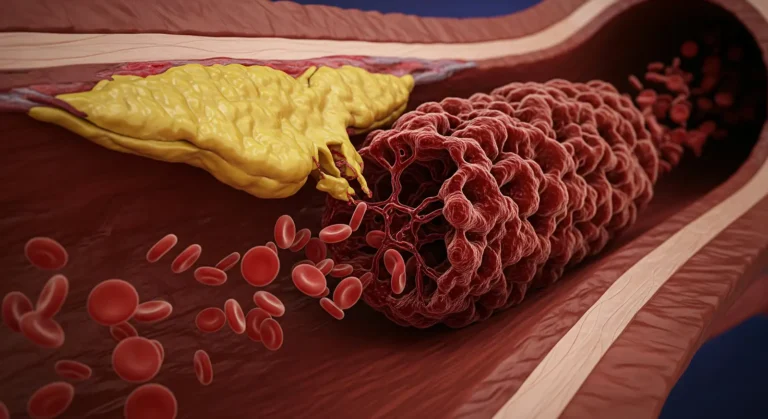
Magnesium inhibits vascular smooth muscle calcification by competing with calcium for deposition in arterial walls. Low magnesium status is associated with accelerated coronary artery calcification — measurable by CAC scoring — independent of traditional risk factors. This mechanism parallels that of vitamin K2 (which activates the protein that removes calcium from soft tissues) and the two are often combined in integrative cardiovascular protocols targeting arterial calcification.
Why Serum Magnesium Misses Deficiency
Serum magnesium represents less than 1% of total body magnesium — the rest is intracellular or in bone. The body tightly regulates serum magnesium within a narrow range by pulling from intracellular stores, meaning serum levels can appear normal until intracellular depletion is severe. RBC magnesium (measuring magnesium inside red blood cells) is approximately 10 times more sensitive for identifying true intracellular deficiency. At Holistic Heart Centers, RBC magnesium is the standard assessment — not serum magnesium.
Magnesium Supplementation: Forms and Dosing
Not all magnesium supplements are equally bioavailable or well-tolerated. Magnesium oxide — the most common and cheapest form — has approximately 4% bioavailability and causes significant GI distress at therapeutic doses. Superior forms for cardiovascular indications: magnesium glycinate (200–400 mg daily, excellent bioavailability, minimal GI side effects, preferred for arrhythmia and anxiety indications), magnesium taurate (has specific affinity for cardiac and nervous system tissue — preferred for cardiac electrical stability), magnesium malate (preferred for fatigue and muscle-related indications). Standard cardiovascular dose: 200–400 mg daily of elemental magnesium from glycinate or taurate. Allow 4–8 weeks for intracellular levels to normalize and clinical effects to emerge.
When to See a Doctor About Magnesium
Seek medical evaluation before supplementing if you have kidney disease (impaired magnesium excretion creates toxicity risk), are on diuretics (which significantly deplete magnesium and often require supervised repletion), or have known cardiac arrhythmia. Magnesium supplementation is safe for most patients at standard doses, but kidney disease is an absolute contraindication to unsupervised supplementation. For patients with frequent arrhythmias, RBC magnesium testing before and after supplementation is the appropriate way to confirm adequacy.
Experiencing palpitations, muscle cramps, or treatment-resistant hypertension
RBC magnesium testing is part of the Step 1 Explore workup at Holistic Heart Centers.
Schedule a free strategy call →References
- Rosique-Esteban N, et al. Dietary Magnesium and Cardiovascular Disease. Nutrients. 2018;10(2):168.
- Guo P, et al. Association of Magnesium Deficiency with Arrhythmia. Am J Cardiol. 2020.
More Articles on Heart Disease
-
Can Diet Reverse Heart Disease?
Read more →: Can Diet Reverse Heart Disease?Heart Disease Diet can contribute to reversing heart disease, particularly when it addresses the root causes of atherosclerosis like inflammation, insulin resistance, and oxidative stress. Clinical trials have demonstrated measurable plaque regression with intensive dietary intervention. However, diet alone may not be sufficient for everyone, especially those with advanced disease, genetic risk factors, or significant…
-
What Causes Heart Disease?
Read more →: What Causes Heart Disease?Heart Disease Heart disease is caused by damage to the blood vessels and heart muscle that accumulates over time. While cholesterol often receives the most attention, the actual disease process is driven by a combination of chronic inflammation, metabolic dysfunction, oxidative stress, and arterial damage. These factors interact to create atherosclerosis, the buildup of plaque…
-
Why Is Heart Disease The Leading Cause Of Death?
Read more →: Why Is Heart Disease The Leading Cause Of Death?Heart Disease Heart disease remains the leading cause of death worldwide because it develops silently over decades, is driven by common modern lifestyle factors, and is often detected too late requiring invasive intervention. The cardiovascular system is uniquely vulnerable to the cumulative effects of inflammation, metabolic dysfunction, and arterial damage. Unlike many other diseases, heart…
See all Heart Disease articles → | Back to Heart Health Blog