What To Eat For A Healthy Heart
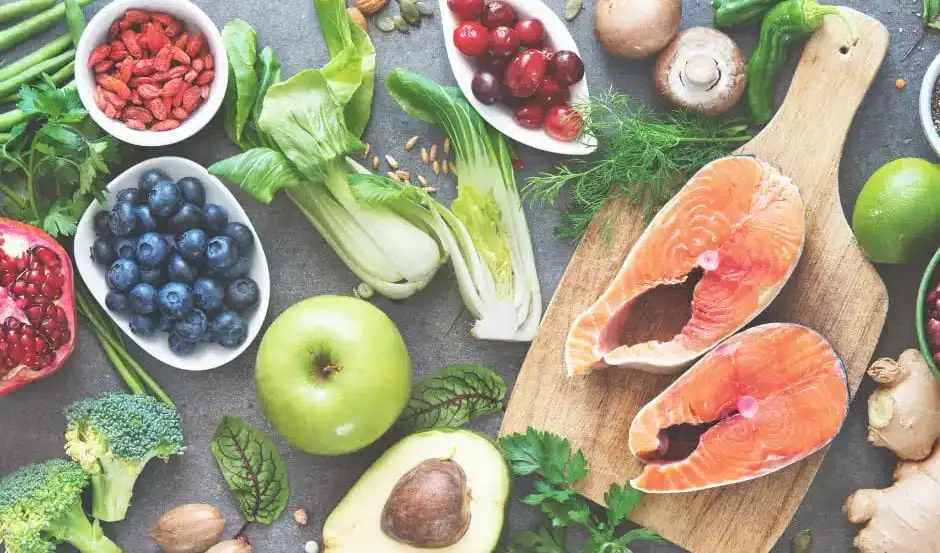
- Control Portion Size – If you eat using a small bowl or dish, and increase your nutrient-rich foods, you can control portion size. The amount of food to eat is dependent on the type of food. For example, one serving of pasta is the only ⅓ of a cup. A serving of meat such as beef or fish is about 2 to 3 ounces. Our dietician can answer all of your questions on specific foods to eat a lot of versus particular foods to eat less of while mapping out the portion sizes that are best for your needs.
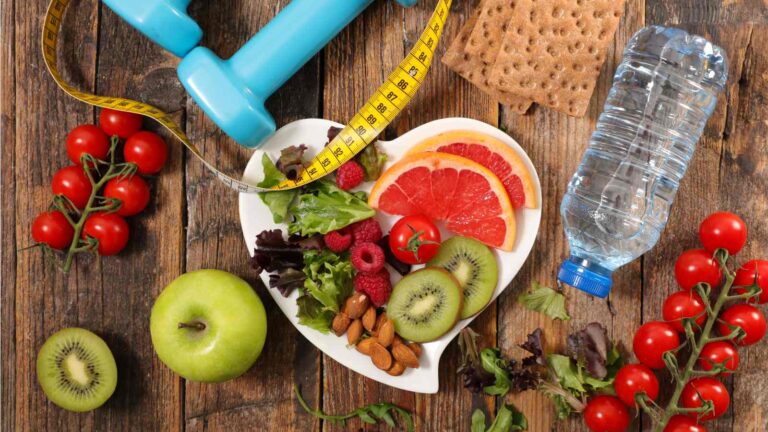
- Eat more fruits and vegetables – Fruits mixed into salads, or vegetables mixed into stir-fry can offer a lot of nutritional value. You can choose low sodium canned vegetables or canned fruits with low sugar to make it easy, but fresh fruits and vegetables are best. Limit coconut, heavy fruit syrup, and fried or breaded vegetables. Fruits and vegetables play a crucial role in adding nutrients and fiber into your diet.
- Select Whole Grains – Whole grains provide a great additional amount of fiber and are an excellent substitute for refined grains. Buckwheat, whole-wheat flour, high-fiber cereal, whole-grain pasta, and oatmeal are great options. Try to limit grain from foods that add a lot of calories such as waffles, muffins, biscuits, cakes, pies, and noodles.
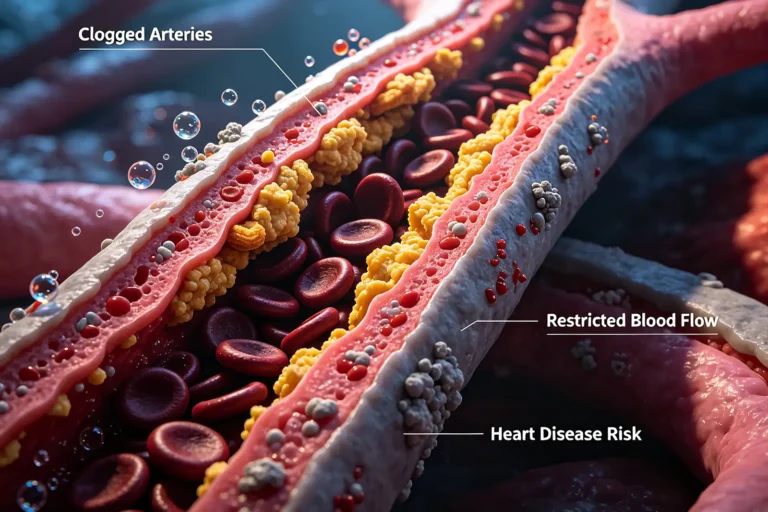
- Limit Unhealthy Fats – You can limit your cholesterol by limiting the amount of saturated and trans fats you eat. A high cholesterol level can lead to the buildup of plaque and atherosclerosis. Saturated fats should include no more than 5-6% of your daily calorie count. Avoid high amounts of butter and margarine when cooking. Try to avoid foods with trans fats entirely. A great way to add healthy fat into your diet is adding foods rich in omega-3-fatty acids and adding flaxseeds to your yogurt, applesauce, or oatmeal.
- Choose low-fat protein sources – Think lean meat when it comes to eating poultry and fish. Salmon and mackerel are fish that are rich in omega-3-fatty acids, which is good for you, but try to avoid eating the skin. Try to substitute legumes like beans, peas, and lentils for meats high in fat such as a beef burger. You will want to use low-fat dairy products as well. By visiting our holistic integrative cardiologist, we can help you learn to decipher the difference between low-fat protein and high-fat protein.
- Reduce sodium – All adults should have no more than 2,300 mg of sodium per day. Eating processed foods is a great way to avoid excessive salt. Be wary of the beneficial promotions of certain foods – sea salt has the same nutritional value as regular salt. Restaurant meals and condiments such as ketchup, mayonnaise, and soy salt has a lot of added sodium.
- Plan ahead – Creating daily menus for yourself is a great way to plan for eating right. This is an excellent way to prevent slip-ups from occurring. Our holistic integrative cardiologist works hard towards maximizing the resources available for each of our patients to succeed.
- Allow for an occasional treat – If you incorporate these tips into your everyday life, you will find success in a heart-healthy diet. You will see that it is okay to have an occasional treat and that good habits go a long way.
More Articles on Heart Disease
-
Can Diet Reverse Heart Disease?
Read more →: Can Diet Reverse Heart Disease?Heart Disease Diet can contribute to reversing heart disease, particularly when it addresses the root causes of atherosclerosis like inflammation, insulin resistance, and oxidative stress. Clinical trials have demonstrated measurable plaque regression with intensive dietary intervention. However, diet alone may not be sufficient for everyone, especially those with advanced disease, genetic risk factors, or significant…
-
What Causes Heart Disease?
Read more →: What Causes Heart Disease?Heart Disease Heart disease is caused by damage to the blood vessels and heart muscle that accumulates over time. While cholesterol often receives the most attention, the actual disease process is driven by a combination of chronic inflammation, metabolic dysfunction, oxidative stress, and arterial damage. These factors interact to create atherosclerosis, the buildup of plaque…
-
Why Is Heart Disease The Leading Cause Of Death?
Read more →: Why Is Heart Disease The Leading Cause Of Death?Heart Disease Heart disease remains the leading cause of death worldwide because it develops silently over decades, is driven by common modern lifestyle factors, and is often detected too late requiring invasive intervention. The cardiovascular system is uniquely vulnerable to the cumulative effects of inflammation, metabolic dysfunction, and arterial damage. Unlike many other diseases, heart…
See all Heart Disease articles → | Back to Heart Health Blog