Most strokes are preventable.
Stroke is a leading cause of disability and death — yet up to 80% of strokes are preventable. We identify the hidden risk factors that make strokes more likely and build a comprehensive plan to protect your brain. The same factors that drive heart disease drive stroke, so a cardiovascular approach guards your entire vascular system.

Every year, nearly 800,000 Americans experience a stroke. For many, it happens without warning — one moment they’re going about their day, the next they’re facing paralysis, speech difficulties, or cognitive impairment that may never fully resolve.
Stroke is often called a “brain attack” because it shares many mechanisms with heart attacks: blood flow is suddenly interrupted, and tissue begins to die within minutes. But here’s what gives us hope: the same factors that drive heart disease also drive stroke, which means a comprehensive cardiovascular approach protects both your heart and your brain. When we address inflammation, metabolic dysfunction, and blood pressure, we’re building a shield that guards your entire vascular system.
What is a stroke?
A stroke occurs when blood flow to part of the brain is interrupted, depriving brain cells of oxygen and nutrients. Within minutes, affected tissue begins to die. The type and severity of symptoms depend on which area of the brain is affected and how quickly blood flow is restored. There are three patterns to know:
- Ischemic stroke (~87% of all strokes) — a blood clot blocks an artery supplying the brain. The clot may form locally in a narrowed brain artery, or travel from elsewhere, most commonly the heart or the carotid arteries in the neck.
- Hemorrhagic stroke — a blood vessel in the brain ruptures, causing bleeding into or around brain tissue. Less common, but often more severe with higher mortality.
- Transient ischemic attack (TIA) — a “mini-stroke” where blood flow is temporarily blocked. Symptoms resolve within minutes to hours, but it’s a serious warning: about 1 in 3 people who have a TIA eventually have a full stroke — nearly half within the first 48 hours.
When a stroke strikes, act FAST.
Every minute matters — the faster treatment begins, the more brain tissue can be saved. Learn the four signs that mean call 911 immediately.
Does one side of the face droop?
Ask the person to smile and look for asymmetry or numbness on one side.
Is one arm weak or numb?
Ask the person to raise both arms. Does one drift downward?
Is speech slurred or strange?
Can the person repeat a simple sentence correctly?
Call emergency services now.
If you observe any of these signs, call 911 immediately and note the time symptoms began.
Other warning signs: sudden confusion or trouble understanding speech; sudden vision problems in one or both eyes; sudden severe headache with no known cause; sudden dizziness, loss of balance, or difficulty walking; sudden numbness, especially on one side. Never ignore these symptoms, even if they resolve quickly — a TIA requires urgent evaluation.
Stroke risk overlaps heavily with heart disease.
Understanding and addressing these factors is the foundation of prevention — and most of them are modifiable. This is where comprehensive, root-cause cardiovascular care protects your brain.
High Blood Pressure
The single most important modifiable risk factor for stroke. Elevated pressure damages artery walls, promotes plaque, and increases the likelihood of both clots and hemorrhages. Controlling blood pressure can reduce stroke risk by 35–40%.
Atrial Fibrillation
An irregular rhythm that lets blood pool in the heart’s upper chambers, where clots form — clots that can travel to the brain and cause devastating strokes. People with AFib have roughly a five-fold increased stroke risk. AFib is often silent.
Carotid Artery Disease
The carotid arteries in your neck supply blood to your brain. When plaque builds up there, it can restrict flow or break off and travel to the brain. Carotid disease is often completely silent until a stroke or TIA occurs — which is why we image it.
Metabolic & Inflammatory Factors
Diabetes and insulin resistance accelerate atherosclerosis throughout the body, including brain-supplying arteries. Chronic inflammation destabilizes plaque and promotes clotting. Elevated LDL and Lp(a) build plaque; elevated homocysteine damages vessel linings.
High Cholesterol & Lp(a)
Elevated LDL — and particularly the genetic particle Lp(a) — contributes to plaque buildup in the arteries that supply the brain. Standard panels miss particle characteristics and never measure Lp(a), so advanced lipid testing is essential for a true picture.
Sleep Apnea
Repeated oxygen drops and blood pressure spikes during sleep place enormous stress on the cardiovascular system, raising stroke risk — and it’s frequently undiagnosed. Screening and treating it is one of the higher-yield, often-overlooked prevention steps.
Additional contributing factors
- Lifestyle: smoking doubles stroke risk; obesity and physical inactivity raise it through blood pressure, blood sugar, and inflammation; excessive alcohol raises pressure and can trigger AFib.
- Age & family history: risk increases significantly after 55, and a close relative who had a stroke raises your risk — usually by passing on modifiable risk factors.
- Prior stroke or TIA: significantly increases the likelihood of future strokes — which makes aggressive secondary prevention essential.
- Sex: women have a higher lifetime stroke risk than men, partly due to longer life expectancy and pregnancy-related factors.
The stakes are high
Stroke is uniquely terrifying because of what it threatens to take away. Unlike conditions where you might lose physical function, stroke can fundamentally change who you are — stealing your ability to communicate with loved ones, robbing you of independence, or erasing memories you’ve spent a lifetime building. If you’ve watched a family member recover from a stroke, you know how devastating the aftermath can be.
But this fear can be channeled into action. When you understand your specific risk factors and address them systematically, you’re not helpless against stroke — you’re actively protecting your brain and your future.
Protecting your heart protects your brain
One of the most important things to understand about stroke prevention is that it’s inseparable from heart health. The same processes that clog coronary arteries affect the arteries supplying your brain. The same inflammation that destabilizes cardiac plaque destabilizes cerebral plaque. The same metabolic dysfunction that leads to heart attacks leads to strokes.
This is why our comprehensive cardiovascular approach is so powerful. When we address root causes like inflammation, insulin resistance, and oxidative stress, we’re protecting your entire vascular system — your heart and brain benefit together. And if you’ve already had a heart attack or been diagnosed with coronary artery disease, stroke prevention becomes even more critical: the same disease process is likely affecting your brain-supplying arteries.
Identify every significant risk factor.
We take a comprehensive approach that addresses each significant risk factor — finding the hidden ones that standard screening misses, then building a personalized plan to protect your brain for years to come.
Find what standard screening misses.
- Advanced blood pressure evaluation — home-based monitoring and arterial stiffness measurement.
- Cardiac rhythm assessment — extended ECG monitoring to catch intermittent AFib.
- Carotid artery imaging — ultrasound and CIMT to evaluate brain-supplying arteries.
- Advanced lipid testing — particle analysis and Lp(a).
- Inflammatory markers — hsCRP, homocysteine, and vascular inflammation.
- Metabolic assessment — fasting insulin, glucose, and insulin-resistance markers.
- Coagulation studies when indicated, to assess clotting tendency.
A strategy built around your risk profile.
- Blood pressure optimization — addressing root causes (insulin resistance, sleep apnea, stress), with medication used strategically.
- AFib management — appropriate anticoagulation and rhythm-control strategies when present.
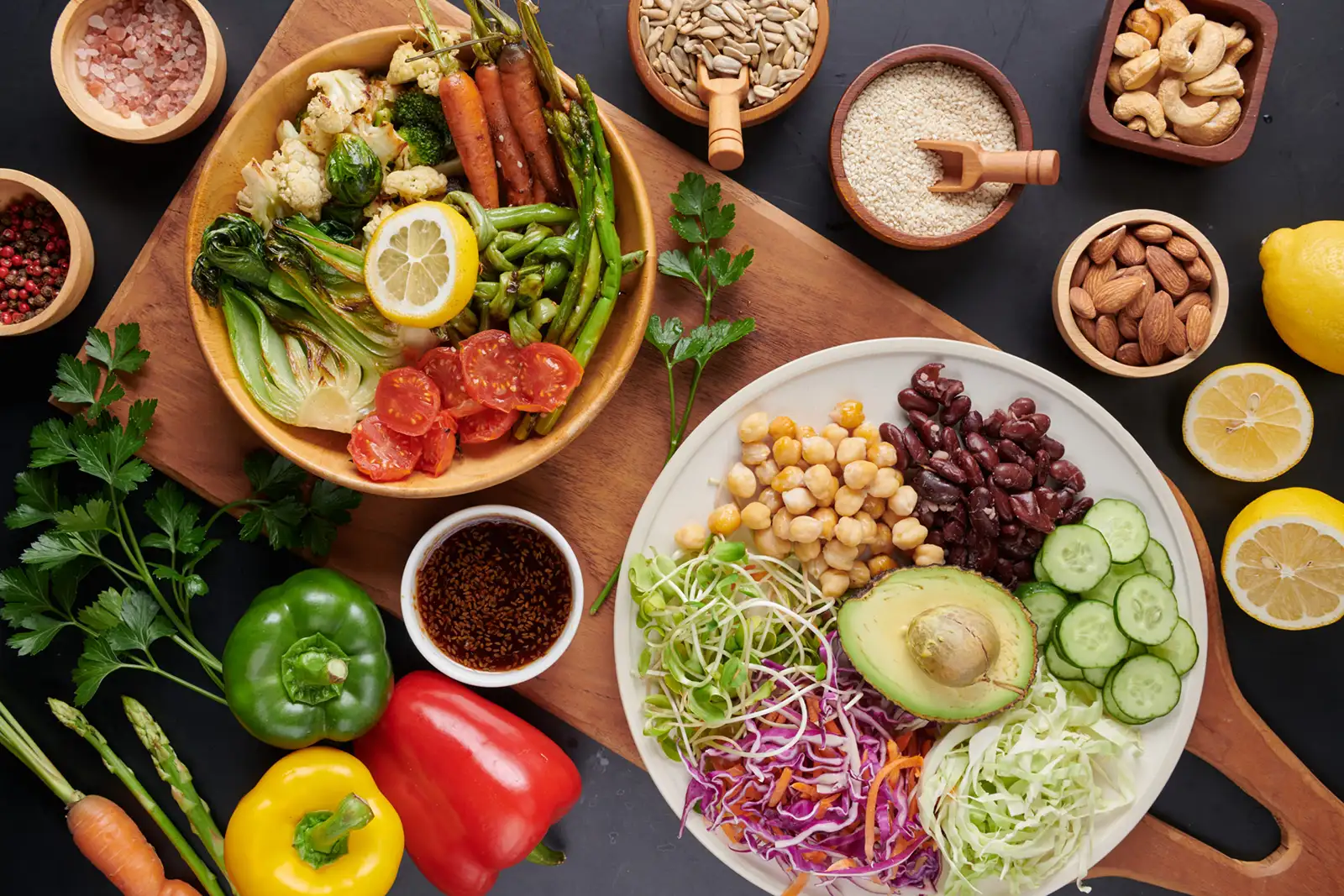
- Anti-inflammatory nutrition — Mediterranean-style eating proven to reduce stroke risk.
- Targeted supplementation — omega-3s, magnesium, and B vitamins for homocysteine.
- Metabolic optimization and aggressive sleep apnea treatment.
- Lifestyle optimization — exercise prescription, stress management, smoking cessation.
Prevention is an ongoing process.
Stroke prevention isn’t something to put off until tomorrow — the disease processes that lead to stroke are happening right now, silently and progressively. The sooner you identify and address your risk factors, the more brain tissue you’ll protect. We monitor your progress with regular follow-up testing, adjust interventions based on your response, and stay vigilant for new risk factors that emerge over time.
This is the power of a unified, root-cause approach: by protecting your arteries, lowering inflammation, and supporting the body’s repair systems, you reduce risk across your entire vascular system — heart and brain together.
Stroke prevention, answered.
01 I had a TIA but recovered completely. Do I still need to worry? +
02 My blood pressure is well controlled on medication. Am I protected? +
03 How do I know if I have atrial fibrillation? +
04 Can aspirin prevent strokes? +
05 Are strokes hereditary? +
Your brain is irreplaceable. The time to protect it is now.
Stroke prevention isn’t something to put off. The disease processes that lead to stroke are happening right now — silently and progressively. Schedule a free Heart Health Strategy Session to discuss your stroke risk and learn how our comprehensive approach can protect you. We’ll review your history, discuss your concerns, and help you understand whether our precision prevention strategy is right for you.
Free, no-obligation strategy session. · Call or text 877-511-5166
Speak with a Human →
EVIDENCE
Sources & Citations
+
Incidence, Types & Prevention Guidelines
- George MG, Fischer L, Koroshetz W, et al. CDC Grand Rounds: Public Health Strategies to Prevent and Treat Strokes. MMWR Morb Mortal Wkly Rep. 2017;66(18):479–481.
- Lackland DT, Elkind MS, D’Agostino R, et al. Inclusion of Stroke in Cardiovascular Risk Prediction Instruments: AHA/ASA Statement. Stroke. 2012;43(7):1998–2027.
- Renedo D, Acosta JN, Leasure AC, et al. Burden of Ischemic and Hemorrhagic Stroke Across the US From 1990 to 2019. JAMA Neurol. 2024;81(4):394–404.
- Bushnell C, Kernan WN, Sharrief AZ, et al. 2024 Guideline for the Primary Prevention of Stroke: AHA/ASA. Stroke. 2024;55(12):e344–e424.
- Kleindorfer DO, Towfighi A, Chaturvedi S, et al. 2021 Guideline for the Prevention of Stroke in Patients With Stroke and TIA: AHA/ASA. Stroke. 2021;52(7):e364–e467.
- Hilkens NA, Casolla B, Leung TW, de Leeuw FE. Stroke. Lancet. 2024;403(10446):2820–2836.
- Razavi AC, Troy AL, Patel J, et al. Future of Stroke Prevention: 7 Updates in the 2024 AHA/ASA Primary Prevention of Stroke Guideline. JACC Adv. 2025;4(6 Pt 2):101724.
TIA & Early Risk
- Amin HP, Madsen TE, Bravata DM, et al. Diagnosis, Workup, Risk Reduction of TIA in the Emergency Department: AHA Statement. Stroke. 2023;54(3):e109–e121.
- Khan F, Yogendrakumar V, Lun R, et al. Long-Term Risk of Stroke After TIA or Minor Stroke: A Systematic Review and Meta-Analysis. JAMA. 2025;333(17):1508–1519.
- Amarenco P, Lavallée PC, Labreuche J, et al. One-Year Risk of Stroke After TIA or Minor Stroke. N Engl J Med. 2016;374(16):1533–1542.
- Amarenco P. Transient Ischemic Attack. N Engl J Med. 2020;382(20):1933–1941.
- Mendelson SJ, Prabhakaran S. Diagnosis and Management of TIA and Acute Ischemic Stroke: A Review. JAMA. 2021;325(11):1088–1098.
Blood Pressure & Atrial Fibrillation
- Diener HC, Hankey GJ. Primary and Secondary Prevention of Ischemic Stroke and Cerebral Hemorrhage: JACC Focus Seminar. J Am Coll Cardiol. 2020;75(15):1804–1818.
- Hsu CY, Saver JL, Ovbiagele B, et al. Association Between Magnitude of Differential Blood Pressure Reduction and Secondary Stroke Prevention. JAMA Neurol. 2023;80(5):506–515.
- Kitagawa K, Yamamoto Y, Arima H, et al. Effect of Standard vs Intensive Blood Pressure Control on Recurrent Stroke. JAMA Neurol. 2019;76(11):1309–1318.
- Ko D, Chung MK, Evans PT, Benjamin EJ, Helm RH. Atrial Fibrillation: A Review. JAMA. 2025;333(4):329–342.
- Chao TF, Wang KL, Liu CJ, et al. Age Threshold for Increased Stroke Risk Among Patients With Atrial Fibrillation. J Am Coll Cardiol. 2015;66(12):1339–1347.
- van Walraven C, Hart RG, Singer DE, et al. Oral Anticoagulants vs Aspirin in Nonvalvular Atrial Fibrillation. JAMA. 2002;288(19):2441–2448.
Carotid Disease, Diet & Sleep
- Howard DPJ, Gaziano L, Rothwell PM. Risk of Stroke in Relation to Degree of Asymptomatic Carotid Stenosis. Lancet Neurol. 2021;20(3):193–202.
- Parish S, Arnold M, Clarke R, et al. Carotid Atherosclerosis and Ischemic Stroke Subtypes. JAMA Netw Open. 2019;2(5):e194873.
- Chen GC, Neelakantan N, Martín-Calvo N, et al. Adherence to the Mediterranean Diet and Risk of Stroke and Stroke Subtypes. Eur J Epidemiol. 2019;34(4):337–349.
- Gottesman RF, Lutsey PL, Benveniste H, et al. Impact of Sleep Disorders and Disturbed Sleep on Brain Health: AHA Statement. Stroke. 2024;55(3):e61–e76.
- Javaheri S, Javaheri S, Somers VK, et al. Interactions of Obstructive Sleep Apnea With the Pathophysiology of Cardiovascular Disease, Part 1: JACC State-of-the-Art Review. J Am Coll Cardiol. 2024;84(13):1208–1223.
Learn More
Guides
Articles
-

Best and Worst Drinks for Heart Health: A Cardiologist’s Guide
ArrhythmiasAtrial FibrillationCoronary Artery DiseaseHeart Attack PreventionHeart DiseaseHypertensionStroke Prevention The best and worst drinks for heart health — ranked by evidence,…
-

Foods That Reduce Arterial Plaque: A Cardiologist’s List
Coronary Artery DiseaseHeart Attack PreventionHeart DiseaseHigh Cholesterol & Lp(a)Stroke Prevention Foods that reduce arterial plaque are a legitimate focus of…