
What Causes Heart Disease?
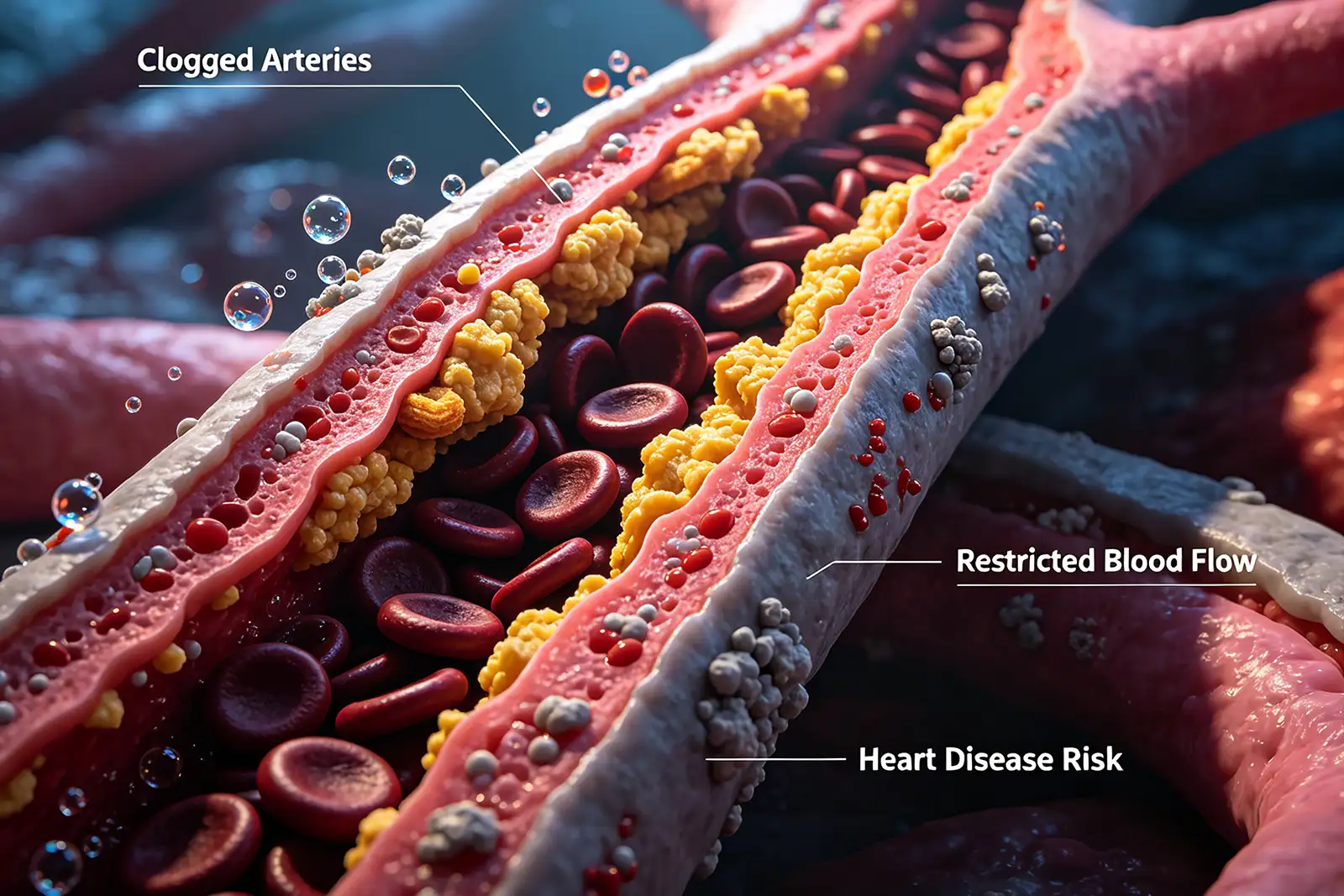
Heart disease is caused by damage to the blood vessels and heart muscle that accumulates over time. While cholesterol often receives the most attention, the actual disease process is driven by a combination of chronic inflammation, metabolic dysfunction, oxidative stress, and arterial damage. These factors interact to create atherosclerosis, the buildup of plaque in artery walls that leads to heart attacks, strokes, and other cardiovascular events. Understanding the true causes of heart disease reveals why focusing on cholesterol alone misses much of the picture.
Inflammation Is The Primary Driver: Chronic inflammation damages the arterial lining and triggers the process that leads to plaque formation. Without inflammation, cholesterol is far less likely to accumulate in artery walls.
Cholesterol Is Part Of The Story, Not The Whole Story: Cholesterol particles contribute to plaque formation, but only when the arterial environment is already damaged. Many people with high cholesterol never develop heart disease, while many with normal cholesterol have heart attacks.
Metabolic Health Matters: Insulin resistance, elevated blood sugar, and metabolic syndrome create conditions that accelerate arterial damage and plaque formation, often independently of cholesterol levels.
Multiple Factors Interact: Heart disease rarely has a single cause. Genetics, lifestyle, environment, hormones, and stress all contribute to cardiovascular risk and interact in complex ways.
Understanding How Heart Disease Develops
Heart disease, specifically atherosclerotic cardiovascular disease, develops through a process that unfolds over decades. The sequence begins with damage to the arterial lining and progresses through stages of inflammation, plaque formation, and eventually plaque rupture or severe blockage.
Stage 1: Endothelial Damage
The inner lining of arteries, called the endothelium, is a single layer of cells that controls blood vessel function. Healthy endothelium produces nitric oxide, which keeps arteries flexible, prevents clots, and blocks cholesterol from entering the artery wall. When the endothelium is damaged by high blood pressure, high blood sugar, smoking, toxins, or chronic inflammation, it loses these protective functions. The damaged areas become permeable to cholesterol particles and attract immune cells.
Stage 2: Inflammation And Immune Response
Once the endothelium is damaged, LDL cholesterol particles penetrate the arterial wall. There, they become oxidized, which triggers an inflammatory response. The immune system sends white blood cells called macrophages to consume the oxidized LDL. These macrophages become engorged with cholesterol and transform into foam cells, the building blocks of arterial plaque. This process is fundamentally an inflammatory response, not simply cholesterol accumulation.
Stage 3: Plaque Formation
As foam cells accumulate and die, they release their cholesterol content into the artery wall, forming a fatty core. The body attempts to wall off this damage by forming a fibrous cap over the plaque. Early plaques are soft and lipid-rich. Over time, calcium deposits can form, creating harder, more stable plaques. The plaque grows inward, narrowing the artery, and outward, remodeling the vessel wall.
Stage 4: Plaque Rupture Or Severe Blockage
Heart attacks most commonly occur when a plaque ruptures. Soft, inflamed plaques with thin fibrous caps are most vulnerable. When the cap breaks, the contents of the plaque are exposed to the bloodstream, triggering a blood clot that can completely block the artery within minutes. Alternatively, plaques can grow large enough to severely restrict blood flow, causing symptoms like chest pain with exertion.
The Root Causes Of Heart Disease
Chronic Inflammation
Inflammation is now recognized as a central driver of atherosclerosis. Sources of chronic inflammation include poor diet, especially processed foods and industrial seed oils; obesity, particularly visceral fat which produces inflammatory compounds; chronic infections, including gum disease; gut dysbiosis and intestinal permeability; autoimmune conditions; chronic stress; and poor sleep. Reducing inflammation is essential for preventing and reversing heart disease.
Insulin Resistance And Metabolic Dysfunction
Insulin resistance and metabolic dysfunction affect a substantial proportion of American adults, with approximately 40% having insulin resistance and nearly half meeting criteria for metabolic syndrome. When cells become resistant to insulin, blood sugar rises, the pancreas produces more insulin, and a cascade of metabolic problems follows. High insulin promotes inflammation, raises blood pressure, increases triglycerides, produces small dense LDL particles, and promotes fat storage around organs. Metabolic syndrome, characterized by abdominal obesity, high triglycerides, low HDL, elevated blood pressure, and high fasting glucose, is a powerful predictor of cardiovascular events.
Oxidative Stress
Oxidative stress occurs when free radicals overwhelm the body’s antioxidant defenses. LDL cholesterol only becomes dangerous when it is oxidized. Oxidized LDL is recognized as foreign by the immune system, triggering the inflammatory cascade that leads to plaque formation. Sources of oxidative stress include smoking, environmental toxins, poor diet, excessive exercise without adequate recovery, and chronic inflammation itself.
Hypertension
High blood pressure damages the arterial lining through mechanical stress. The constant pounding weakens the endothelium and creates sites where plaque can form. Hypertension also causes the heart muscle to thicken as it works harder to pump against increased resistance, eventually leading to heart failure if untreated. Blood pressure tends to rise with insulin resistance, chronic stress, poor sleep, and excessive sodium intake relative to potassium.
Lipid Abnormalities
Cholesterol does play a role in heart disease, but the relationship is more nuanced than total LDL numbers suggest. Small, dense LDL particles penetrate the arterial wall more easily than large, buoyant particles. High particle number matters more than cholesterol concentration. Elevated Lipoprotein(a), a genetic variant of LDL, significantly increases risk and does not respond to standard treatments. High triglycerides and low HDL, often seen with insulin resistance, indicate increased cardiovascular risk. Standard cholesterol panels miss many of these distinctions.
Genetics And Family History
Genetic factors influence cardiovascular risk through multiple pathways. Familial hypercholesterolemia causes very high LDL from birth and dramatically increases early heart disease risk. Elevated Lipoprotein(a) is inherited and affects approximately 20% of the population. Genetic variants affect how the body processes cholesterol, handles inflammation, and responds to different foods and medications. Family history of early heart disease, defined as a first-degree male relative before age 55 or female relative before age 65, indicates increased genetic risk. However, genetics are not destiny. Even high genetic risk can often be modified through aggressive lifestyle and medical intervention.
Hormonal Imbalances
Hormones significantly affect cardiovascular health. Estrogen provides cardiovascular protection, which is why heart disease risk increases sharply in women after menopause. Low testosterone in men is associated with increased cardiovascular risk. Thyroid dysfunction affects cholesterol metabolism and heart function. Chronic stress elevates cortisol, which promotes visceral fat accumulation, insulin resistance, and inflammation. Addressing hormonal imbalances can be an important component of cardiovascular risk reduction.
Lifestyle Factors
Daily habits create the environment in which heart disease either develops or is prevented. Sedentary behavior reduces insulin sensitivity and impairs endothelial function. Poor diet, particularly processed foods, added sugars, and industrial seed oils, promotes inflammation and metabolic dysfunction. Smoking damages the endothelium directly and increases oxidative stress. Excessive alcohol raises blood pressure and triglycerides. Chronic sleep deprivation disrupts hormones, increases inflammation, and impairs glucose metabolism. Social isolation and chronic psychological stress elevate cortisol and promote inflammation.
What You Should Consider
Think Beyond Cholesterol: A normal LDL number does not mean you are protected. Ask about inflammatory markers, metabolic health, and advanced lipid testing to understand your actual risk.
Address Root Causes: Medications that lower cholesterol address one piece of the puzzle. True prevention requires addressing inflammation, insulin resistance, and the lifestyle factors that drive disease.
Recognize That Heart Disease Is Multifactorial: Your cardiovascular risk is shaped by the interaction of genetics, lifestyle, environment, and metabolic health. Effective prevention addresses multiple factors, not just one.
Start Early: The disease process begins decades before symptoms appear. Prevention is far more effective than treatment. If you have risk factors, do not wait for symptoms to seek evaluation.
Understand Your Individual Risk: Population-based guidelines may not reflect your specific situation. Genetic factors, family history, and individual metabolic patterns all influence what interventions are most appropriate for you.
When To Seek Care Urgently
Call emergency services immediately for chest pain or pressure, pain radiating to the arm, jaw, neck, or back, sudden shortness of breath, unexplained sweating, nausea or vomiting with chest discomfort, sudden weakness or numbness especially on one side of the body, sudden severe headache, confusion, difficulty speaking, or loss of consciousness. These symptoms may indicate a heart attack or stroke requiring immediate treatment.
Talk it through with our team
If you want to understand your true cardiovascular risk and address the root causes of heart disease before it progresses, a comprehensive evaluation that goes beyond standard testing is the best starting point.
Book a discovery call →References
- Imbesi A, Greco A, Spagnolo M, et al. Targeting Inflammation After Acute Myocardial Infarction. J Am Coll Cardiol. 2025;86(15):1146-1169.
- Siasos G, Sara JD, Zaromytidou M, et al. Local Low Shear Stress and Endothelial Dysfunction in Patients With Nonobstructive Coronary Atherosclerosis. J Am Coll Cardiol. 2018;71(19):2092-2102.
- Dawson LP, Lum M, Nerleker N, Nicholls SJ, Layland J. Coronary Atherosclerotic Plaque Regression: JACC State-of-the-Art Review. J Am Coll Cardiol. 2022;79(1):66-82
- Luquain-Costaz C, Delton I. Oxysterols in Vascular Cells and Role in Atherosclerosis. Adv Exp Med Biol. 2024;1440:213-229.
More Heart Health Questions, Answered
This article is part of the HHC Clinical FAQ Series — in-depth answers to the most common heart health questions, written and reviewed by Dr. Regina Druz, MD, MBA, FACC, FMCP-M.
Similar Posts
- Coronary Artery Disease | Heart Attack Prevention | Heart Disease | High Cholesterol & Lp(a) | Hypertension
Vitamins That Remove Plaque From Arteries: What the Evidence Actually Shows
Coronary Artery DiseaseHeart Attack PreventionHeart DiseaseHigh Cholesterol & Lp(a)Hypertension Vitamins that remove plaque from arteries — the claim appears regularly in supplement marketing. The honest clinical answer is more nuanced: no vitamin dissolves or removes existing plaque. But several vitamins and nutrients have robust evidence for slowing plaque progression, reducing the oxidative and inflammatory processes…
Menopause and Heart Health
Heart Attack PreventionHeart DiseaseMenopausal Heart Diabetes High blood pressure Obesity Inactive lifestyle Family history of heart disease Smoking High LDL Low HDL Fruits and vegetables Whole grains Low-fat dairy products Fish and poultry Nuts A limit on red meat intake Avoid smoking Maintain a healthy, normal body weight Exercise at least 150 minutes each week…
The Benefits Of Hiking For Heart Health
Heart Disease Benefits To Be Aware Of Lowering the risk of heart disease. Improving blood sugar levels. Lowering your blood pressure. Decreasing the stress and anxiety levels that damage your heart. It keeps your weight at a manageable level, limiting the amount of work your heart needs to do. Safety Measures To Consider Start by…
How Much Cardio Is Too Much?
Heart Attack PreventionHeart Disease Key Points ✓ Increased heart strength. ✓ 150 to 300 minutes of moderate-intensity cardio per week. ✓ Calcium and plaque build up in your arteries. Benefits Of Cardio Increased heart strength. Improved sleep. Significant calories burned. Release of endorphins which are the body’s natural mood boosters. Reduced stress. Prevention of high…
How Long Does It Take To Reduce Hypertension?
Hypertension The timeline for reducing blood pressure depends entirely on what is driving it in the first place. If you are only addressing sodium intake and waiting for a medication to work, you may see numbers drop within weeks but never actually resolve the underlying dysfunction. If you address the real root causes, including insulin…
Can Anxiety Affect Your Heart?
Heart Disease Key Points ✓ Tachycardia – rapid heartbeat ✓ How Long It Lasts: The length of a panic attack can vary greatly but are most often under 20 minutes. How Anxiety Affects the Heart Tachycardia – rapid heartbeat High Blood Pressure Lower Heart Rate Variability – variation in heartbeats over time Is it a…