HDL vs. LDL
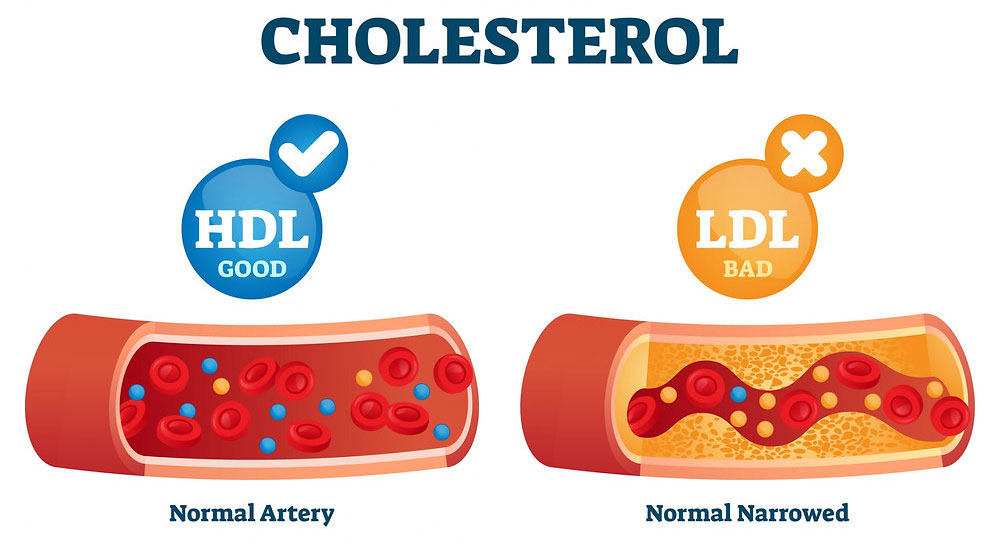
- Having a diet high in processed foods, such as simple sugars, and unhealthy saturated fat, especially from commercially fed animals.
- Excess weight, or “skinny fat”, otherwise known as metabolically obese.
- Lack of physical activity.
- Smoking or heavy metal toxicity from environmental sources..
- Age and gender: your cholesterol levels may raise as you get older. Women have lower cholesterol levels than men but can increase due to menopause. These changes are often due to disruption of the hormone balance. Specific hormonal issues such as hypothalamus-pituitary-adrenal (HPA) axis dysfunction play a powerful role, and so is the thyroid health.
- Genetics. A very complex topic to be addressed in the series of future posts.
- Inflammatory and metabolically disruptive medical conditions (kidney disease, HIV/AIDS, diabetes).
- Ongoing chronic inflammation, either due to a specific disease (such as autoimmune diseases or those mentioned above) or due to disrupted metabolic and hormonal balance.
More Articles on Heart Disease
-
Can Diet Reverse Heart Disease?
Read more →: Can Diet Reverse Heart Disease?Heart Disease Diet can contribute to reversing heart disease, particularly when it addresses the root causes of atherosclerosis like inflammation, insulin resistance, and oxidative stress. Clinical trials have demonstrated measurable plaque regression with intensive dietary intervention. However, diet alone may not be sufficient for everyone, especially those with advanced disease, genetic risk factors, or significant…
-
What Causes Heart Disease?
Read more →: What Causes Heart Disease?Heart Disease Heart disease is caused by damage to the blood vessels and heart muscle that accumulates over time. While cholesterol often receives the most attention, the actual disease process is driven by a combination of chronic inflammation, metabolic dysfunction, oxidative stress, and arterial damage. These factors interact to create atherosclerosis, the buildup of plaque…
-
Why Is Heart Disease The Leading Cause Of Death?
Read more →: Why Is Heart Disease The Leading Cause Of Death?Heart Disease Heart disease remains the leading cause of death worldwide because it develops silently over decades, is driven by common modern lifestyle factors, and is often detected too late requiring invasive intervention. The cardiovascular system is uniquely vulnerable to the cumulative effects of inflammation, metabolic dysfunction, and arterial damage. Unlike many other diseases, heart…
See all Heart Disease articles → | Back to Heart Health Blog