At-Home Remedies for a Strong Heart

Almonds – Eating almonds or drinking almond milk has been said to reduce symptoms of heartburn.
Omega-3 fatty acids – Found in fatty fish or fish oil supplements, omega-3 fatty acids hold many cardiac benefits including reducing atherosclerosis, risk of heart arrhythmia, and blood…
Treating Heart Pain:
- Almonds – Eating almonds or drinking almond milk has been said to reduce symptoms of heartburn. Experts theorize that since almonds are alkaline, they help soothe and naturalize acid that is irritating the esophagus.
- Apple cider vinegar – Many people find drinking a glass of water with a shot of apple cider vinegar before meals helpful in preventing acid reflux. Although the exact science of this remains unknown, it is believed to increase acid in the stomach for those who may not naturally produce enough.
- Hibiscus tea – In many cases, chest pain can be chalked up to gas pain. Drinking a hot beverage helps to decrease bloating and gas to prevent this from arising. In addition to these benefits, hot hibiscus tea supports healthy digestion by reducing cholesterol and blood pressure levels.
- Apply ice – Applying a cold pack to the chest helps ease inflammation of the chest wall, a possible source of heart pain.
Promoting Overall Heart Health:
- Turmeric – Turmeric has powerful antioxidant and anti-inflammatory properties and helps regulate blood pressure, and clotting in blood vessels.
- Pomegranate juice – Rich in antioxidants, Pomegranate juice helps promote blood flow to the heart by decreasing plaque build-up in your arteries.
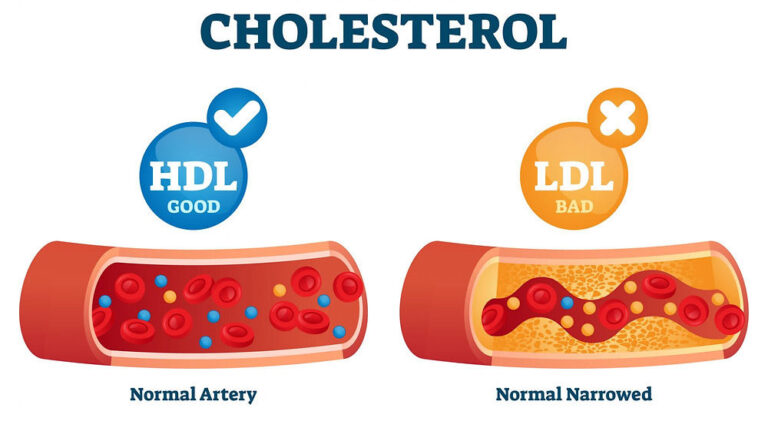
- Capsaicin – Capsaicin can be taken as a supplement, but it is also found in jalapeno, cayenne, and other chili peppers. Not only has it been found to relax the arteries, but it also lowers cholesterol levels and atherosclerotic plaque.
- Omega-3 fatty acids – Found in fatty fish or fish oil supplements, omega-3 fatty acids hold many cardiac benefits including reducing atherosclerosis, risk of heart arrhythmia, and blood pressure levels.
- Garlic – Garlic has many antibacterial, antiviral, antifungal, and antiparasitic properties, and has been shown to improve cholesterol and blood pressure levels.
- Ginger – In addition to being high anti-diabetic, ginger reduces oxidized lipoprotein markers and ApoB/ApoA-I ratios by over 25%, both of which are major risk factors for heart disease.
Natural Treatment for the Heart:
References
- Alfalfa – Alfalfa contains potassium and iron, each beneficial to the heart in various ways. Potassium helps to reduce tension in the arteries and thus lowers blood pressure. Iron improves red blood cell production, which ensures that the heart is receiving proper oxygen and circulation.
More Articles on Heart Disease
-
Can Diet Reverse Heart Disease?
Read more →: Can Diet Reverse Heart Disease?Heart Disease Diet can contribute to reversing heart disease, particularly when it addresses the root causes of atherosclerosis like inflammation, insulin resistance, and oxidative stress. Clinical trials have demonstrated measurable plaque regression with intensive dietary intervention. However, diet alone may not be sufficient for everyone, especially those with advanced disease, genetic risk factors, or significant…
-
What Causes Heart Disease?
Read more →: What Causes Heart Disease?Heart Disease Heart disease is caused by damage to the blood vessels and heart muscle that accumulates over time. While cholesterol often receives the most attention, the actual disease process is driven by a combination of chronic inflammation, metabolic dysfunction, oxidative stress, and arterial damage. These factors interact to create atherosclerosis, the buildup of plaque…
-
Why Is Heart Disease The Leading Cause Of Death?
Read more →: Why Is Heart Disease The Leading Cause Of Death?Heart Disease Heart disease remains the leading cause of death worldwide because it develops silently over decades, is driven by common modern lifestyle factors, and is often detected too late requiring invasive intervention. The cardiovascular system is uniquely vulnerable to the cumulative effects of inflammation, metabolic dysfunction, and arterial damage. Unlike many other diseases, heart…
See all Heart Disease articles → | Back to Heart Health Blog