Detox for Heart Health: What the Evidence Actually Supports
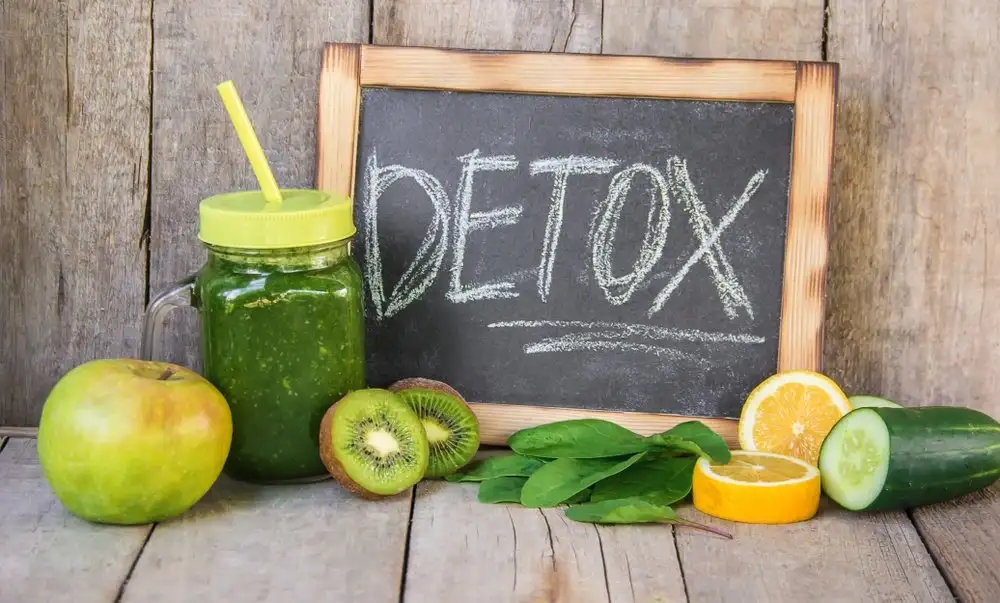
Detox for heart health is one of the most misunderstood topics in integrative medicine — misunderstood in both directions. On one side, the wellness industry promotes aggressive cleanses and unproven protocols that have no clinical basis. On the other, conventional medicine dismisses the concept entirely. The clinical reality sits between these positions: the body’s detoxification systems — primarily the liver, kidneys, gut, and lymphatic system — are physiologically real, measurable, and directly relevant to cardiovascular health. Supporting them through evidence-based strategies is a legitimate cardiovascular intervention.
Air pollution fine particulate matter (PM2.5) is estimated to contribute to 800,000 cardiovascular deaths annually worldwide, operating through endothelial dysfunction, systemic inflammation, and oxidative stress.
Sulforaphane from broccoli sprouts also activates Nrf2 — the master regulator of cellular antioxidant defense — reducing oxidative stress throughout the body.
Aggressive juice cleanses, colon hydrotherapy, chelation therapy for non-documented heavy metal toxicity, and unregulated “detox” supplements are not evidence-based and some carry direct risks.
At Holistic Heart Centers, environmental toxin exposure is evaluated as part of a complete cardiovascular workup when relevant — particularly in patients with unexplained inflammation (elevated hsCRP without…
What Is Detoxification and Why Does It Matter for the Heart?
Detoxification refers to the body’s biochemical processes for neutralizing and eliminating endogenous waste products and exogenous toxins — environmental chemicals, heavy metals, metabolic byproducts, and oxidized lipids — through the liver, kidneys, gut, skin, and lungs. These processes require specific nutrients, are measurable through biomarker testing, and when impaired, contribute directly to cardiovascular risk through several mechanisms.
Toxic Burden and Cardiovascular Risk
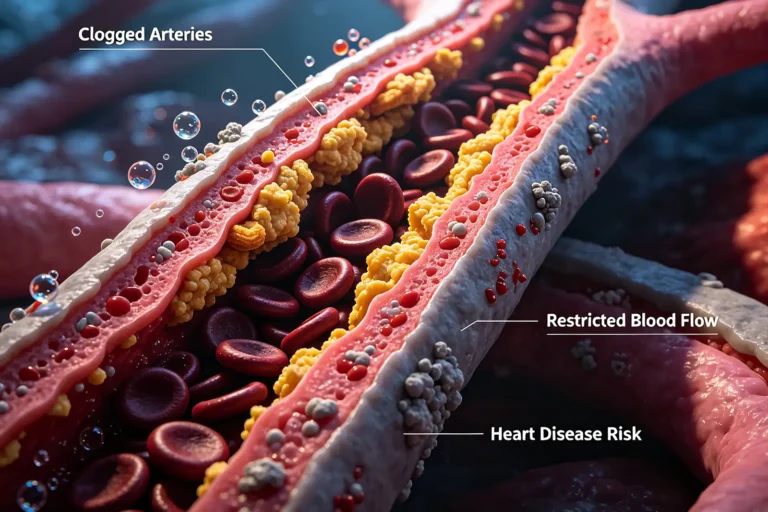
Environmental toxin exposure — including heavy metals (lead, cadmium, arsenic), persistent organic pollutants (PCBs, phthalates, BPA), and air pollution particulates — is an increasingly recognized cardiovascular risk factor. Lead and cadmium exposure is associated with hypertension, increased arterial stiffness, and higher cardiovascular mortality in epidemiological studies. Air pollution fine particulate matter (PM2.5) is estimated to contribute to 800,000 cardiovascular deaths annually worldwide, operating through endothelial dysfunction, systemic inflammation, and oxidative stress. These are not fringe concerns — the European Society of Cardiology now includes environmental toxin exposure in its cardiovascular risk guidelines.
Liver Function and Lipid Metabolism
The liver is the primary site of cholesterol synthesis, LDL receptor expression, triglyceride production, and HDL assembly. It is also the primary detoxification organ — processing and eliminating both endogenous waste (bile acids, bilirubin, ammonia) and exogenous chemicals through Phase I and Phase II detoxification pathways. When hepatic function is impaired — by fatty liver disease, alcohol, or toxic burden — lipid metabolism is simultaneously disrupted, producing the atherogenic dyslipidemia pattern: elevated triglycerides, low HDL, and increased small dense LDL. Supporting liver function is a lipid management strategy, not just a wellness concept.
Oxidative Stress and Toxin-Driven Inflammation
Many environmental toxins — including pesticides, heavy metals, and industrial chemicals — generate reactive oxygen species (ROS) that deplete the body’s antioxidant defenses, oxidize LDL (initiating atherosclerosis), impair endothelial nitric oxide production, and activate NF-kB inflammatory pathways. The resulting oxidative-inflammatory state is the same one that drives atherosclerotic plaque progression. Reducing toxic burden reduces this oxidative load directly.
Evidence-Based Cardiovascular Detoxification Strategies
1. Dietary Toxin Reduction
The single most impactful detoxification strategy is reducing dietary toxin intake: choosing organic produce for the highest-pesticide crops (the Environmental Working Group’s “Dirty Dozen”), minimizing ultra-processed food consumption (which concentrates food additives, emulsifiers, and oxidized lipids), reducing plastic food container and packaging exposure (phthalates and BPA are endocrine disruptors with cardiovascular effects), and choosing low-mercury fish (sardines, anchovies, herring, salmon) over high-mercury species (swordfish, king mackerel, tilefish).
2. Cruciferous Vegetables — Phase II Detoxification Support
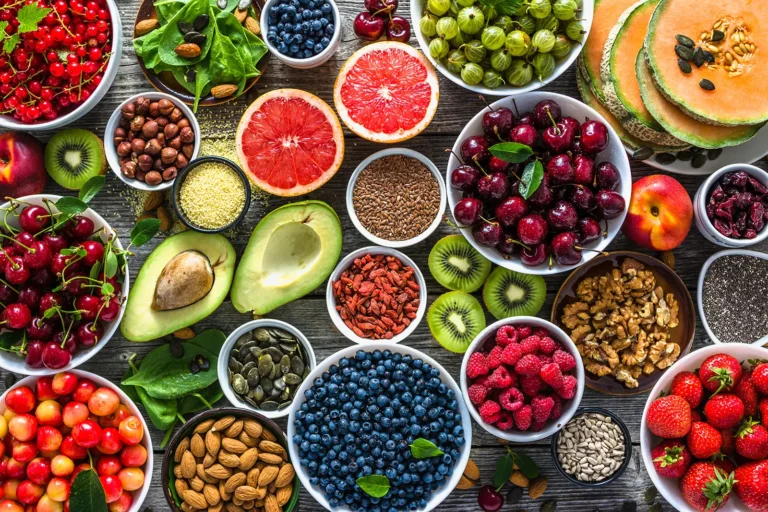
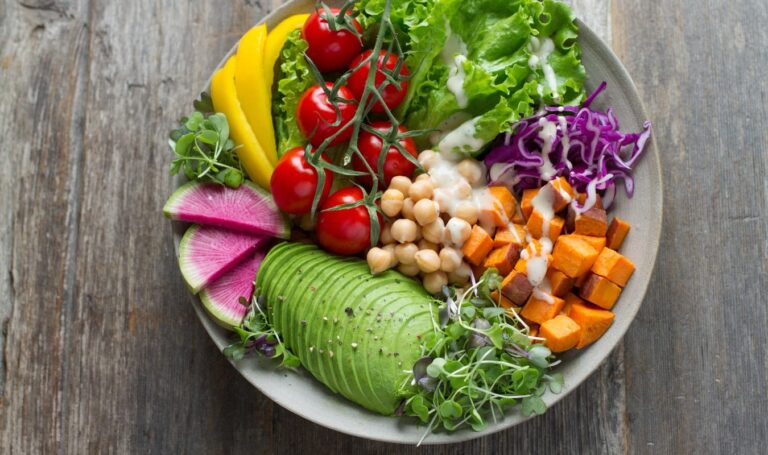
Cruciferous vegetables — broccoli, cauliflower, Brussels sprouts, kale, arugula — contain glucosinolates and sulforaphane that directly upregulate hepatic Phase II detoxification enzymes (glutathione S-transferases, glucuronosyltransferases). These enzymes conjugate toxins for urinary and biliary excretion. Sulforaphane from broccoli sprouts also activates Nrf2 — the master regulator of cellular antioxidant defense — reducing oxidative stress throughout the body. Target: 1–2 cups of cruciferous vegetables daily.
3. Fiber — Bile Acid and Toxin Binding
Soluble fiber (oats, psyllium, flaxseed, legumes) binds bile acids and toxins in the intestinal lumen, preventing their reabsorption and promoting fecal excretion. This is the same mechanism by which cholestyramine (a prescription bile acid sequestrant) lowers LDL — but fiber achieves it through food. Adequate fiber intake (25–35 grams daily) also supports bowel regularity — one of the primary routes of toxin elimination — and feeds beneficial gut bacteria that participate in toxin metabolism and bile acid transformation.
4. Glutathione Support
Glutathione is the body’s master antioxidant and primary hepatic detoxification molecule — required for Phase II conjugation of many toxins. Depleted glutathione impairs both detoxification and antioxidant defense simultaneously. N-acetylcysteine (NAC) at 600–1,200 mg daily is the most bioavailable glutathione precursor supplement. Alpha-lipoic acid (300–600 mg daily) regenerates glutathione and other antioxidants while also supporting heavy metal chelation. Dietary glutathione precursors: garlic (cysteine), eggs (methionine), and whey protein.
5. Sauna Therapy — Cutaneous Toxin Excretion
Sweating is a legitimate route of excretion for certain toxins — particularly heavy metals (cadmium, lead, arsenic, mercury have been measured in sweat at levels comparable to urine concentrations) and some persistent organic pollutants. Infrared sauna at 140–160°F for 20–30 minutes produces deeper tissue heating and more abundant sweating than traditional sauna, with studies confirming heavy metal excretion and cardiovascular benefits including blood pressure reduction and improved endothelial function. Cardiovascular patients should start conservatively (10–15 minutes) with physician guidance.
6. Intermittent Fasting — Autophagy and Cellular Detoxification
Intermittent fasting (16:8 protocol or 24-hour fasts) activates autophagy — the cellular process of identifying and degrading damaged proteins, dysfunctional mitochondria, and intracellular waste. Autophagy is the body’s primary intracellular “detoxification” system and declines with age and chronic nutrient excess. Fasting-induced autophagy reduces oxidative stress markers, improves insulin sensitivity, reduces blood pressure, and promotes cardiovascular cellular health. It does not require caloric restriction — timing is the key variable.
What Detoxification Is NOT
Aggressive juice cleanses, colon hydrotherapy, chelation therapy for non-documented heavy metal toxicity, and unregulated “detox” supplements are not evidence-based and some carry direct risks. Chelation therapy (EDTA infusions) is FDA-approved only for documented heavy metal poisoning — using it as a general cardiovascular intervention remains experimental. The TACT trial showed possible cardiovascular benefit in specific populations (diabetic patients with prior myocardial infarction), but it is not standard practice and requires specialist oversight.
The Integrative Cardiology Approach
At Holistic Heart Centers, environmental toxin exposure is evaluated as part of a complete cardiovascular workup when relevant — particularly in patients with unexplained inflammation (elevated hsCRP without traditional risk factors), treatment-resistant hypertension, or heavy occupational or environmental exposure history. Heavy metal testing (urine or blood), liver function assessment, and oxidative stress markers guide specific interventions. The focus is on evidence-based strategies — dietary modification, targeted supplementation, and lifestyle practices with measurable effects — not unproven commercial cleanse protocols.
Concerned about environmental toxin exposure and your cardiovascular health
The Step 1 Explore visit at Holistic Heart Centers includes inflammatory and oxidative stress biomarker assessment alongside complete cardiovascular evaluation.
Schedule a free strategy call →References
- Landrigan PJ, et al. The Lancet Commission on Pollution and Health. Lancet. 2018;391(10119):462-512.
- Genuis SJ, et al. Blood, Urine, and Sweat Study: Monitoring and Elimination of Bioaccumulated Toxic Elements. Arch Environ Contam Toxicol. 2011;61(2):344-357.
- Laukkanen JA, et al. Cardiovascular and Other Health Benefits of Sauna Bathing. Mayo Clin Proc. 2018;93(8):1111-1121.
More Articles on Heart Disease
-
Can Diet Reverse Heart Disease?
Read more →: Can Diet Reverse Heart Disease?Heart Disease Diet can contribute to reversing heart disease, particularly when it addresses the root causes of atherosclerosis like inflammation, insulin resistance, and oxidative stress. Clinical trials have demonstrated measurable plaque regression with intensive dietary intervention. However, diet alone may not be sufficient for everyone, especially those with advanced disease, genetic risk factors, or significant…
-
What Causes Heart Disease?
Read more →: What Causes Heart Disease?Heart Disease Heart disease is caused by damage to the blood vessels and heart muscle that accumulates over time. While cholesterol often receives the most attention, the actual disease process is driven by a combination of chronic inflammation, metabolic dysfunction, oxidative stress, and arterial damage. These factors interact to create atherosclerosis, the buildup of plaque…
-
Why Is Heart Disease The Leading Cause Of Death?
Read more →: Why Is Heart Disease The Leading Cause Of Death?Heart Disease Heart disease remains the leading cause of death worldwide because it develops silently over decades, is driven by common modern lifestyle factors, and is often detected too late requiring invasive intervention. The cardiovascular system is uniquely vulnerable to the cumulative effects of inflammation, metabolic dysfunction, and arterial damage. Unlike many other diseases, heart…
See all Heart Disease articles → | Back to Heart Health Blog