Herbs for Heart Health: What the Evidence Actually Shows
Herbs for heart health have been used in traditional medicine systems for centuries — and several have accumulated enough clinical trial data to warrant serious attention from integrative cardiologists. Dr. Regina Druz, MD, MBA, FACC, FMCP-M evaluates herbal cardiovascular interventions by the same standard as any other treatment: mechanism of action, quality of clinical evidence, effect size, and safety profile. This guide covers the herbs with the most credible evidence, what they actually do, and the safety considerations that matter clinically.
A Cochrane review of 14 randomized controlled trials found hawthorn extract significantly improved exercise tolerance and reduced symptoms in patients with heart failure.
At Holistic Heart Centers, Dr.
Herbs for Heart Health Backed by Clinical Evidence
1. Hawthorn (Crataegus monogyna)
Hawthorn has the most robust clinical evidence of any cardiovascular herb. Its flavonoids — vitexin, quercetin, and oligomeric procyanidins — improve coronary and peripheral blood flow, reduce myocardial oxygen consumption, and have mild positive inotropic effects (supporting cardiac contractility). A Cochrane review of 14 randomized controlled trials found hawthorn extract significantly improved exercise tolerance and reduced symptoms in patients with heart failure. The Survival and Prognosis: Investigation of Crataegus Extract WS 1442 in CHF (SPICE) trial — a major European RCT — found hawthorn extract reduced the risk of sudden cardiac death in patients with left ventricular ejection fractions above 25%. Standard dose: 300–1,000 mg daily of standardized extract (containing 1.8–2.2% vitexin rhamnoside or 18–20% oligomeric procyanidins).
2. Garlic (Allium sativum)
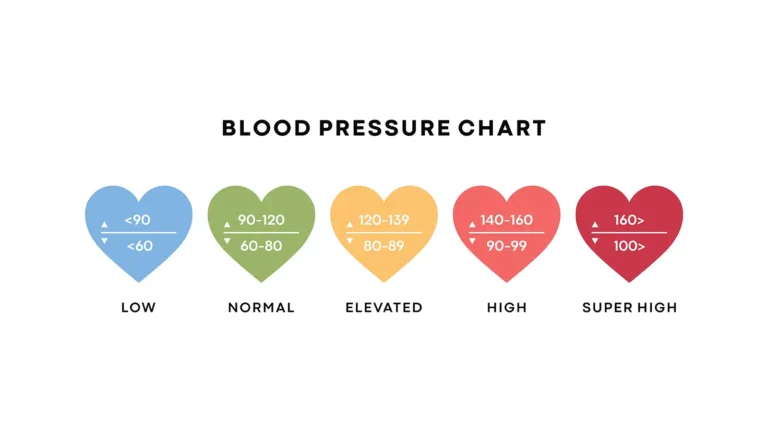
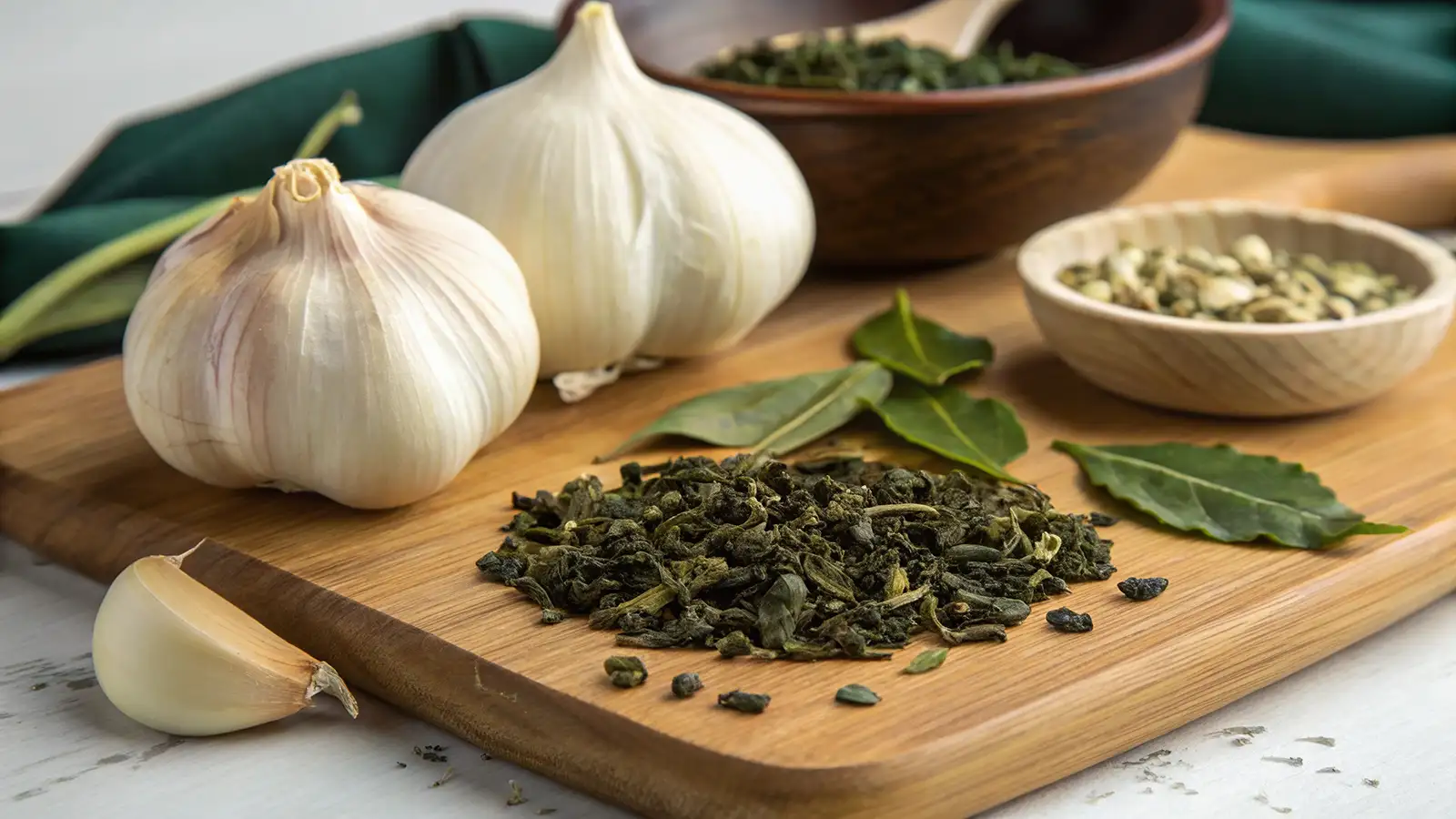
Garlic is the most comprehensively studied cardiovascular herb. Allicin and related organosulfur compounds lower blood pressure (meta-analyses show reductions of 5–8 mmHg systolic in hypertensive patients), reduce LDL cholesterol by 10–15 mg/dL, inhibit platelet aggregation, and reduce oxidized LDL. Aged garlic extract (AGE) specifically has demonstrated slowing of coronary artery calcium progression in randomized trials. Standard dose for cardiovascular benefit: 600–1,200 mg of aged garlic extract daily, or 2–4 grams fresh garlic. Precaution: garlic potentiates anticoagulants — disclose use to your physician if you are on warfarin, aspirin, or clopidogrel.
3. Hibiscus (Hibiscus sabdariffa)
Hibiscus tea is one of the most evidence-backed botanical interventions for blood pressure reduction. Its anthocyanins and organic acids act as ACE inhibitors — the same mechanism as lisinopril and ramipril. A meta-analysis of five randomized controlled trials found hibiscus tea reduced systolic blood pressure by an average of 7.4 mmHg and diastolic by 3.4 mmHg — clinically meaningful reductions comparable to low-dose antihypertensive medication. Standard dose: two to three cups of hibiscus tea daily (using dried calyces, steeped 10–15 minutes). Most trials used 10 grams of dried hibiscus per cup.
4. Berberine
Technically a plant alkaloid rather than an herb, berberine is extracted from several plants including barberry (Berberis vulgaris), goldenseal, and Oregon grape. Its cardiovascular effects are among the most thoroughly studied of any botanical compound. Berberine inhibits PCSK9 (lowering LDL by 15–25 mg/dL), activates AMPK (improving insulin sensitivity and reducing triglycerides), and has demonstrated anti-arrhythmic properties in both animal and early human studies. It is the botanical equivalent of combining a mild statin with a mild metformin. Critical caveat: berberine inhibits CYP3A4 and can significantly elevate plasma levels of statins and other drugs metabolized by this enzyme. A drug interaction review is mandatory before use.
5. Ginger (Zingiber officinale)
Ginger’s cardiovascular benefits stem from its gingerols and shogaols, which have anti-platelet, anti-inflammatory, and antioxidant effects. Clinical trials show ginger reduces fasting blood glucose, LDL cholesterol, and triglycerides while raising HDL. A 2019 meta-analysis of 12 randomized trials found ginger supplementation significantly reduced total cholesterol, LDL, and triglycerides. Standard supplemental dose: 1–3 grams daily of standardized ginger extract. Precaution: ginger has mild anti-platelet effects — relevant in patients on anticoagulants.
6. Turmeric/Curcumin (Curcuma longa)
Curcumin is turmeric’s primary bioactive compound, with well-documented anti-inflammatory and antioxidant effects operating through NF-kB inhibition. Clinical trials confirm curcumin reduces hsCRP, oxidized LDL, and improves endothelial function. The challenge with curcumin is bioavailability — it is poorly absorbed without a phospholipid complex (phytosome) or piperine (black pepper extract). Standard dose: 500–1,000 mg daily of curcumin phytosome. Plain turmeric powder as a spice provides negligible cardiovascular concentrations.
When to See a Doctor Before Using Herbal Supplements
Herbal supplements can interact with cardiac medications in clinically significant ways. Always disclose herbal supplement use to your cardiologist if you take warfarin or other anticoagulants (garlic, ginger, and ginkgo all increase bleeding risk), antihypertensive medications (hibiscus and hawthorn can cause additive blood pressure lowering), statins (berberine inhibits statin metabolism via CYP3A4), or antiarrhythmic drugs (any herb with cardiac effects warrants disclosure).
The Integrative Cardiology Approach to Herbal Medicine
At Holistic Heart Centers, Dr. Druz integrates evidence-based botanical interventions into cardiovascular management plans that include advanced biomarker testing, lifestyle modifications, and when appropriate, conventional medications. The goal is never to replace proven pharmacologic therapy in high-risk patients — it is to extend and personalize cardiovascular care for patients who want a comprehensive approach. The right herbal intervention for your situation depends on your specific lipid panel, blood pressure pattern, inflammatory markers, and medication list.
Want a personalized herbal and supplement protocol for your cardiovascular health
The Step 1 Explore visit at Holistic Heart Centers includes a complete review of your biomarkers and a tailored integrative plan.
Schedule a free strategy call →References
- Pittler MH, Guo R, Ernst E. Hawthorn Extract for Treating Chronic Heart Failure. Cochrane Database Syst Rev. 2008;(1):CD005312.
- Nwachukwu DC, et al. Effect of Aqueous Extract of Hibiscus sabdariffa on Blood Pressure. J Ethnopharmacol. 2015;172:19-24.
- Ebrahimzadeh Attari V, et al. Effects of Ginger on Lipid Profile. J Clin Pharm Ther. 2018;43(5):609-616.
- Bahji A, et al. Berberine for Dyslipidemia. Drugs. 2023;83(5):455-476.
More Articles on Heart Disease
-
Can Diet Reverse Heart Disease?
Read more →: Can Diet Reverse Heart Disease?Heart Disease Diet can contribute to reversing heart disease, particularly when it addresses the root causes of atherosclerosis like inflammation, insulin resistance, and oxidative stress. Clinical trials have demonstrated measurable plaque regression with intensive dietary intervention. However, diet alone may not be sufficient for everyone, especially those with advanced disease, genetic risk factors, or significant…
-
What Causes Heart Disease?
Read more →: What Causes Heart Disease?Heart Disease Heart disease is caused by damage to the blood vessels and heart muscle that accumulates over time. While cholesterol often receives the most attention, the actual disease process is driven by a combination of chronic inflammation, metabolic dysfunction, oxidative stress, and arterial damage. These factors interact to create atherosclerosis, the buildup of plaque…
-
Why Is Heart Disease The Leading Cause Of Death?
Read more →: Why Is Heart Disease The Leading Cause Of Death?Heart Disease Heart disease remains the leading cause of death worldwide because it develops silently over decades, is driven by common modern lifestyle factors, and is often detected too late requiring invasive intervention. The cardiovascular system is uniquely vulnerable to the cumulative effects of inflammation, metabolic dysfunction, and arterial damage. Unlike many other diseases, heart…
See all Heart Disease articles → | Back to Heart Health Blog