Foods That Lower Blood Pressure: A Cardiologist’s Evidence-Based Guide
Foods that lower blood pressure are among the most searched cardiovascular topics online — and for good reason. Hypertension affects nearly half of American adults, most of whom are managed with medication alone, without a systematic review of the dietary and lifestyle factors that drive blood pressure elevation. As an integrative cardiologist, Dr. Regina Druz, MD, MBA, FACC, FMCP-M addresses blood pressure through the mechanisms that create it — not just the numbers on the cuff.
Blood pressure is determined by cardiac output and vascular resistance.
Studies show that one to two daily servings of nitrate-rich vegetables reduce systolic blood pressure by 4–8 mmHg.
Sodium above 1,500–2,300 mg daily directly elevates blood pressure in sodium-sensitive individuals — the majority of hypertensive patients.
Druz evaluates renin-angiotensin-aldosterone system activity, cortisol and stress hormone patterns, sleep apnea (present in up to 50% of treatment-resistant hypertension), magnesium and potassium status, kidney function, and thyroid…
How Diet Affects Blood Pressure: The Mechanisms That Matter
Blood pressure is determined by cardiac output and vascular resistance. Diet influences both through multiple pathways: sodium and fluid balance affect blood volume and cardiac output; potassium, magnesium, and calcium regulate vascular smooth muscle tone; nitric oxide production determines arterial dilation capacity; and systemic inflammation drives arterial stiffening. Effective dietary intervention targets all of these simultaneously — not just sodium restriction.
Foods That Lower Blood Pressure: What the Evidence Shows
1. Leafy Greens — The Nitrate-Rich Blood Pressure Lowerers
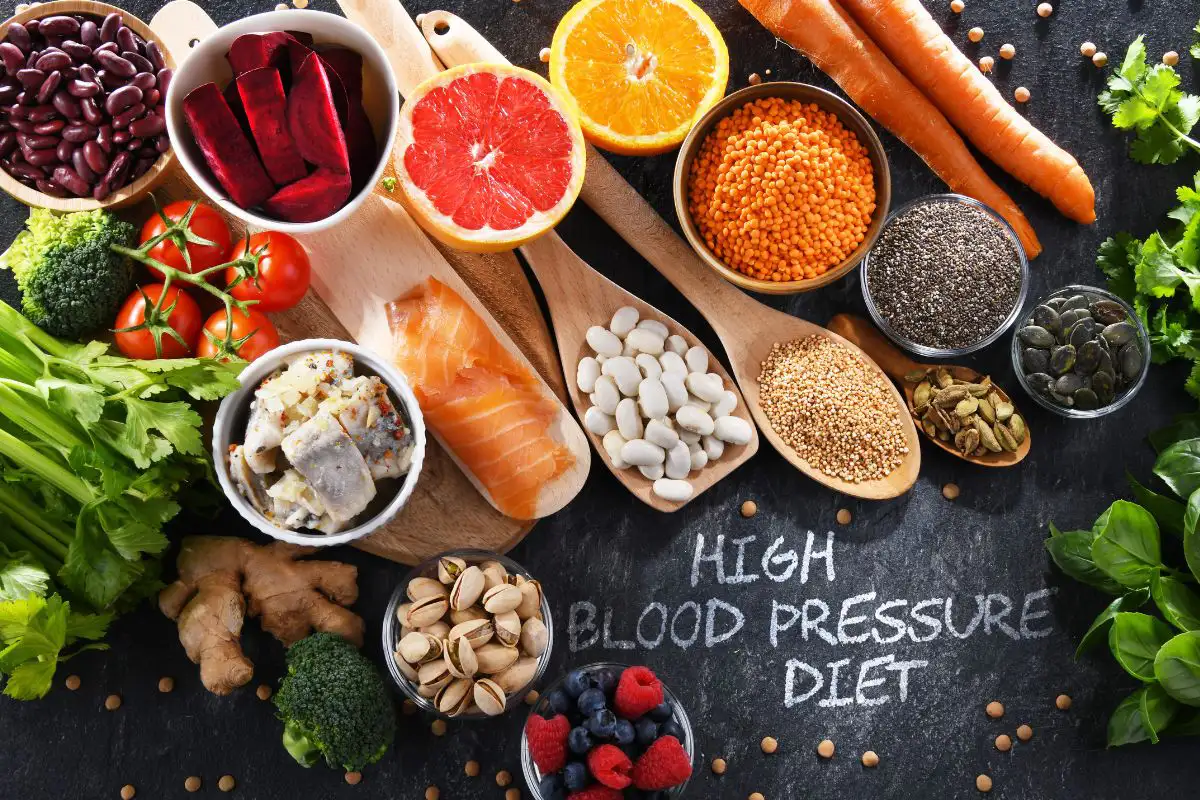
Spinach, arugula, Swiss chard, kale, and romaine lettuce are high in dietary nitrates, which the body converts to nitric oxide — the primary vasodilator that relaxes arterial smooth muscle and reduces vascular resistance. Studies show that one to two daily servings of nitrate-rich vegetables reduce systolic blood pressure by 4–8 mmHg. Spinach also provides magnesium (157 mg per cooked cup) and potassium (840 mg per cooked cup) — two minerals with direct blood pressure-lowering effects. Practical target: two cups of leafy greens daily, raw or lightly cooked.
2. Beets — Concentrated Nitric Oxide Precursors
Beets have the highest dietary nitrate content of any common vegetable. A 2015 meta-analysis found that beetroot juice consumption reduced systolic blood pressure by an average of 4.4 mmHg — an effect comparable to a low-dose antihypertensive medication. The active compound is nitrate, converted to nitric oxide via bacterial reduction on the tongue and in the gut. Beet juice at 250–500 mL daily or roasted beets (2–3 medium beets) produces the most consistent results. Effect is seen within 2–3 hours of consumption and sustained with regular intake.
3. Berries — Flavonoids for Endothelial Function
Blueberries, strawberries, raspberries, and blackberries are rich in anthocyanins — flavonoids that improve endothelial function, reduce arterial stiffness, and lower blood pressure. The INTERMAP study found that higher anthocyanin intake was associated with a 4–6% reduction in hypertension risk. A clinical trial of blueberry powder (equivalent to one cup of blueberries daily) reduced systolic blood pressure by 5 mmHg in postmenopausal women with pre-hypertension. Berries also reduce oxidized LDL and systemic inflammation — making them the most cardiovascular-efficient fruit category.
4. Fatty Fish — Omega-3s for Blood Pressure and Arterial Compliance
EPA and DHA — the omega-3 fatty acids in fatty fish — reduce blood pressure through multiple mechanisms: reduction of systemic inflammation, improved endothelial function, and direct effects on vascular smooth muscle. A meta-analysis of 70 randomized trials found omega-3 supplementation reduced systolic blood pressure by 2.6 mmHg and diastolic by 1.8 mmHg across all doses, with larger effects (up to 5 mmHg systolic) at doses above 2 grams per day. Target: 2–3 servings weekly of fatty fish (salmon, mackerel, sardines, herring) or therapeutic omega-3 supplementation at 2–4 grams daily EPA+DHA.
5. Garlic — ACE Inhibition Through Food
Garlic reduces blood pressure through several mechanisms including allicin-mediated ACE inhibition (similar to lisinopril’s mechanism), hydrogen sulfide production causing vasodilation, and reduction of platelet aggregation. A 2016 meta-analysis of 17 trials found garlic supplementation reduced systolic blood pressure by an average of 5 mmHg and diastolic by 2.5 mmHg in hypertensive patients. Aged garlic extract at 600–1,200 mg daily is the most consistently studied form. Fresh garlic (2–4 cloves crushed and rested 10 minutes before use to maximize allicin formation) is effective as a culinary strategy. Precaution: garlic potentiates anticoagulants — disclose to your physician if you take blood thinners.
6. Hibiscus Tea — Nature’s ACE Inhibitor
Hibiscus sabdariffa tea has the most robust clinical evidence of any herbal blood pressure intervention. Its anthocyanins and organic acids act as ACE inhibitors. A meta-analysis of randomized controlled trials found hibiscus tea reduced systolic blood pressure by 7.4 mmHg and diastolic by 3.4 mmHg — clinically comparable to low-dose antihypertensive medication. Standard protocol: 2–3 cups daily of hibiscus tea brewed from dried calyces (not hibiscus-flavored tea). Effects are seen within 2–6 weeks of consistent use.
7. Potassium-Rich Foods — Counteracting Sodium’s Effects
Potassium directly counteracts sodium’s blood pressure-elevating effects by promoting renal sodium excretion. The DASH diet — which reduces systolic blood pressure by 8–14 mmHg — derives much of its effect from potassium-rich vegetables and fruits rather than sodium restriction alone. Target: 3,500–4,700 mg daily from food. Highest sources: avocados (975 mg per cup), cooked spinach (840 mg per cup), sweet potatoes (950 mg per medium), bananas (422 mg), white beans (1,000 mg per cup), and lentils (730 mg per cup).
8. Magnesium-Rich Foods and Supplementation
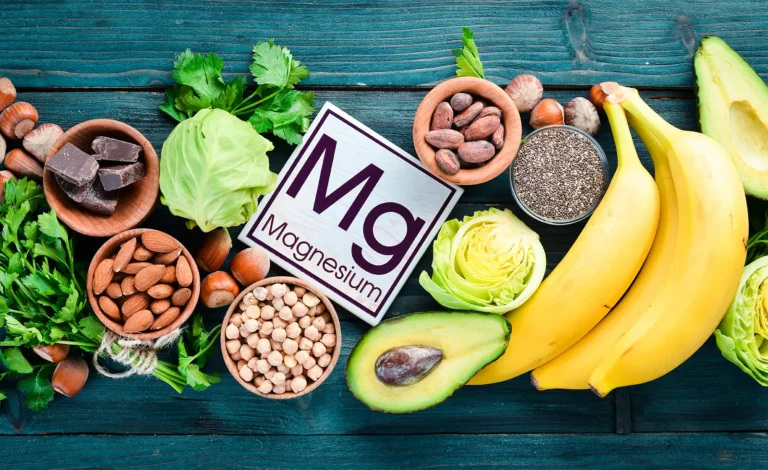
Magnesium is a natural calcium channel blocker — it relaxes vascular smooth muscle and reduces peripheral vascular resistance. Magnesium deficiency is extremely common (affects over 50% of the US population by some estimates) and is associated with hypertension, arterial stiffness, and increased cardiovascular risk. Foods highest in magnesium: pumpkin seeds (168 mg per oz), almonds (80 mg per oz), black beans (120 mg per cup cooked), and dark chocolate (64 mg per oz). Supplemental magnesium glycinate at 200–400 mg daily reduces blood pressure by an additional 2–4 mmHg in deficient individuals.
9. Dark Chocolate and Cocoa — Flavanols for Vascular Health
Dark chocolate (70%+ cocoa content) and unsweetened cocoa are rich in flavanols that improve nitric oxide production and endothelial function. A Cochrane review of 35 trials found flavanol-rich cocoa reduced systolic blood pressure by 2.8 mmHg and diastolic by 2.2 mmHg. The key is cocoa content — milk chocolate and dutched (alkalized) cocoa have most flavanols removed. Practical dose: 20–30 grams of dark chocolate daily or 1 tablespoon of minimally processed cocoa powder.
10. Olive Oil — Mediterranean Diet’s Anti-Hypertensive Cornerstone
Extra-virgin olive oil reduces blood pressure through oleocanthal (an anti-inflammatory compound with effects similar to ibuprofen), polyphenols that improve endothelial function, and oleic acid that increases nitric oxide production. The PREDIMED trial — the landmark Mediterranean diet cardiovascular outcomes study — used olive oil as a primary intervention and demonstrated meaningful blood pressure reductions alongside 30% reductions in cardiovascular events. Target: 4 tablespoons (50 mL) of extra-virgin olive oil daily, used as the primary cooking fat and salad dressing base.
What to Reduce or Eliminate
Reducing blood pressure through diet requires not just adding beneficial foods but removing the primary dietary drivers of hypertension. Sodium above 1,500–2,300 mg daily directly elevates blood pressure in sodium-sensitive individuals — the majority of hypertensive patients. Alcohol, particularly above 1 drink daily for women and 2 for men, consistently raises blood pressure. Ultra-processed foods combine high sodium, refined carbohydrates, and pro-inflammatory fats that together elevate blood pressure through multiple mechanisms simultaneously. Caffeine causes acute blood pressure spikes and should be moderated in hypertensive patients.
When to See a Doctor About Blood Pressure
Seek immediate evaluation for blood pressure above 180/120 (hypertensive crisis) or any blood pressure elevation accompanied by headache, vision changes, chest pain, or shortness of breath. See a physician promptly for sustained readings above 140/90 on home monitoring, any blood pressure above 130/80 in patients with diabetes or chronic kidney disease, and hypertension discovered during pregnancy. Do not rely on dietary intervention alone for blood pressure above 160/100 — pharmacologic treatment provides faster protection while dietary changes are implemented.
The Integrative Cardiology Approach to Hypertension
At Holistic Heart Centers, blood pressure management begins with identifying the mechanism driving elevation — not just the number. Dr. Druz evaluates renin-angiotensin-aldosterone system activity, cortisol and stress hormone patterns, sleep apnea (present in up to 50% of treatment-resistant hypertension), magnesium and potassium status, kidney function, and thyroid function before recommending a treatment strategy. Diet is the foundation, but it’s most effective when matched to the specific physiological driver — a dietary approach that works for stress-driven hypertension differs from one that works for sodium-sensitive or sleep apnea-driven hypertension.
Frequently Asked Questions
What food lowers blood pressure immediately?
Beetroot juice produces the fastest measurable blood pressure reduction of any food — effects are detectable within 2–3 hours and peak at 3–6 hours after consumption, with systolic reductions of 4–10 mmHg. Hibiscus tea works over days to weeks rather than hours. For acute management of elevated blood pressure, dietary interventions are not a substitute for medical treatment — readings above 160/100 require physician evaluation.
What is the DASH diet and does it work?
The Dietary Approaches to Stop Hypertension (DASH) diet emphasizes fruits, vegetables, low-fat dairy, whole grains, and limits sodium, saturated fat, and alcohol. Randomized trials show it reduces systolic blood pressure by 8–14 mmHg — comparable to single-drug pharmacologic therapy. It is the most evidence-based dietary pattern specifically for blood pressure reduction and forms the foundation of dietary recommendations at Holistic Heart Centers.
Does magnesium lower blood pressure?
Yes — magnesium reduces blood pressure by relaxing vascular smooth muscle (acting as a natural calcium channel blocker) and improving endothelial function. Meta-analyses confirm supplemental magnesium reduces systolic blood pressure by 2–4 mmHg and diastolic by 1–3 mmHg, with larger effects in deficient individuals. RBC magnesium testing (not serum magnesium) accurately identifies true intracellular deficiency, which is present in a majority of hypertensive patients.
Managing high blood pressure and want a comprehensive dietary and lifestyle protocol
The Step 1 Explore visit at Holistic Heart Centers includes a complete hypertension workup and a personalized dietary, supplement, and lifestyle plan.
Schedule a free strategy call →References
- Siervo M, et al. Inorganic Nitrate and Beetroot Juice Supplementation Reduces Blood Pressure. J Nutr. 2013;143(6):818-826.
- Nwachukwu DC, et al. Effect of Hibiscus sabdariffa on Blood Pressure. J Ethnopharmacol. 2015;172:19-24.
- Appel LJ, et al. A Clinical Trial of the Effects of Dietary Patterns on Blood Pressure (DASH). N Engl J Med. 1997;336(16):1117-1124.
- Estruch R, et al. Primary Prevention of Cardiovascular Disease with a Mediterranean Diet (PREDIMED). N Engl J Med. 2013;368(14):1279-1290.
More Articles on Heart Disease
-
Can Diet Reverse Heart Disease?
Read more →: Can Diet Reverse Heart Disease?Heart Disease Diet can contribute to reversing heart disease, particularly when it addresses the root causes of atherosclerosis like inflammation, insulin resistance, and oxidative stress. Clinical trials have demonstrated measurable plaque regression with intensive dietary intervention. However, diet alone may not be sufficient for everyone, especially those with advanced disease, genetic risk factors, or significant…
-
What Causes Heart Disease?
Read more →: What Causes Heart Disease?Heart Disease Heart disease is caused by damage to the blood vessels and heart muscle that accumulates over time. While cholesterol often receives the most attention, the actual disease process is driven by a combination of chronic inflammation, metabolic dysfunction, oxidative stress, and arterial damage. These factors interact to create atherosclerosis, the buildup of plaque…
-
Why Is Heart Disease The Leading Cause Of Death?
Read more →: Why Is Heart Disease The Leading Cause Of Death?Heart Disease Heart disease remains the leading cause of death worldwide because it develops silently over decades, is driven by common modern lifestyle factors, and is often detected too late requiring invasive intervention. The cardiovascular system is uniquely vulnerable to the cumulative effects of inflammation, metabolic dysfunction, and arterial damage. Unlike many other diseases, heart…
See all Heart Disease articles → | Back to Heart Health Blog