Oxidative Stress and Heart Disease: What It Is, How to Measure It, and How to Reduce It
Oxidative stress is one of the primary mechanisms driving cardiovascular disease — yet it rarely appears on a standard cardiology workup. As an integrative cardiologist, Dr. Regina Druz, MD, MBA, FACC, FMCP-M measures oxidative burden directly through biomarkers like oxidized LDL and 8-isoprostane, because addressing oxidative stress is one of the highest-yield interventions for patients with subclinical atherosclerosis, endothelial dysfunction, and chronic inflammation. This guide explains what oxidative stress is, how it damages the cardiovascular system, and what the evidence shows for reducing it.
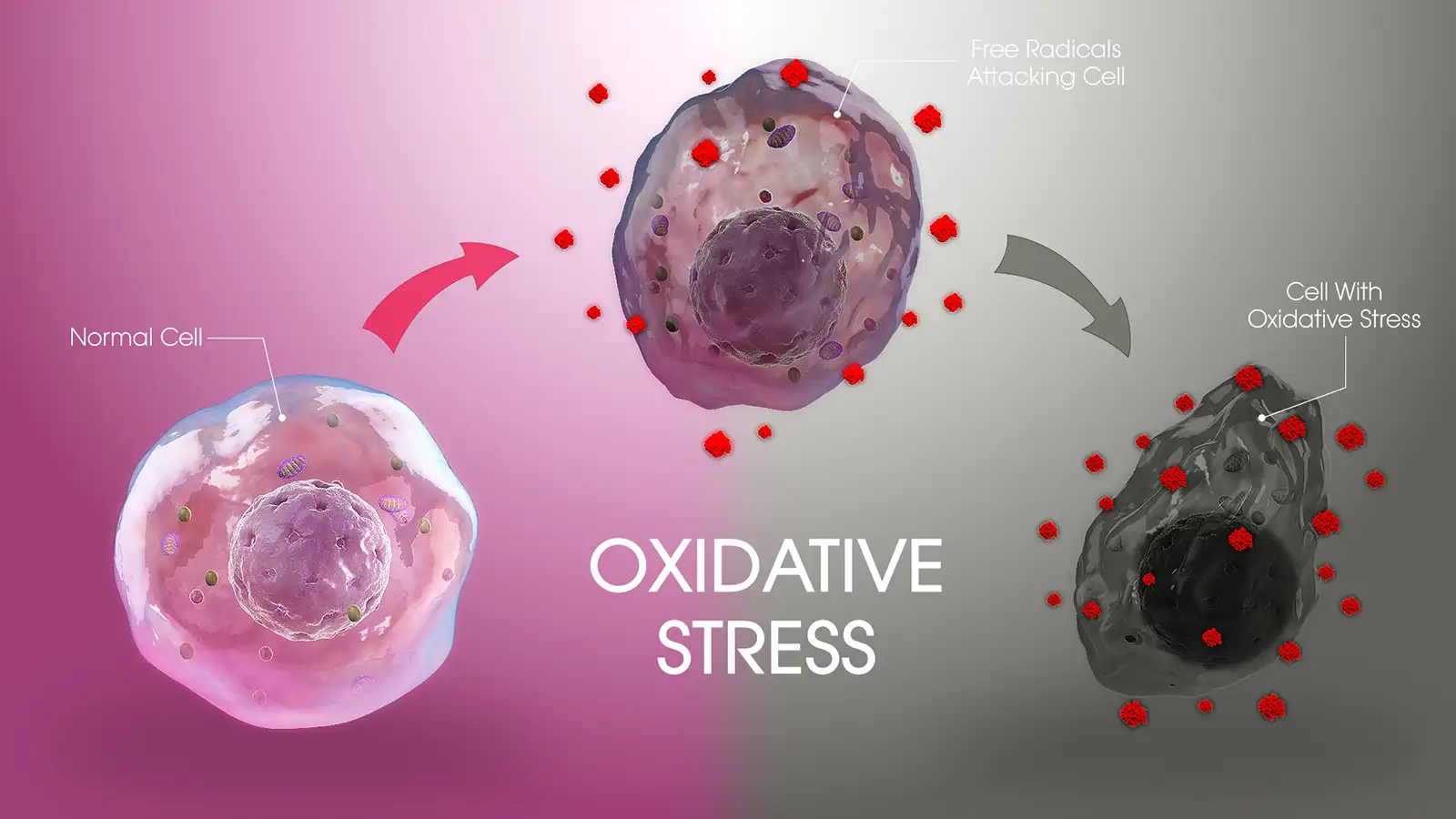
Oxidative stress occurs when the production of reactive oxygen species (ROS) — unstable molecules that damage cells, proteins, and DNA — exceeds the body’s antioxidant defense capacity.
ROS activate NF-kB — a master transcription factor for pro-inflammatory gene expression — which drives production of inflammatory cytokines (IL-6, TNF-alpha, CRP) that in turn generate more ROS.
Druz evaluates oxidized LDL (the most clinically relevant marker for atherosclerotic risk), 8-isoprostane (a urinary marker of systemic lipid peroxidation), hsCRP (for the inflammatory component of the oxidative-inflammatory…
Target: 8–10 servings of varied vegetables and fruits daily, with emphasis on color diversity.
What Is Oxidative Stress?
Oxidative stress occurs when the production of reactive oxygen species (ROS) — unstable molecules that damage cells, proteins, and DNA — exceeds the body’s antioxidant defense capacity. ROS are generated as byproducts of normal metabolism, but their production is amplified by inflammation, smoking, hyperglycemia, hypertension, dyslipidemia, and environmental toxins. The result is a chronic low-grade oxidative state that accelerates cellular aging, arterial stiffening, and atherosclerotic plaque formation.
How Oxidative Stress Damages the Heart and Arteries
LDL Oxidation — The Trigger for Atherosclerosis
Native LDL is not inherently atherogenic — oxidized LDL is. When LDL particles are exposed to reactive oxygen species, they become oxidized and are taken up by macrophages in the arterial wall, creating foam cells — the cellular foundation of atherosclerotic plaques. This is why LDL concentration alone is an incomplete cardiovascular risk marker: a patient with moderately elevated LDL but high oxidative burden may have a more dangerous lipid picture than a patient with higher LDL and low oxidative stress. Measuring oxidized LDL directly captures this risk dimension that standard panels miss.
Endothelial Dysfunction
The endothelium — the single-cell layer lining every blood vessel — is exquisitely sensitive to oxidative damage. ROS reduce the bioavailability of nitric oxide (NO), the primary vasodilator and anti-inflammatory molecule produced by endothelial cells. This impairs arterial dilation, promotes platelet aggregation, facilitates inflammatory cell adhesion to the vessel wall, and initiates the earliest stages of atherosclerosis. Endothelial dysfunction — measurable through flow-mediated dilation testing — is one of the earliest detectable signs of cardiovascular disease and is directly driven by oxidative stress.
Mitochondrial Dysfunction
The heart is the most metabolically demanding organ in the body — cardiac cells contain more mitochondria per cell than any other tissue. Oxidative damage to mitochondrial DNA and electron transport chain proteins reduces cardiac energy production efficiency, impairs contractility, and promotes cardiomyocyte apoptosis. This mechanism is particularly relevant in heart failure with preserved ejection fraction (HFpEF), where mitochondrial dysfunction is increasingly recognized as a core pathological driver.
Inflammation Amplification
Oxidative stress and inflammation exist in a self-amplifying cycle. ROS activate NF-kB — a master transcription factor for pro-inflammatory gene expression — which drives production of inflammatory cytokines (IL-6, TNF-alpha, CRP) that in turn generate more ROS. This cycle is the molecular basis for why chronic low-grade inflammation and high hsCRP are such robust cardiovascular risk predictors: they reflect an ongoing oxidative-inflammatory process in the arterial wall.
Measuring Oxidative Stress
Standard cardiovascular panels do not include oxidative stress biomarkers. At Holistic Heart Centers, Dr. Druz evaluates oxidized LDL (the most clinically relevant marker for atherosclerotic risk), 8-isoprostane (a urinary marker of systemic lipid peroxidation), hsCRP (for the inflammatory component of the oxidative-inflammatory cycle), myeloperoxidase (MPO) — an enzyme released by activated white blood cells that directly oxidizes LDL within the arterial wall, and gamma-glutamyl transferase (GGT) — an indirect marker of oxidative stress and a strong predictor of cardiovascular mortality that is rarely interpreted in this context.
How to Reduce Oxidative Stress: Evidence-Based Approaches
1. Dietary Antioxidants — Food First
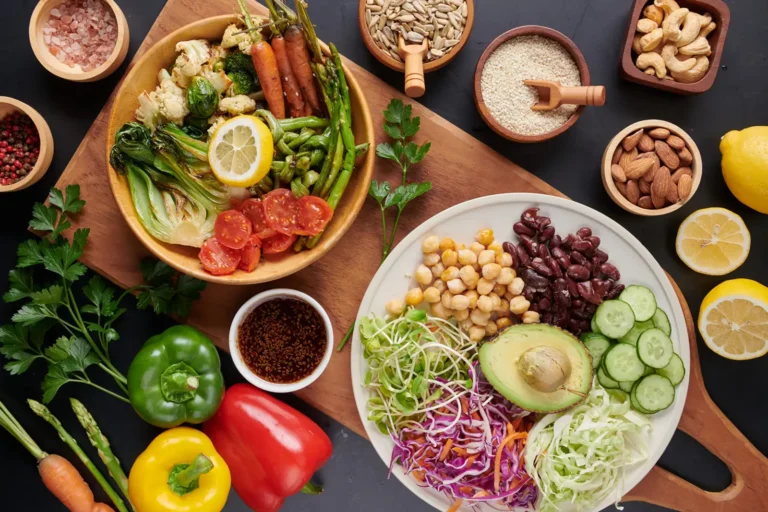
Polyphenol-rich plant foods are the most effective strategy for reducing oxidative burden — consistently superior to isolated antioxidant supplements in clinical trials. The Mediterranean diet’s cardiovascular benefits are in part mediated through its polyphenol content: extra-virgin olive oil (oleocanthal, hydroxytyrosol), berries (anthocyanins), dark chocolate (flavanols), green tea (EGCG), and colorful vegetables (carotenoids, quercetin, resveratrol). Target: 8–10 servings of varied vegetables and fruits daily, with emphasis on color diversity.
2. Aged Garlic Extract — Direct LDL Oxidation Inhibition
Aged garlic extract (AGE) is one of the few supplements with direct clinical evidence for reducing LDL oxidation. S-allylcysteine (SAC), AGE’s primary bioactive compound, inhibits LDL oxidation, reduces macrophage foam cell formation, and decreases oxidized LDL levels in clinical trials. A randomized trial found AGE slowed the progression of coronary artery calcium scores — a finding attributed in part to its antioxidant and anti-inflammatory properties. Standard dose: 600–1,200 mg daily. Precaution: potentiates anticoagulants.
3. CoQ10 — Mitochondrial Antioxidant
CoQ10 functions both as a mitochondrial electron carrier and as a fat-soluble antioxidant, protecting cell membranes and LDL from oxidative damage. Plasma CoQ10 levels correlate inversely with cardiovascular risk, and supplementation reduces oxidative stress markers and improves endothelial function in clinical trials. For statin users — where CoQ10 depletion is a direct pharmacological consequence — supplementation is particularly important. Standard dose: 100–400 mg daily of ubiquinol form.
4. Vitamin C and E — Synergistic Antioxidant Network
Vitamins C and E work synergistically: vitamin E (alpha-tocopherol) is the primary fat-soluble antioxidant protecting LDL from oxidation, and vitamin C regenerates oxidized vitamin E. Clinical trials of isolated vitamin E supplementation have shown mixed results — partly because supplementing without adequate vitamin C to regenerate it can paradoxically increase oxidized vitamin E (tocopheroxyl radical). The combination at physiological doses (vitamin C 500–1,000 mg and vitamin E 200–400 IU daily from mixed tocopherols) is more consistently effective than either alone.
5. N-Acetylcysteine (NAC) — Glutathione Precursor
Glutathione is the body’s most powerful endogenous antioxidant — but it cannot be absorbed intact as a supplement. NAC, the direct precursor to glutathione synthesis, is orally bioavailable and consistently raises intracellular glutathione levels. Clinical evidence supports NAC for reducing oxidative stress markers in patients with cardiovascular disease, diabetes, and kidney disease. It also reduces lipoprotein(a) by approximately 25% — one of very few interventions with evidence for Lp(a) reduction. Standard dose: 600–1,200 mg daily.
6. Exercise — Hormetic Oxidative Stress Adaptation
Exercise acutely generates ROS — but this controlled oxidative stress triggers an adaptive upregulation of endogenous antioxidant defenses (superoxide dismutase, catalase, glutathione peroxidase) that more than compensates for the acute increase. Regular aerobic exercise at moderate intensity produces a net reduction in resting oxidative stress and significantly improves endothelial function. High-intensity exercise without adequate recovery can paradoxically increase chronic oxidative burden — moderate intensity and adequate recovery are key.
The Integrative Cardiology Approach to Oxidative Stress
At Holistic Heart Centers, oxidative stress assessment is included in the complete cardiovascular evaluation — not as an add-on, but as a core component that changes treatment decisions. A patient with normal LDL but high oxidized LDL represents a different and more urgent clinical picture than standard panels suggest. Dr. Druz matches antioxidant interventions to the specific oxidative markers elevated — dietary polyphenol emphasis for high oxidized LDL, CoQ10 for mitochondrial markers and statin users, NAC for elevated Lp(a) and high hsCRP, and targeted supplement combinations based on the full oxidative biomarker panel.
Want to know your oxidative stress burden
The Step 1 Explore visit at Holistic Heart Centers includes oxidized LDL, hsCRP, and MPO assessment alongside standard cardiovascular testing.
Schedule a free strategy call →References
- Dhalla NS, Temsah RM, Netticadan T. Role of Oxidative Stress in Cardiovascular Diseases. J Hypertens. 2000;18(6):655-673.
- Rodrigo R, et al. Oxidative Stress and Pathophysiology of Ischemic Heart Disease. Curr Med Chem. 2011;18(32):5056-5063.
- Varshney R, Budoff MJ. Garlic and Heart Disease. J Nutr. 2016;146(2):416S-421S.
More Articles on Heart Disease
-
Can Diet Reverse Heart Disease?
Read more →: Can Diet Reverse Heart Disease?Heart Disease Diet can contribute to reversing heart disease, particularly when it addresses the root causes of atherosclerosis like inflammation, insulin resistance, and oxidative stress. Clinical trials have demonstrated measurable plaque regression with intensive dietary intervention. However, diet alone may not be sufficient for everyone, especially those with advanced disease, genetic risk factors, or significant…
-
What Causes Heart Disease?
Read more →: What Causes Heart Disease?Heart Disease Heart disease is caused by damage to the blood vessels and heart muscle that accumulates over time. While cholesterol often receives the most attention, the actual disease process is driven by a combination of chronic inflammation, metabolic dysfunction, oxidative stress, and arterial damage. These factors interact to create atherosclerosis, the buildup of plaque…
-
Why Is Heart Disease The Leading Cause Of Death?
Read more →: Why Is Heart Disease The Leading Cause Of Death?Heart Disease Heart disease remains the leading cause of death worldwide because it develops silently over decades, is driven by common modern lifestyle factors, and is often detected too late requiring invasive intervention. The cardiovascular system is uniquely vulnerable to the cumulative effects of inflammation, metabolic dysfunction, and arterial damage. Unlike many other diseases, heart…
See all Heart Disease articles → | Back to Heart Health Blog