
Heart Attack Prevention: Articles
Most heart attacks are predictable years in advance — if you measure the right markers. These articles cover advanced risk assessment, the tests standard checkups skip, and the root-cause strategies that prevent a first or recurrent event.
Browse related topics: Heart Disease → | Coronary Artery Disease → | High Cholesterol & Lp(a) → | See all conditions
92 articles on Heart Attack Prevention
-
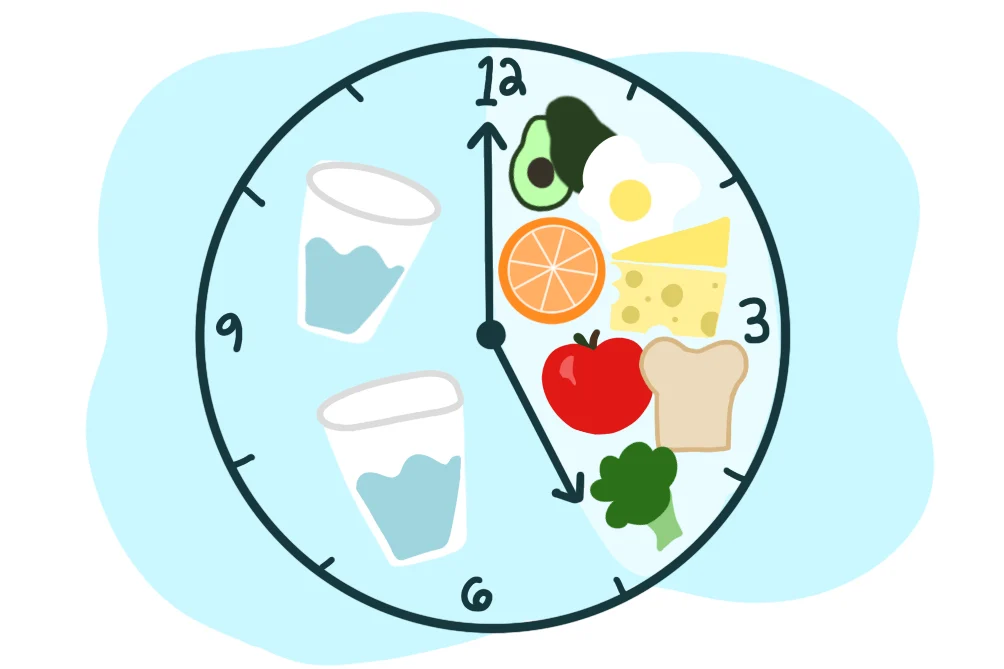
NIH Study
Read more →: NIH StudyHeart Attack PreventionHeart Disease Key Points ✓ Periodic fasting done for several consecutive days is shown to help anti-aging measures that offer additional health benefits. What to Know How To Prevent This Periodic fasting done for several consecutive days is shown to help anti-aging measures that offer additional health benefits. Periodic fasting rejuvenates the immune…
-
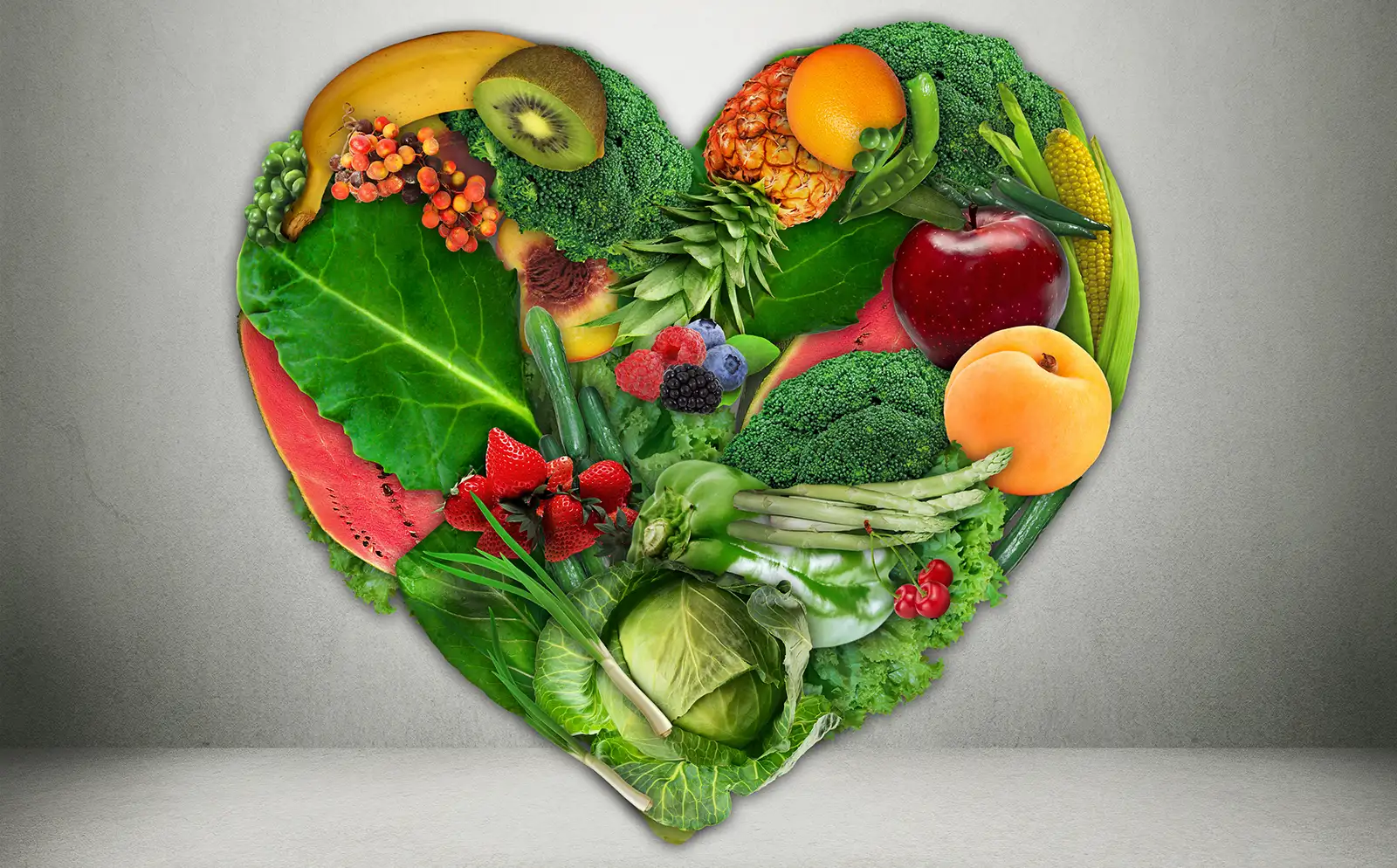
Foods To Eat For a Healthier Heart
Read more →: Foods To Eat For a Healthier HeartHeart Attack PreventionHeart Disease Leafy Greens: high in vitamin K and nitrates, it helps to reduce blood pressure and improve arterial function Whole Grains: helps to lower cholesterol and blood pressure Berries: rich in antioxidants, it helps to reduce multiple risk factors for heart problems Avocados: high in healthy fats and potassium, it helps to…
-

Is Cinnamon Good for Your Heart? What Cardiologists Know About the Evidence
Read more →: Is Cinnamon Good for Your Heart? What Cardiologists Know About the EvidenceHeart Attack PreventionHeart DiseaseHypertensionMetabolic Syndrome Is cinnamon good for your heart? The question gets asked more than almost any other about a single spice — and the clinical evidence is more substantial than most people realize. Cinnamon has documented effects on blood sugar, blood pressure, lipids, and inflammation that are directly relevant to cardiovascular health….
-

Improving Your Heart And Cardiovascular Health Holistically
Read more →: Improving Your Heart And Cardiovascular Health HolisticallyHeart Attack PreventionHeart DiseaseVascular Aging What Are the Benefits of Holistic Medicine? Who Should Engage in Holistic Treatments? Holistic integrative cardiologist This article was reviewed by Dr. Regina Druz, MD, MBA, FACC, FMCP-M — Board-Certified Integrative Cardiologist at Holistic Heart Centers, Roslyn, NY. This content is for educational purposes and does not substitute personalized medical…
-

Being Sedentary Is As Bad As Heart Disease: New Study Suggests
Read more →: Being Sedentary Is As Bad As Heart Disease: New Study SuggestsHeart Attack PreventionHeart Disease Key Points ✓ Fewer physical activities mean you’re burning fewer calories. The Internet Problem Sedentary Lifestyle Consequences of Living a Sedentary Lifestyle Fewer physical activities mean you’re burning fewer calories. This increases your chance of gaining weight. Inactive muscle overtime loses its strength if the muscle is not being activated enough….
-

How To Tell You’ve Healed Your Inflammation
Read more →: How To Tell You’ve Healed Your InflammationHeart Attack PreventionHeart Disease Key Points ✓ Fatigue ✓ You no longer suffer from gas, bloating, or constipation Symptoms of inflammation: Fatigue Chest pain Abdominal pain Joint pain Frequent swelling Rashes Signs of inflammation healing: You no longer suffer from gas, bloating, or constipation Your skin issues are clearing up Your metabolism is speeding up…
-
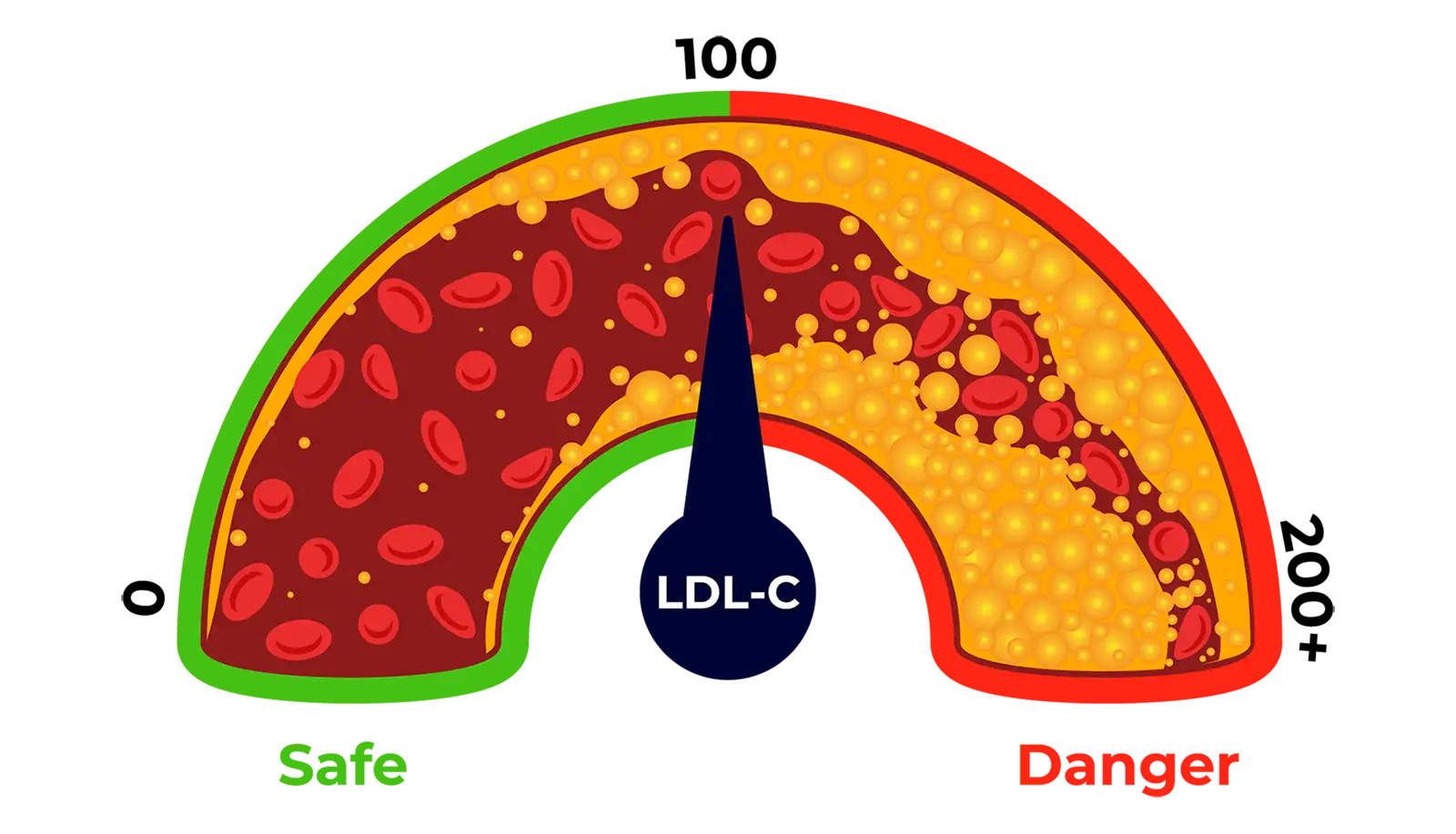
Having High LDL Raises Risk For A Cardiac Event
Read more →: Having High LDL Raises Risk For A Cardiac EventCoronary Artery DiseaseHeart Attack PreventionHeart DiseaseHigh Cholesterol & Lp(a) Key Points ✓ Age What is LDL? What LDL Test Results Mean Age Cholesterol level Blood pressure Whether you’re a smoker/non-smoker Whether you do/do not take blood pressure medicine How to lower your cholesterol Holistic integrative cardiologist This article was reviewed by Dr. Regina Druz, MD,…
-

Hormonal Imbalances and Your Diet
Read more →: Hormonal Imbalances and Your DietHeart Attack PreventionHeart Disease Three Hormones that Affect Your Diet Estrogen and Androgens (including testosterone/DHEA) – Certain medications, liver abnormalities, and use of drugs and alcohol can cause increased estrogen levels that lead to hair loss, bloating, and increased weight. Symptoms of high estrogen include memory loss, headaches, mood swings, decreased sex drive, and fatigue….
-
Is Aspirin An Effective Intervention For Cardiac Risk Patients? A Recent Study Explored:
Read more →: Is Aspirin An Effective Intervention For Cardiac Risk Patients? A Recent Study Explored:Heart Attack PreventionHeart Disease The results This article was reviewed by Dr. Regina Druz, MD, MBA, FACC, FMCP-M — Board-Certified Integrative Cardiologist at Holistic Heart Centers, Roslyn, NY. This content is for educational purposes and does not substitute personalized medical advice. More Articles on Heart Disease See all Heart Disease articles → | Back to…
-
Heart-Healthy Supplements and Benefits
Read more →: Heart-Healthy Supplements and BenefitsHeart Attack PreventionHeart Disease Coenzyme Q10: Increasing your levels of this enzyme, which the body makes naturally, is a great, natural way to lower your blood pressure! Sterols & Stanols: These vital supplements help keep your body from absorbing harmful cholesterols from food. Garlic: This supplement can lower blood pressure and lower your risk of…
-

Utilizing Technology for Better Sleep
Read more →: Utilizing Technology for Better SleepHeart Attack PreventionHeart Disease Depression and Anxiety:Studies have shown that those who miss out on sleep are five times more likely to suffer from anxiety and depression. Memory Loss and Mental Fog: Your brain needs sleep to keep up its strength. Otherwise, say hello to memory issues, confusion, and trouble focusing. Accidents: Whether you operate…
-

Menopause and Heart Health
Read more →: Menopause and Heart HealthHeart Attack PreventionHeart DiseaseMenopausal Heart Diabetes High blood pressure Obesity Inactive lifestyle Family history of heart disease Smoking High LDL Low HDL Fruits and vegetables Whole grains Low-fat dairy products Fish and poultry Nuts A limit on red meat intake Avoid smoking Maintain a healthy, normal body weight Exercise at least 150 minutes each week…
Prevent the Heart Attack You Can See Coming.
The drivers behind heart attack prevention — inflammation, insulin resistance, oxidative stress, hormonal shifts — are identifiable and addressable. The HeartWell Step 1 Explore visit uncovers what is driving yours and builds a plan to address it.