Maintaining a healthy lifestyle during the holidays

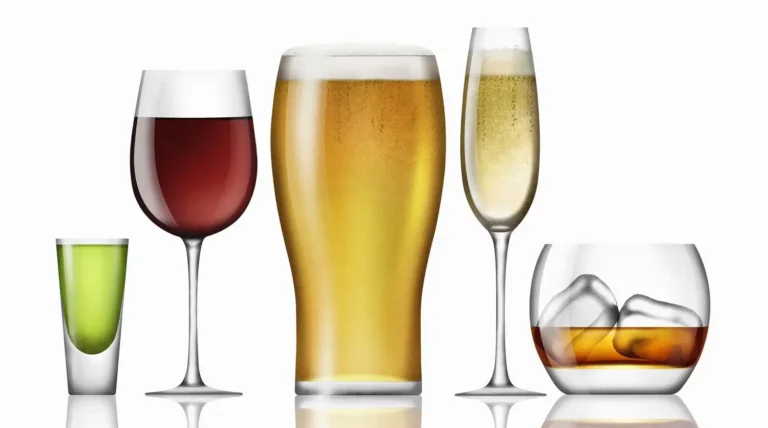
Holiday drinks like eggnog can have up to 500 calories, with other alcoholic beverages having anywhere from 125-250 calories.
Healthy Tips:
- Make Swaps in Recipes– You can swap out many different parts of your recipes for healthier options without losing much of the flavor holiday meals bring. Options like using low-sodium broth or canned items, low-fat versions of ingredients, skim-milk over whole milk or heavy cream, applesauce and canola oil instead of butter when baking, or whole foods over processed whenever possible are just a few examples of swaps you can do to upgrade the health of your meals without giving up on flavor. Making swaps like this where you can cut down on the calories, sodium, and fat of many of your holiday meals.
- Stay Hydrated– drinking more water, especially during meals or gatherings, is linked to fewer calories and sugar consumption. Staying hydrated helps prevent overeating, but additionally, choosing to drink water over other sugary or high-calorie drinks helps stay within a healthy lifestyle. In general, drinking fewer calories is always a better option, so sticking to water over sodas, juices, or other drinks will help maintain your health.
- Avoid Drinking Alcohol Whenever Possible– Avoiding alcoholic beverages is a key component of maintaining a healthy lifestyle. For starters, alcohol is an inflammatory, meaning the consumption of it will promote chronic inflammation within your body. While everyone should be aware of this, it is even more important for people who suffer from chronic diseases! Also, consuming alcohol will more than likely lead to overeating. The more we drink, the more likely our inhibitions are reduced, leading to poor choices when it comes to food. Typically we would suggest that you avoid alcohol altogether, but if you are going to have a drink this holiday season, you can follow some of these tips. Holiday drinks like eggnog can have up to 500 calories, with other alcoholic beverages having anywhere from 125-250 calories. If you do drink, keep in mind that these are empty calories you are consuming. Drinking water or seltzer between drinks will help you stay on track while still enjoying the holiday drinks you love. Additionally, avoid drinking on an empty stomach as it increases your appetite and makes you prone to overeating on less healthy options.
- Avoid Overeating– With all the different options during the holiday season, it can be easy to stuff down all the different delicious foods there are, but overeating will have a negative affect on your body and make you feel worse the following day. To avoid overeating, don’t go to parties or gatherings hungry, and try to snack or have a small meal before. When eating, try to take medium size portions and wait about 10 minutes before going back for more, as it takes time for your brain to register the food you ate. You may not be as hungry as you think after you eat, so giving it time will give you a better perspective. Additionally, take your time while eating. While you may have the urge to stuff down all that delicious food, eating slowly prevents overeating and leaves you feeling more satisfied after meals.
- Stay Active– Dancing at parties and going for family walks are just two examples of how you can continue to stay active during events and gatherings. Walk around and talk to people before going to snack or having your next drink, simple steps like this will keep you active and help maintain your health during holiday events throughout the season.
How can we help?
More Articles on Heart Disease
-
Can Diet Reverse Heart Disease?
Read more →: Can Diet Reverse Heart Disease?Heart Disease Diet can contribute to reversing heart disease, particularly when it addresses the root causes of atherosclerosis like inflammation, insulin resistance, and oxidative stress. Clinical trials have demonstrated measurable plaque regression with intensive dietary intervention. However, diet alone may not be sufficient for everyone, especially those with advanced disease, genetic risk factors, or significant…
-
What Causes Heart Disease?
Read more →: What Causes Heart Disease?Heart Disease Heart disease is caused by damage to the blood vessels and heart muscle that accumulates over time. While cholesterol often receives the most attention, the actual disease process is driven by a combination of chronic inflammation, metabolic dysfunction, oxidative stress, and arterial damage. These factors interact to create atherosclerosis, the buildup of plaque…
-
Why Is Heart Disease The Leading Cause Of Death?
Read more →: Why Is Heart Disease The Leading Cause Of Death?Heart Disease Heart disease remains the leading cause of death worldwide because it develops silently over decades, is driven by common modern lifestyle factors, and is often detected too late requiring invasive intervention. The cardiovascular system is uniquely vulnerable to the cumulative effects of inflammation, metabolic dysfunction, and arterial damage. Unlike many other diseases, heart…
See all Heart Disease articles → | Back to Heart Health Blog