Omega-3 Fatty Acids and Heart Health: Evidence, Dosing, and the REDUCE-IT Trial Explained

Omega-3 fatty acids for heart health represent the most extensively studied cardiovascular supplement category — with a body of evidence spanning decades, multiple large randomized outcomes trials, and a prescription-only formulation approved by the FDA for cardiovascular risk reduction. EPA and DHA are not interchangeable wellness supplements. They are pharmacologically active compounds with specific, measurable effects on triglycerides, inflammation, platelet function, and cardiac electrophysiology. This guide covers what the evidence shows, what doses matter, and what the difference between dietary fish and supplementation means clinically.
The omega-3 fatty acids relevant to cardiovascular health are EPA (eicosapentaenoic acid) and DHA (docosahexaenoic acid) — long-chain marine-derived fatty acids found in fatty fish and fish oil.
Omega-3 fatty acids at therapeutic doses (2–4 grams EPA+DHA daily) reduce triglycerides by 20–50% — the most effective non-prescription intervention for hypertriglyceridemia.
Dietary fish provides approximately 0.5–1 gram of EPA+DHA per serving of fatty fish — meaningful but below therapeutic doses for lipid and inflammatory intervention.
What Are Omega-3 Fatty Acids?
The omega-3 fatty acids relevant to cardiovascular health are EPA (eicosapentaenoic acid) and DHA (docosahexaenoic acid) — long-chain marine-derived fatty acids found in fatty fish and fish oil. ALA (alpha-linolenic acid), found in flaxseed and walnuts, is a plant-derived omega-3 but converts to EPA and DHA at less than 10% efficiency in the body — it does not meaningfully replicate the cardiovascular effects of direct EPA and DHA intake. For cardiovascular purposes, the relevant sources are fatty fish (salmon, sardines, mackerel, herring, anchovies) and EPA+DHA supplements.
Omega-3 Benefits for Heart Health: The Evidence
Triglyceride Reduction — The Strongest Effect
Omega-3 fatty acids at therapeutic doses (2–4 grams EPA+DHA daily) reduce triglycerides by 20–50% — the most effective non-prescription intervention for hypertriglyceridemia. The mechanism involves reduced VLDL synthesis in the liver and increased triglyceride clearance. At triglyceride levels above 500 mg/dL (where pancreatitis risk is high), prescription omega-3s (Lovaza, Vascepa) are an evidence-based pharmacologic option. At levels of 200–500 mg/dL, high-dose fish oil supplementation with quality-tested products is effective.
REDUCE-IT Trial — Cardiovascular Outcomes Evidence
The REDUCE-IT trial randomized 8,179 statin-treated patients with elevated triglycerides to icosapentaenoic acid (EPA only, 4 grams daily) or placebo and followed them for 4.9 years. The EPA group had a 25% relative risk reduction in major cardiovascular events (heart attack, stroke, cardiovascular death, revascularization) and a 20% reduction in cardiovascular mortality. This is landmark outcomes data. The pure EPA preparation (Vascepa) performed better than earlier trials using EPA+DHA combinations — suggesting EPA and DHA may have different cardiovascular effects, with EPA showing stronger plaque-stabilizing properties.
Anti-Inflammatory Effects
EPA and DHA are precursors to specialized pro-resolving mediators (resolvins, protectins, maresins) — lipid molecules that actively resolve inflammation rather than merely suppressing it. This is a qualitatively different mechanism from NSAIDs or statins. Omega-3 supplementation consistently reduces hsCRP, IL-6, TNF-alpha, and other inflammatory markers. In patients with high inflammatory cardiovascular risk (elevated hsCRP, known inflammatory conditions), this anti-inflammatory mechanism provides additive benefit to lipid reduction.
Blood Pressure
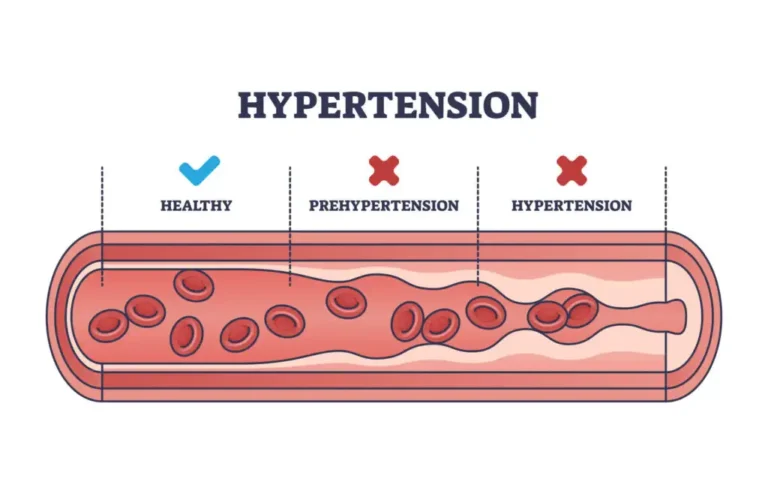
A meta-analysis of 70 randomized trials found omega-3 supplementation reduced systolic blood pressure by 2.6 mmHg and diastolic by 1.8 mmHg across all doses, with effects scaling with dose. At 3 grams or more daily, systolic reductions of 4–5 mmHg are consistently seen. The mechanism involves improved endothelial function and vasodilation through EPA and DHA’s effects on nitric oxide production and arachidonic acid metabolism.
Cardiac Electrophysiology — Arrhythmia Risk
EPA and DHA incorporate into cardiac cell membrane phospholipids and modulate ion channel function — stabilizing the cardiac electrical membrane and reducing ventricular arrhythmia susceptibility. Omega-3 index (the percentage of EPA+DHA in red blood cell membranes) is an emerging cardiovascular biomarker; an omega-3 index below 4% is associated with significantly higher sudden cardiac death risk, while an index above 8% is associated with the lowest risk. At Holistic Heart Centers, omega-3 index is measured and used to guide supplementation targets.
Dosing and Quality Considerations
Dietary fish provides approximately 0.5–1 gram of EPA+DHA per serving of fatty fish — meaningful but below therapeutic doses for lipid and inflammatory intervention. Therapeutic doses require supplementation: 1–2 grams EPA+DHA daily for general cardiovascular support, 2–4 grams for triglyceride reduction, and 4 grams for the REDUCE-IT-level cardiovascular risk reduction (typically requires prescription EPA). Quality matters critically — fish oil oxidizes readily, and rancid fish oil may be pro-inflammatory rather than anti-inflammatory. Look for products with third-party testing for oxidation (TOTOX score below 26), heavy metals, and PCBs. Triglyceride-form fish oil (versus ethyl ester form) has superior absorption at lower doses.
When to See a Doctor About Omega-3 Supplementation
Omega-3 fatty acids at standard doses (up to 3 grams daily) are safe for most people, though they may modestly prolong bleeding time — relevant for patients on anticoagulants or planning surgery. At higher doses or in combination with antiplatelet agents, physician review is appropriate. For patients with triglycerides above 500 mg/dL, prescription omega-3 therapy with physician oversight is the standard of care. Omega-3 index testing can guide supplementation goals more precisely than symptoms or standard lipid panels.
Want your omega-3 index measured and a personalized protocol
The Step 1 Explore visit includes omega-3 index testing alongside comprehensive cardiovascular biomarker assessment.
Schedule a free strategy call →References
- Bhatt DL, et al. Cardiovascular Risk Reduction with Icosapentaenoic Acid (REDUCE-IT). N Engl J Med. 2019;380(1):11-22.
- Miller PE, et al. Long-Chain Omega-3 Fatty Acids and Blood Pressure. Am J Hypertens. 2014;27(7):885-896.
- Harris WS, et al. Omega-3 Fatty Acids and Coronary Heart Disease Risk. Am J Cardiol. 2007;99(6A):44C-46C.
More Articles on Heart Disease
-
Can Diet Reverse Heart Disease?
Read more →: Can Diet Reverse Heart Disease?Heart Disease Diet can contribute to reversing heart disease, particularly when it addresses the root causes of atherosclerosis like inflammation, insulin resistance, and oxidative stress. Clinical trials have demonstrated measurable plaque regression with intensive dietary intervention. However, diet alone may not be sufficient for everyone, especially those with advanced disease, genetic risk factors, or significant…
-
What Causes Heart Disease?
Read more →: What Causes Heart Disease?Heart Disease Heart disease is caused by damage to the blood vessels and heart muscle that accumulates over time. While cholesterol often receives the most attention, the actual disease process is driven by a combination of chronic inflammation, metabolic dysfunction, oxidative stress, and arterial damage. These factors interact to create atherosclerosis, the buildup of plaque…
-
Why Is Heart Disease The Leading Cause Of Death?
Read more →: Why Is Heart Disease The Leading Cause Of Death?Heart Disease Heart disease remains the leading cause of death worldwide because it develops silently over decades, is driven by common modern lifestyle factors, and is often detected too late requiring invasive intervention. The cardiovascular system is uniquely vulnerable to the cumulative effects of inflammation, metabolic dysfunction, and arterial damage. Unlike many other diseases, heart…
See all Heart Disease articles → | Back to Heart Health Blog