Glycocalyx: Hype or Hope? An Integrative Cardiologist Evaluates the Evidence
The glycocalyx — a gel-like layer of proteoglycans and glycoproteins coating the inner surface of every blood vessel — has attracted significant attention in cardiovascular medicine in recent years, particularly around the supplement Arterosil HP, which claims to support glycocalyx integrity. As an integrative cardiologist, Dr. Regina Druz, MD, MBA, FACC, FMCP-M evaluates new cardiovascular interventions by the same standard: mechanism, clinical evidence quality, and realistic clinical utility. Here is an honest assessment of where the glycocalyx science currently stands and what it means clinically.
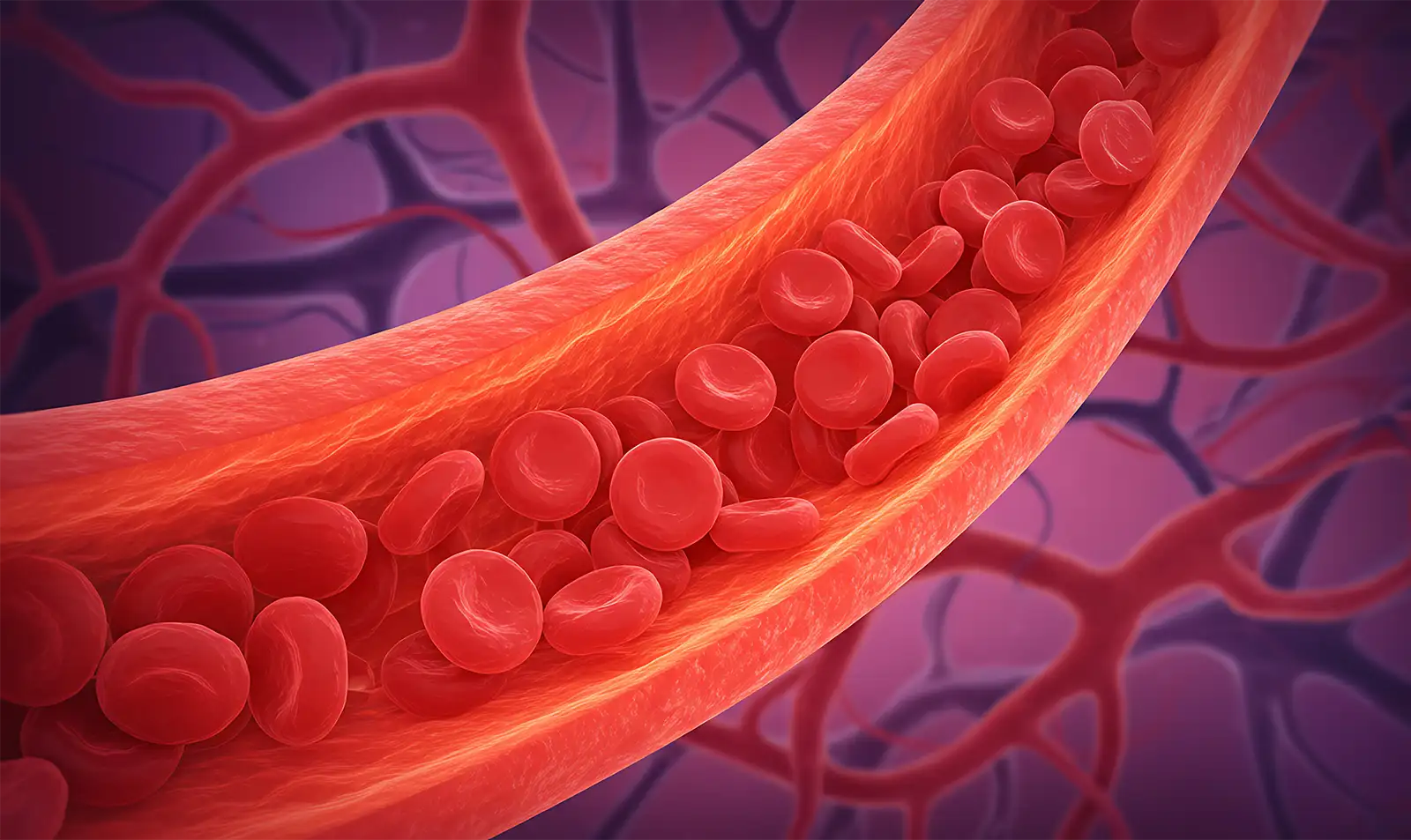
The endothelial glycocalyx is a dynamic, mesh-like layer 0.5–4.5 micrometers thick that lines the luminal surface of all blood vessels.
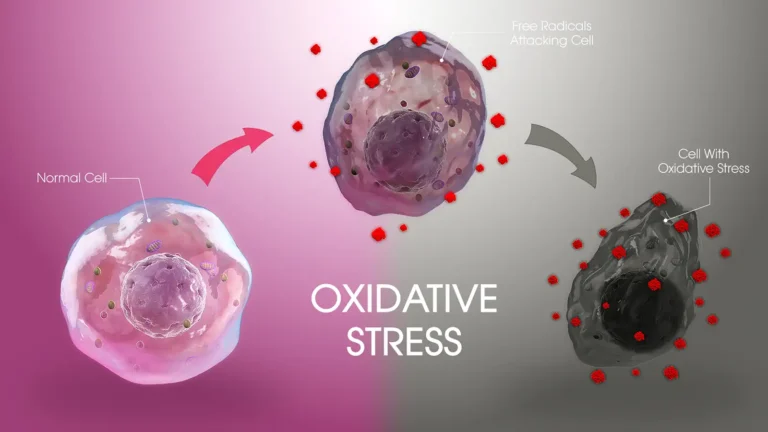
Glycocalyx degradation — driven by oxidative stress, hyperglycemia, inflammation, smoking, and dyslipidemia — removes this protective barrier and exposes the underlying endothelium to atherosclerotic insults.
The strongest available evidence is a 2019 pilot study showing improved glycocalyx dimensions measured by GlycoCheck technology in patients taking Arterosil, with secondary improvements in blood pressure and…
Hyperglycemia control — maintaining fasting glucose below 100 mg/dL and HbA1c below 5.7% — is the most important intervention, as hyperglycemia is the most potent driver of enzymatic…
What Is the Glycocalyx?
The endothelial glycocalyx is a dynamic, mesh-like layer 0.5–4.5 micrometers thick that lines the luminal surface of all blood vessels. It is composed of glycoproteins, proteoglycans (particularly heparan sulfate and chondroitin sulfate), and hyaluronic acid, anchored to the endothelial cell surface. The glycocalyx functions as a mechanosensor for blood flow (triggering nitric oxide production in response to shear stress), a charge barrier against LDL and other atherogenic particles entering the vessel wall, an anti-adhesion surface preventing platelet and white blood cell attachment, and a regulator of vascular permeability.
How Glycocalyx Damage Contributes to Cardiovascular Disease
Glycocalyx degradation — driven by oxidative stress, hyperglycemia, inflammation, smoking, and dyslipidemia — removes this protective barrier and exposes the underlying endothelium to atherosclerotic insults. Animal studies and ex vivo human tissue studies consistently show glycocalyx shedding precedes LDL entry into the arterial wall and foam cell formation. Clinical studies using sidestream dark-field microscopy to visualize glycocalyx thickness in sublingual capillaries have found reduced glycocalyx dimensions in patients with coronary artery disease, diabetes, hypertension, and chronic kidney disease — suggesting it is a relevant marker of vascular health.
Arterosil HP: What the Evidence Shows
Arterosil HP is a patented supplement containing rhamnan sulfate — a sulfated polysaccharide extracted from the sea plant Monostroma nitidum — claimed to support glycocalyx regeneration by providing structural substrates for glycocalyx assembly. The preclinical rationale is mechanistically plausible: rhamnan sulfate is structurally similar to heparan sulfate, a key glycocalyx component, and in vitro studies show it can incorporate into the glycocalyx layer and restore barrier function in damaged endothelial cells. Human clinical evidence, however, remains limited. The published clinical data consists primarily of small pilot studies and observational data — not large randomized controlled trials. The strongest available evidence is a 2019 pilot study showing improved glycocalyx dimensions measured by GlycoCheck technology in patients taking Arterosil, with secondary improvements in blood pressure and endothelial function markers. This is promising but not definitive — larger, placebo-controlled trials are needed before firm clinical conclusions can be drawn.
What Does Support Glycocalyx Health? The Evidence Base
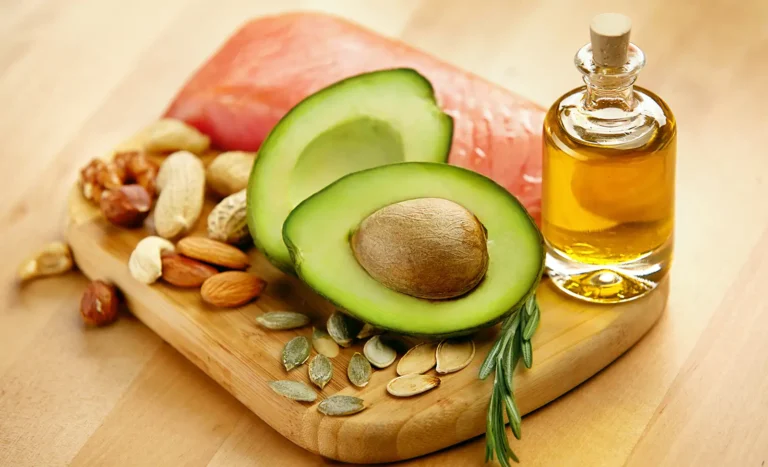
The most evidence-based strategies for glycocalyx preservation and regeneration address the primary drivers of glycocalyx degradation directly. Hyperglycemia control — maintaining fasting glucose below 100 mg/dL and HbA1c below 5.7% — is the most important intervention, as hyperglycemia is the most potent driver of enzymatic glycocalyx shedding via heparanase activation. Oxidative stress reduction through dietary antioxidants, CoQ10, and NAC removes the primary oxidative trigger for glycocalyx breakdown. Smoking cessation immediately begins glycocalyx recovery — smoking is a direct and potent glycocalyx-degrading exposure. Exercise-induced shear stress — the mechanical force of blood flowing through vessels — is the primary physiological signal for glycocalyx regeneration and thickening. Blood pressure control reduces the mechanical shear damage that degrades glycocalyx components. And omega-3 fatty acids have demonstrated direct glycocalyx-supporting effects in clinical studies, improving glycocalyx dimensions in patients with coronary artery disease.
The Integrative Cardiology Verdict on Glycocalyx Supplementation
The glycocalyx is a legitimate and important cardiovascular structure — not wellness marketing. Glycocalyx damage is a real early event in atherosclerosis that precedes measurable lipid changes. The interventions with the strongest evidence for protecting it — blood sugar control, oxidative stress reduction, exercise, omega-3s, blood pressure management — are the same foundational cardiovascular interventions indicated for multiple other mechanisms of risk reduction. Arterosil HP has a plausible mechanism and preliminary clinical signal, but the evidence does not yet meet the standard for a confident clinical recommendation — the studies are small, lacked placebo controls, and used surrogate endpoints. Dr. Druz monitors this research actively and will update her clinical recommendations as higher-quality evidence emerges. For now, the patients who need to focus on glycocalyx health are best served by optimizing the fundamentals — glucose, oxidative stress, blood pressure, and omega-3 status.
Want your vascular health and glycocalyx risk factors assessed
The Step 1 Explore visit includes oxidized LDL, fasting insulin, omega-3 index, and advanced endothelial function markers alongside complete cardiovascular evaluation.
Schedule a free strategy call →References
- Reitsma S, et al. The Endothelial Glycocalyx: Composition, Functions, and Visualization. Pflugers Arch. 2007;454(3):345-359.
- Broekhuizen LN, et al. Effect of Sulodexide on Endothelial Glycocalyx and Vascular Permeability in Patients with Type 2 Diabetes Mellitus. Diabetologia. 2010;53(12):2646-2655.
- Lattimer CR, et al. Rhamnan Sulphate and the Endothelial Glycocalyx. Phlebology. 2021;36(2):128-138.
More Articles on Heart Disease
-
Can Diet Reverse Heart Disease?
Read more →: Can Diet Reverse Heart Disease?Heart Disease Diet can contribute to reversing heart disease, particularly when it addresses the root causes of atherosclerosis like inflammation, insulin resistance, and oxidative stress. Clinical trials have demonstrated measurable plaque regression with intensive dietary intervention. However, diet alone may not be sufficient for everyone, especially those with advanced disease, genetic risk factors, or significant…
-
What Causes Heart Disease?
Read more →: What Causes Heart Disease?Heart Disease Heart disease is caused by damage to the blood vessels and heart muscle that accumulates over time. While cholesterol often receives the most attention, the actual disease process is driven by a combination of chronic inflammation, metabolic dysfunction, oxidative stress, and arterial damage. These factors interact to create atherosclerosis, the buildup of plaque…
-
Why Is Heart Disease The Leading Cause Of Death?
Read more →: Why Is Heart Disease The Leading Cause Of Death?Heart Disease Heart disease remains the leading cause of death worldwide because it develops silently over decades, is driven by common modern lifestyle factors, and is often detected too late requiring invasive intervention. The cardiovascular system is uniquely vulnerable to the cumulative effects of inflammation, metabolic dysfunction, and arterial damage. Unlike many other diseases, heart…
See all Heart Disease articles → | Back to Heart Health Blog