Controlling your Cholesterol

Omega-3 fatty acids: While omega-3 fatty acids don’t directly affect your bad cholesterol levels, consuming more of it is linked with many heart health-related benefits.
What is cholesterol and why does it matter?
How can you control your cholesterol?
- Diet adjustments – Lifestyle adjustments to your diet can create a large improvement in your cholesterol levels and overall heart health. There are many aspects of your diet you can adjust to help moderate your cholesterol, such as the following:
- Saturated fats: Reducing saturated fats decreases your overall cholesterol levels. Saturated fats are primarily found in red meats and full-fat dairy products.
- Trans fats: These fats also raise cholesterol levels and have other negative impacts on your overall health. Often listed as partially hydrogenated vegetable oil in ingredient lists, trans fat is found in margarine and store-bought baked goods.
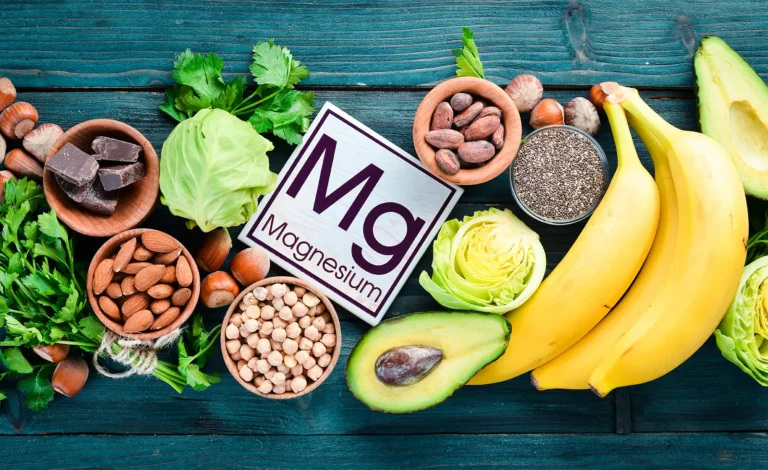
- Omega-3 fatty acids: While omega-3 fatty acids don’t directly affect your bad cholesterol levels, consuming more of it is linked with many heart health-related benefits. Reducing blood-pressure being one of the primary benefits. These are found in certain fish, nuts, and seeds.
- Soluble fibers: Soluble fibers help your body naturally deal with cholesterol from foods. They reduce the amount of cholesterol absorbed into your blood from your consumption. These fibers are often found in oatmeal, certain fruits like apples, kidney beans, and brussels sprouts.
- Exercising: Exercising 2 ½ hours a week, or 30 minutes a day 5 days a week, has proven to reduce LDL, the bad cholesterol, and increase HDL, the good cholesterol. If moderate physical activity is not something you can sustain, then activities such as walking or riding a bike have also been shown to reduce LDL levels.
- Weight control: If you are just moderately overweight, then losing just a few pounds can make a great deal of improvement on your LDL levels. However, obesity can cause many health complications that compound with cholesterol issues. Just adjusting your diet and staying active, as previously mentioned, will help you start to get on track for any amount of weight loss. This may reduce your LDL levels and may even increase your HDL levels as well.
- Smoking and alcohol: Smoking and excessive alcohol consumption are both known to lead to serious health problems. Some of which are high blood pressure, heart attacks, and strokes. Quitting smoking has also been shown to yield an immediate increase in HDL levels and overall improvement of cholesterol levels. If you drink, drinking in moderation also has shown an increase in HDL and an overall improvement of cholesterol levels.
Visit a cardiologist specialist:
More Articles on Heart Disease
-
Can Diet Reverse Heart Disease?
Read more →: Can Diet Reverse Heart Disease?Heart Disease Diet can contribute to reversing heart disease, particularly when it addresses the root causes of atherosclerosis like inflammation, insulin resistance, and oxidative stress. Clinical trials have demonstrated measurable plaque regression with intensive dietary intervention. However, diet alone may not be sufficient for everyone, especially those with advanced disease, genetic risk factors, or significant…
-
What Causes Heart Disease?
Read more →: What Causes Heart Disease?Heart Disease Heart disease is caused by damage to the blood vessels and heart muscle that accumulates over time. While cholesterol often receives the most attention, the actual disease process is driven by a combination of chronic inflammation, metabolic dysfunction, oxidative stress, and arterial damage. These factors interact to create atherosclerosis, the buildup of plaque…
-
Why Is Heart Disease The Leading Cause Of Death?
Read more →: Why Is Heart Disease The Leading Cause Of Death?Heart Disease Heart disease remains the leading cause of death worldwide because it develops silently over decades, is driven by common modern lifestyle factors, and is often detected too late requiring invasive intervention. The cardiovascular system is uniquely vulnerable to the cumulative effects of inflammation, metabolic dysfunction, and arterial damage. Unlike many other diseases, heart…
See all Heart Disease articles → | Back to Heart Health Blog