
Heart Disease: Articles
Heart disease remains the leading cause of death in the United States — yet much of it is preventable and, in some cases, partially reversible when the underlying drivers are properly identified and addressed. These articles go beyond the standard risk-factor checklist to explore mechanisms, missed tests, and integrative interventions that can change the trajectory of cardiovascular disease.
Browse related topics: Heart Attack Prevention → | Coronary Artery Disease → | High Cholesterol & Lp(a) → | See all conditions
171 articles on Heart Disease
-
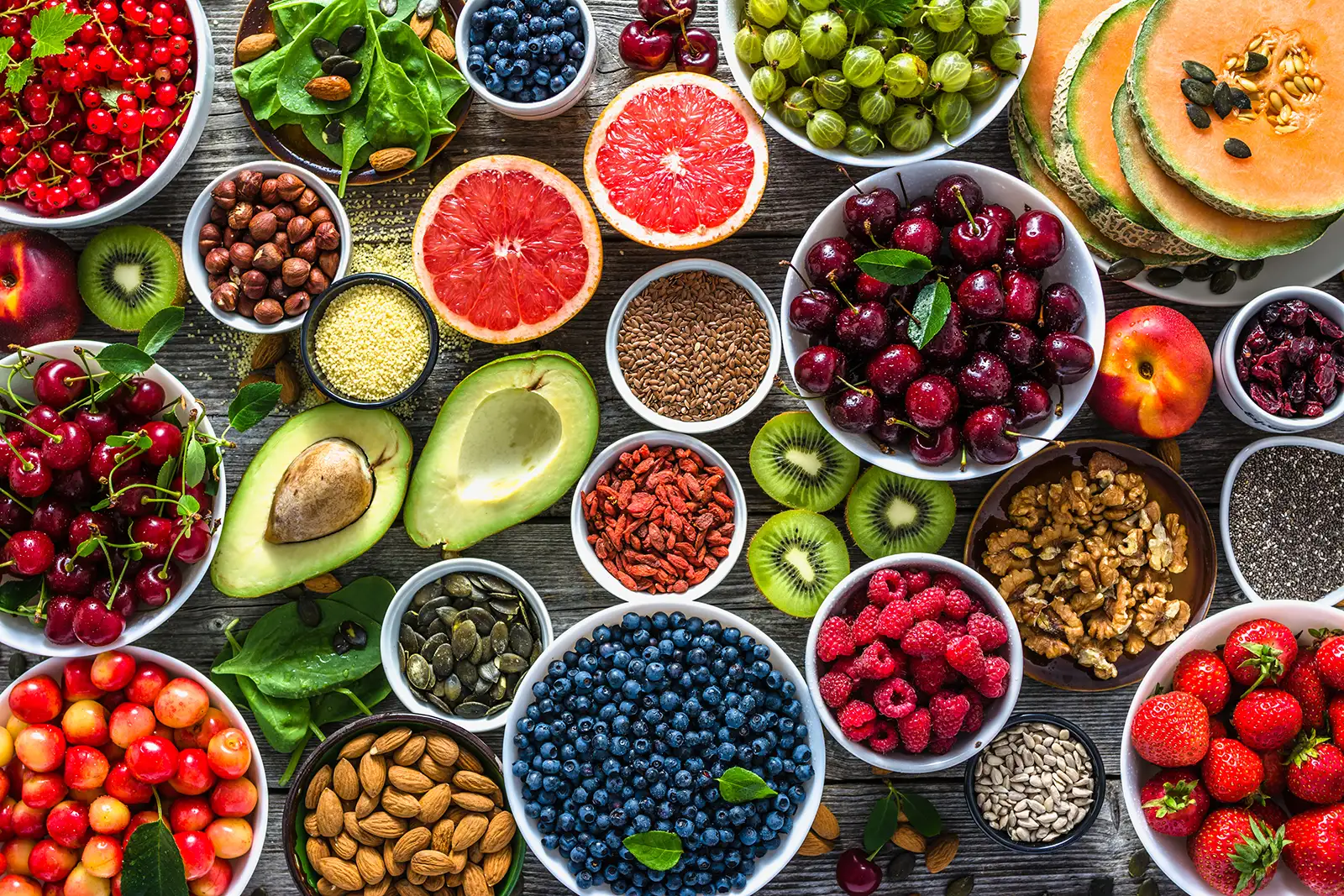
Can Diet Reverse Heart Disease?
Read more →: Can Diet Reverse Heart Disease?Heart Disease Diet can contribute to reversing heart disease, particularly when it addresses the root causes of atherosclerosis like inflammation, insulin resistance, and oxidative stress. Clinical trials have demonstrated measurable plaque regression with intensive dietary intervention. However, diet alone may not be sufficient for everyone, especially those with advanced disease, genetic risk factors, or significant…
-
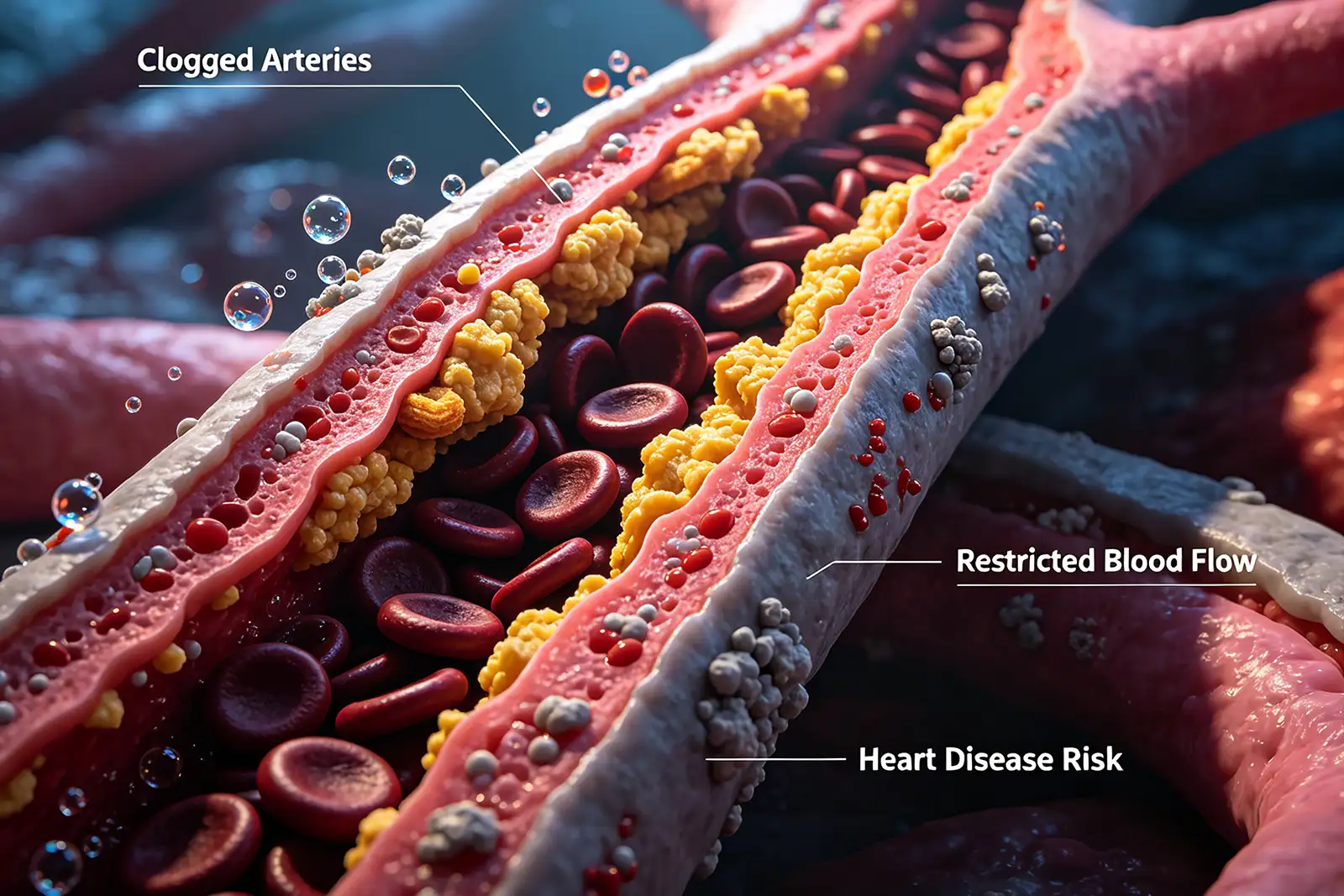
What Causes Heart Disease?
Read more →: What Causes Heart Disease?Heart Disease Heart disease is caused by damage to the blood vessels and heart muscle that accumulates over time. While cholesterol often receives the most attention, the actual disease process is driven by a combination of chronic inflammation, metabolic dysfunction, oxidative stress, and arterial damage. These factors interact to create atherosclerosis, the buildup of plaque…
-
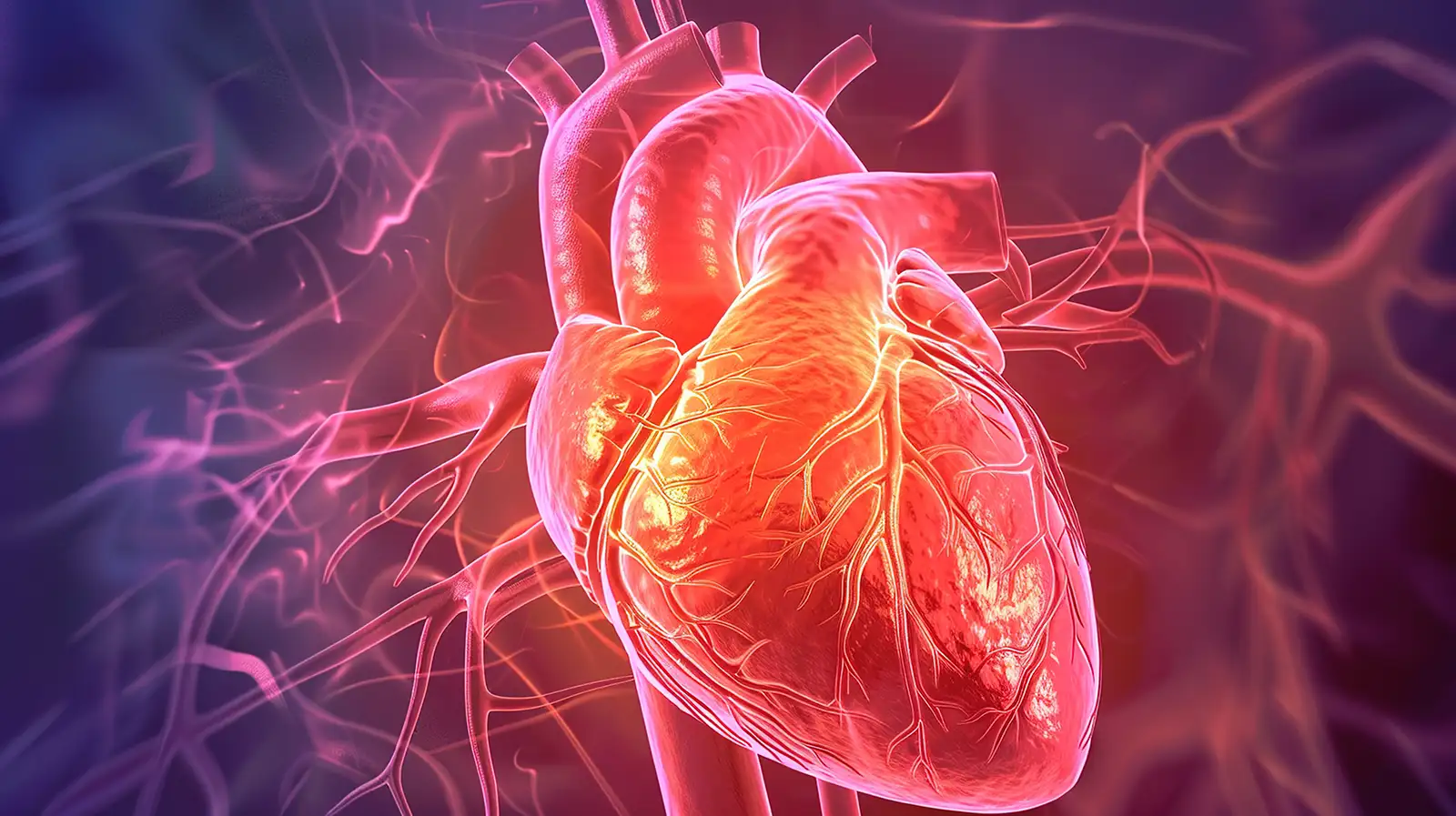
Why Is Heart Disease The Leading Cause Of Death?
Read more →: Why Is Heart Disease The Leading Cause Of Death?Heart Disease Heart disease remains the leading cause of death worldwide because it develops silently over decades, is driven by common modern lifestyle factors, and is often detected too late requiring invasive intervention. The cardiovascular system is uniquely vulnerable to the cumulative effects of inflammation, metabolic dysfunction, and arterial damage. Unlike many other diseases, heart…
-

Can Heart Disease Be Reversed?
Read more →: Can Heart Disease Be Reversed?Heart Disease Heart disease can be partially reversed in many cases, particularly when the underlying drivers are identified and addressed early. While advanced structural damage like severe calcification or scarring cannot be undone, the processes that cause heart disease to progress, including inflammation, insulin resistance, and endothelial dysfunction, can often be slowed, stopped, or improved….
-

Sleep and Heart Health: Why Poor Sleep Is a Cardiovascular Risk Factor
Read more →: Sleep and Heart Health: Why Poor Sleep Is a Cardiovascular Risk FactorArrhythmiasHeart Attack PreventionHeart DiseaseHypertension Sleep and heart health are connected through mechanisms that are direct, measurable, and increasingly well-understood. Poor sleep is not just a risk factor — it is an active driver of cardiovascular disease, operating through the same biological pathways as smoking, hypertension, and dyslipidemia. Yet sleep quality is rarely systematically evaluated in…
-
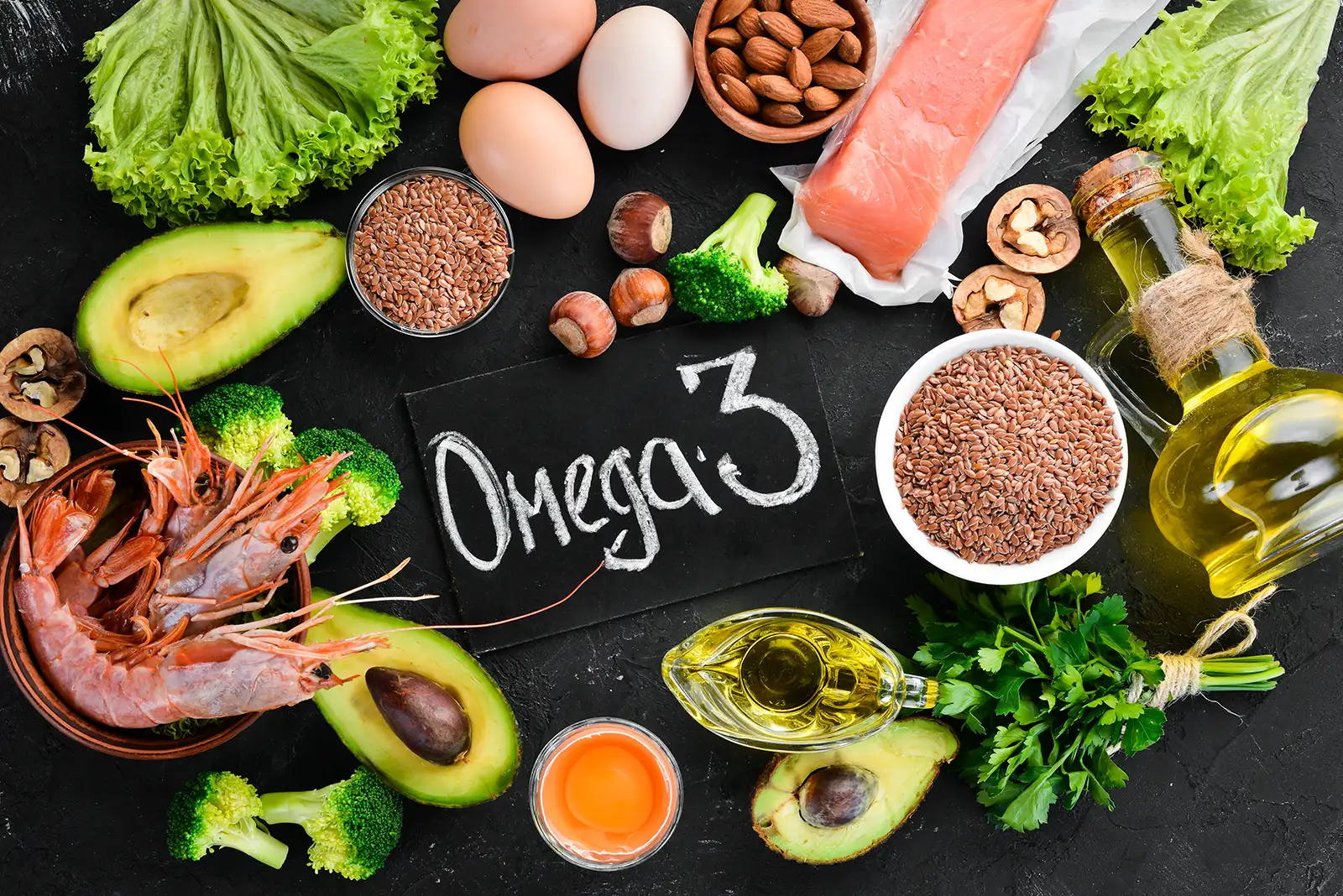
Omega-3 Fatty Acids and Heart Health: Evidence, Dosing, and the REDUCE-IT Trial Explained
Read more →: Omega-3 Fatty Acids and Heart Health: Evidence, Dosing, and the REDUCE-IT Trial ExplainedCoronary Artery DiseaseHeart Attack PreventionHeart DiseaseHigh Cholesterol & Lp(a) Omega-3 fatty acids for heart health represent the most extensively studied cardiovascular supplement category — with a body of evidence spanning decades, multiple large randomized outcomes trials, and a prescription-only formulation approved by the FDA for cardiovascular risk reduction. EPA and DHA are not interchangeable wellness…
-

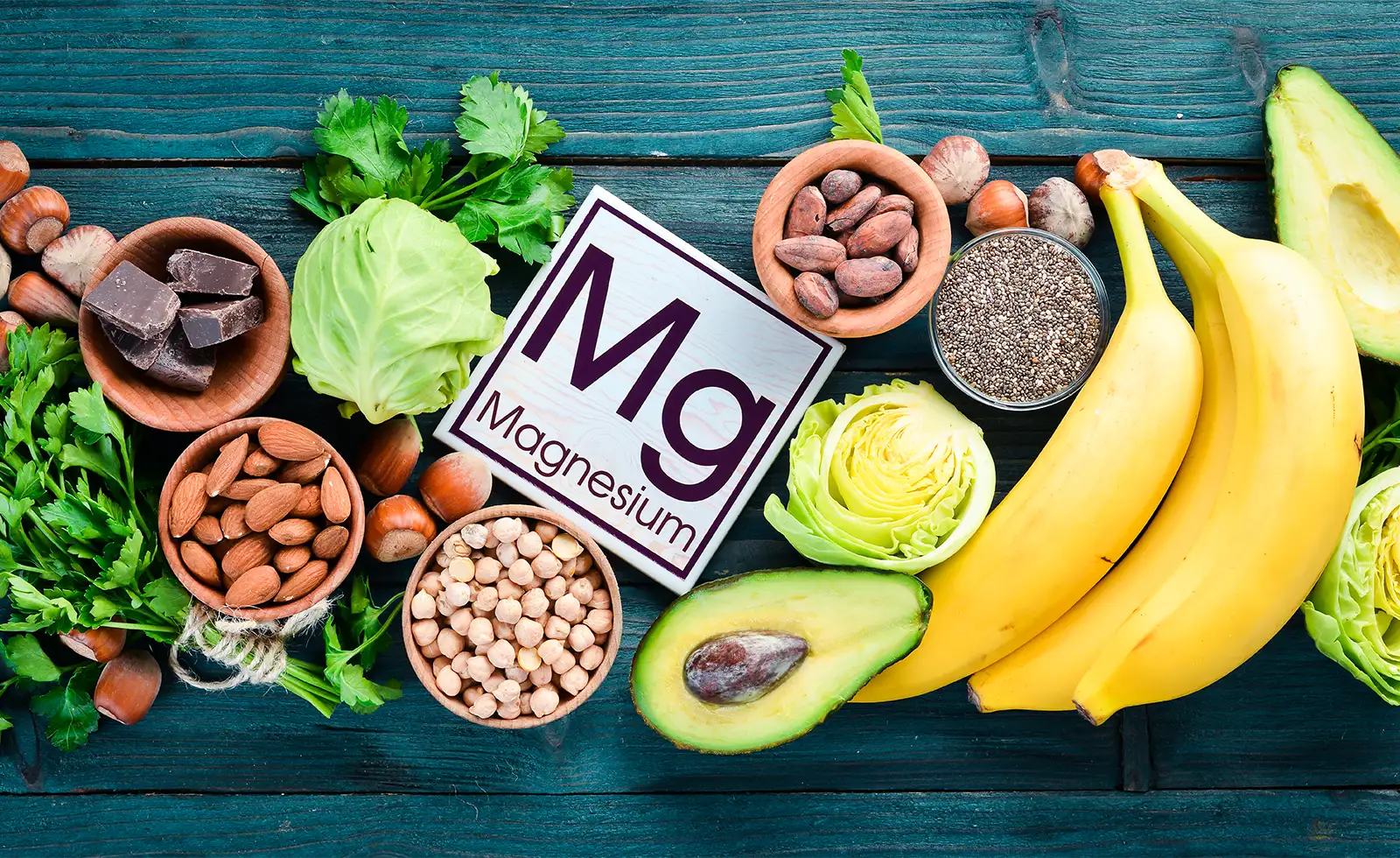
Magnesium and Heart Health: The Most Overlooked Mineral in Cardiology
Read more →: Magnesium and Heart Health: The Most Overlooked Mineral in CardiologyArrhythmiasHeart Attack PreventionHeart DiseaseHypertension Magnesium and heart health have a relationship far more consequential than standard medical practice reflects. Magnesium is required for over 300 enzymatic reactions in the body — including every step of ATP synthesis, cardiac electrical conduction, and vascular smooth muscle relaxation. Deficiency is extraordinarily common, affects over half the US population…
-

CoQ10 for Heart Health: Evidence, Dosing, and Why Every Statin User Needs It
Read more →: CoQ10 for Heart Health: Evidence, Dosing, and Why Every Statin User Needs ItCoronary Artery DiseaseHeart Attack PreventionHeart DiseaseHigh Cholesterol & Lp(a) CoQ10 for heart health is one of the most evidence-backed supplement recommendations in integrative cardiology — and one of the most routinely overlooked in conventional practice. Coenzyme Q10 is not a fringe supplement. It is an essential mitochondrial cofactor, a potent fat-soluble antioxidant, and the compound…
-

Metabolic Syndrome Treatment: The Integrative Approach That Addresses the Root Cause
Read more →: Metabolic Syndrome Treatment: The Integrative Approach That Addresses the Root CauseHeart Attack PreventionHeart DiseaseHigh Cholesterol & Lp(a)HypertensionMetabolic Syndrome Metabolic syndrome treatment is one of the areas where integrative cardiology most clearly outperforms standard medical care. The five criteria — elevated waist circumference, high triglycerides, low HDL, elevated blood pressure, and elevated fasting glucose — are each individually treated with separate medications in conventional practice. Integrative…
-
Coronary Artery Disease, Heart Attack Prevention, Heart Disease, High Cholesterol & Lp(a), Hypertension
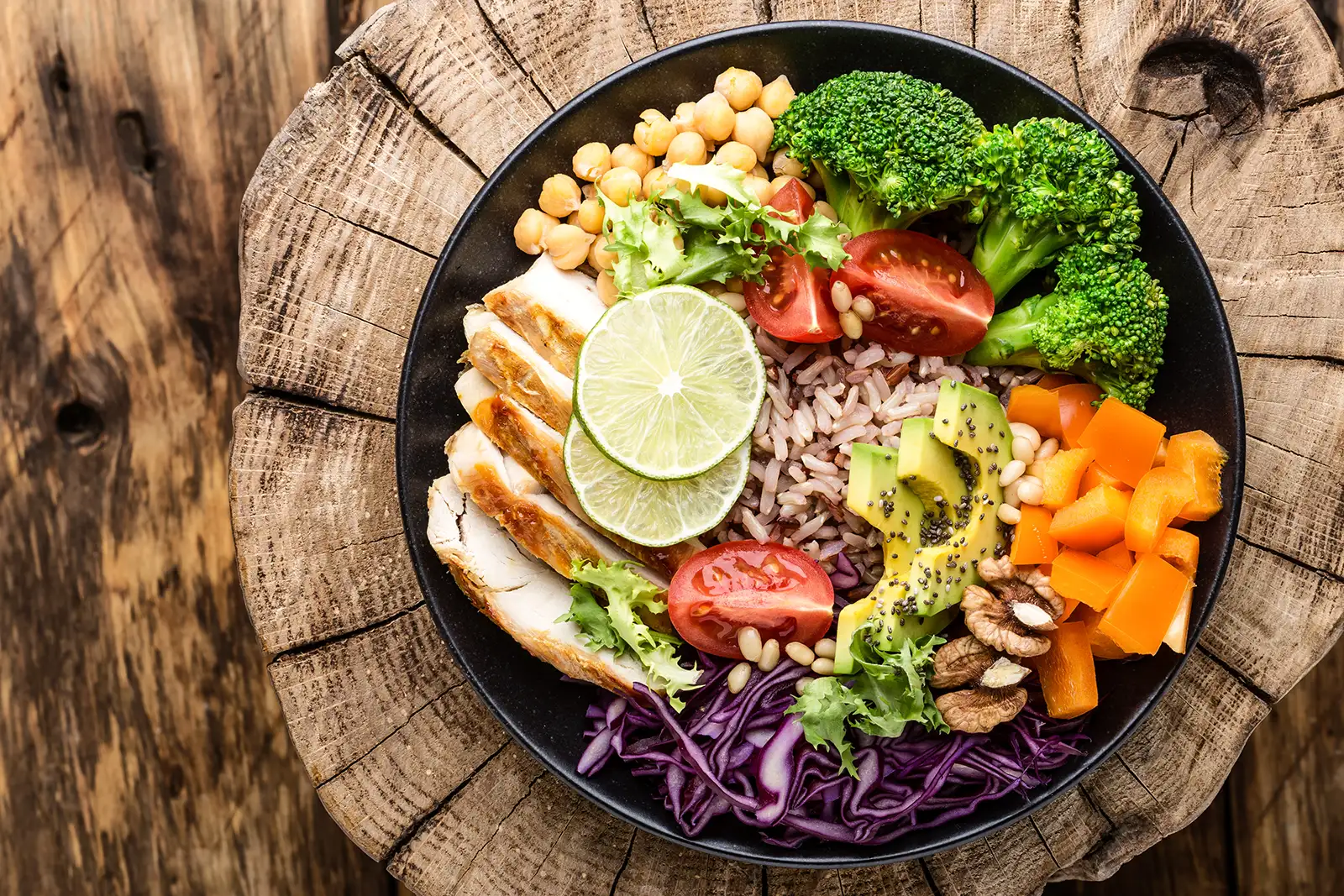
Cardiac Diet Plan: What to Eat, What to Avoid, and the Evidence Behind Each Choice
Read more →: Cardiac Diet Plan: What to Eat, What to Avoid, and the Evidence Behind Each ChoiceCoronary Artery DiseaseHeart Attack PreventionHeart DiseaseHigh Cholesterol & Lp(a)Hypertension A cardiac diet plan is not a single rigid protocol — it is a way of eating that addresses the specific mechanisms driving cardiovascular disease in each patient. As an integrative cardiologist, Dr. Regina Druz, MD, MBA, FACC, FMCP-M builds dietary protocols around what the patient’s…
-

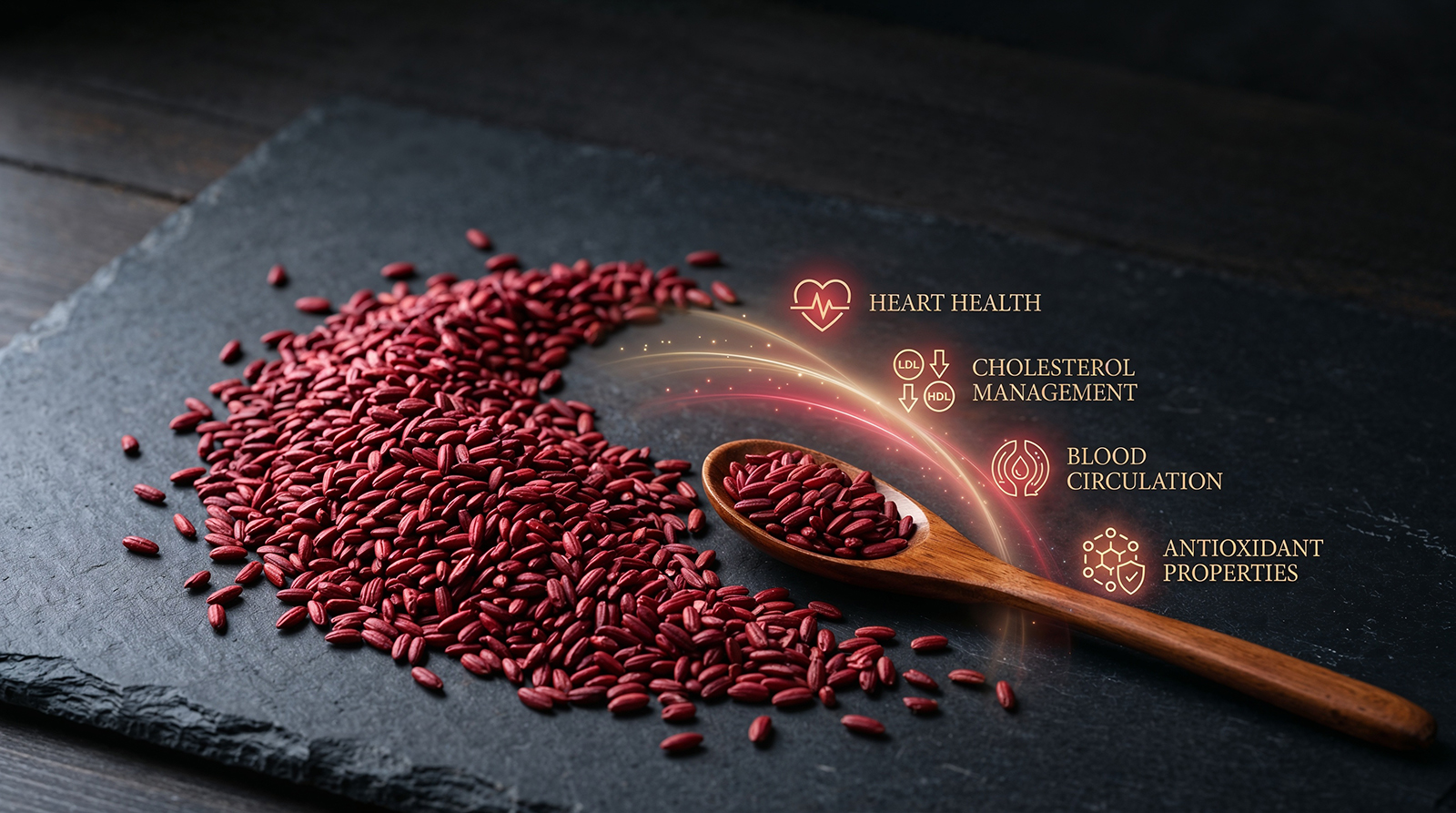
Red Yeast Rice for Cholesterol: Evidence, Safety, and How It Compares to Statins
Read more →: Red Yeast Rice for Cholesterol: Evidence, Safety, and How It Compares to StatinsCoronary Artery DiseaseHeart Attack PreventionHeart DiseaseHigh Cholesterol & Lp(a) Red yeast rice for cholesterol has more clinical evidence behind it than almost any other natural supplement — because it contains monacolin K, a compound chemically identical to the prescription statin lovastatin. That makes it genuinely effective and genuinely requires the same informed approach as pharmaceutical…
-
Coronary Artery Disease, Heart Attack Prevention, Heart Disease, High Cholesterol & Lp(a), Hypertension
Nattokinase Benefits for Heart Health: Blood Pressure, Clots, and Arterial Plaque — What the Evidence Shows
Read more →: Nattokinase Benefits for Heart Health: Blood Pressure, Clots, and Arterial Plaque — What the Evidence ShowsCoronary Artery DiseaseHeart Attack PreventionHeart DiseaseHigh Cholesterol & Lp(a)Hypertension Nattokinase benefits for cardiovascular health have attracted significant research attention — and for good reason. This enzyme, derived from the Japanese fermented soybean food natto, has demonstrated meaningful effects on blood clot dissolution, blood pressure reduction, and arterial plaque in clinical trials. As an integrative cardiologist,…



Heart Disease Is Not Inevitable.
The drivers behind heart disease — inflammation, insulin resistance, oxidative stress, hormonal shifts — are identifiable and addressable. The HeartWell Step 1 Explore visit uncovers what is driving yours and builds a plan to address it.