Cardiac Diet Plan: What to Eat, What to Avoid, and the Evidence Behind Each Choice
A cardiac diet plan is not a single rigid protocol — it is a way of eating that addresses the specific mechanisms driving cardiovascular disease in each patient. As an integrative cardiologist, Dr. Regina Druz, MD, MBA, FACC, FMCP-M builds dietary protocols around what the patient’s biomarkers show, not a generic handout. That said, there are core principles with enough evidence to apply broadly, and specific dietary patterns with randomized trial data showing reduced cardiovascular events — not just improved numbers.
A cardiac diet plan is an eating pattern designed to reduce cardiovascular risk through specific mechanisms: lowering LDL cholesterol and triglycerides, reducing blood pressure, decreasing systemic inflammation, improving…
The PREDIMED trial — a randomized controlled trial of 7,447 high-risk participants — found a Mediterranean diet supplemented with extra-virgin olive oil or nuts reduced major cardiovascular events…
Extra-virgin olive oil — 4 tablespoons daily as primary cooking fat; reduces LDL oxidation, blood pressure, and inflammation
Lunch: Large salad with leafy greens, chickpeas, avocado, cherry tomatoes, and 4 tablespoons extra-virgin olive oil and lemon dressing.
What Is a Cardiac Diet Plan?
A cardiac diet plan is an eating pattern designed to reduce cardiovascular risk through specific mechanisms: lowering LDL cholesterol and triglycerides, reducing blood pressure, decreasing systemic inflammation, improving insulin sensitivity, and supporting healthy body weight. The most evidence-based cardiac dietary patterns share core features — emphasis on whole plant foods, healthy fats, lean protein sources, and minimization of ultra-processed foods, refined carbohydrates, and added sugars — while differing in their relative emphasis on specific food groups.
The Most Evidence-Based Cardiac Diet Patterns
1. Mediterranean Diet — The Gold Standard
The Mediterranean diet is the most comprehensively studied dietary pattern for cardiovascular outcomes. The PREDIMED trial — a randomized controlled trial of 7,447 high-risk participants — found a Mediterranean diet supplemented with extra-virgin olive oil or nuts reduced major cardiovascular events (heart attack, stroke, cardiovascular death) by 30% compared to a control low-fat diet. The diet emphasizes extra-virgin olive oil as the primary fat, abundant vegetables and legumes, moderate fish and poultry, whole grains, nuts and seeds, limited red meat, and moderate red wine with meals. It is the only dietary pattern with randomized outcomes data at this scale.
2. DASH Diet — Specifically Designed for Blood Pressure
The Dietary Approaches to Stop Hypertension (DASH) diet reduces systolic blood pressure by 8–14 mmHg in randomized trials — equivalent to single-drug antihypertensive therapy. It emphasizes potassium, magnesium, and calcium-rich foods (fruits, vegetables, low-fat dairy, legumes) while limiting sodium, saturated fat, and alcohol. For patients with hypertension or borderline blood pressure, the DASH diet is the strongest dietary evidence-based intervention available. It can be combined with Mediterranean diet principles — the MIND diet does exactly this, showing 53% reduction in Alzheimer’s risk as an additional benefit.
3. Low-Carbohydrate and Ketogenic Diets
For patients with metabolic syndrome, insulin resistance, or elevated triglycerides, carbohydrate restriction is often the highest-yield dietary intervention. Low-carbohydrate diets (under 100 grams daily) consistently reduce triglycerides by 30–50%, raise HDL, improve blood glucose, and reduce atherogenic small dense LDL particles. The ketogenic diet (under 50 grams daily) achieves these effects more dramatically but requires careful monitoring and medical supervision, particularly in patients on diabetes or blood pressure medications. Weight loss from carbohydrate restriction often produces lipid improvements that exceed what the dietary composition alone would predict.
4. Portfolio Diet — Maximizing LDL Reduction Through Food
The Portfolio Diet, developed by Dr. David Jenkins, combines the four dietary components with the most evidence for LDL reduction into a single protocol: plant sterols (2 grams daily), soluble fiber (10+ grams daily from oats, barley, psyllium), plant protein (soy and legumes), and nuts (a handful daily). Together these four components reduce LDL by 20–30% — comparable to low-dose statin therapy — when each element is implemented consistently. The Portfolio Diet is the most effective single dietary strategy for LDL reduction and is particularly valuable for statin-intolerant patients.
Core Cardiac Diet Principles That Apply to All Patterns
Foods to Emphasize
- Extra-virgin olive oil — 4 tablespoons daily as primary cooking fat; reduces LDL oxidation, blood pressure, and inflammation
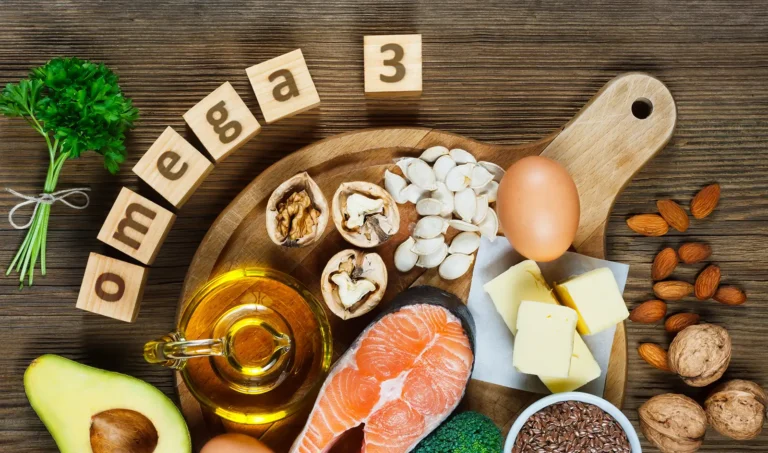
- Fatty fish — 2–3 servings weekly (salmon, sardines, mackerel, herring); provides EPA and DHA for triglyceride reduction and anti-inflammation
- Leafy greens and vegetables — 5+ servings daily; provide nitrates for blood pressure, fiber for cholesterol, folate and antioxidants
- Legumes — lentils, chickpeas, black beans at least 4 servings weekly; soluble fiber for LDL reduction, plant protein
- Nuts — a handful of walnuts, almonds, or mixed nuts daily; monounsaturated and polyunsaturated fats, plant sterols, fiber
- Berries — 1 cup daily; anthocyanins for endothelial function, blood pressure, and LDL oxidation protection
- Whole grains — oats, barley, quinoa over refined grains; beta-glucan from oats reduces LDL by 5–10 mg/dL
Foods to Minimize or Eliminate
- Ultra-processed foods — the single most harmful dietary category; associated with cardiovascular mortality independent of nutrient content
- Trans fats — now largely banned from food supply but still present in some imported and restaurant foods; directly raise LDL and lower HDL
- Added sugars and refined carbohydrates — primary drivers of elevated triglycerides, insulin resistance, and metabolic dyslipidemia
- Excess sodium — above 1,500–2,300 mg daily in sodium-sensitive individuals; directly raises blood pressure
- Alcohol above moderate amounts — raises triglycerides, blood pressure, and AFib risk; no threshold is safe for AFib patients
- Processed red meat — hot dogs, sausages, deli meats; associated with cardiovascular mortality; unprocessed red meat in moderation has a more modest risk profile
Cardiac Diet Sample Day
Breakfast: Steel-cut oats with walnuts, blueberries, and ground flaxseed. Black coffee or green tea.
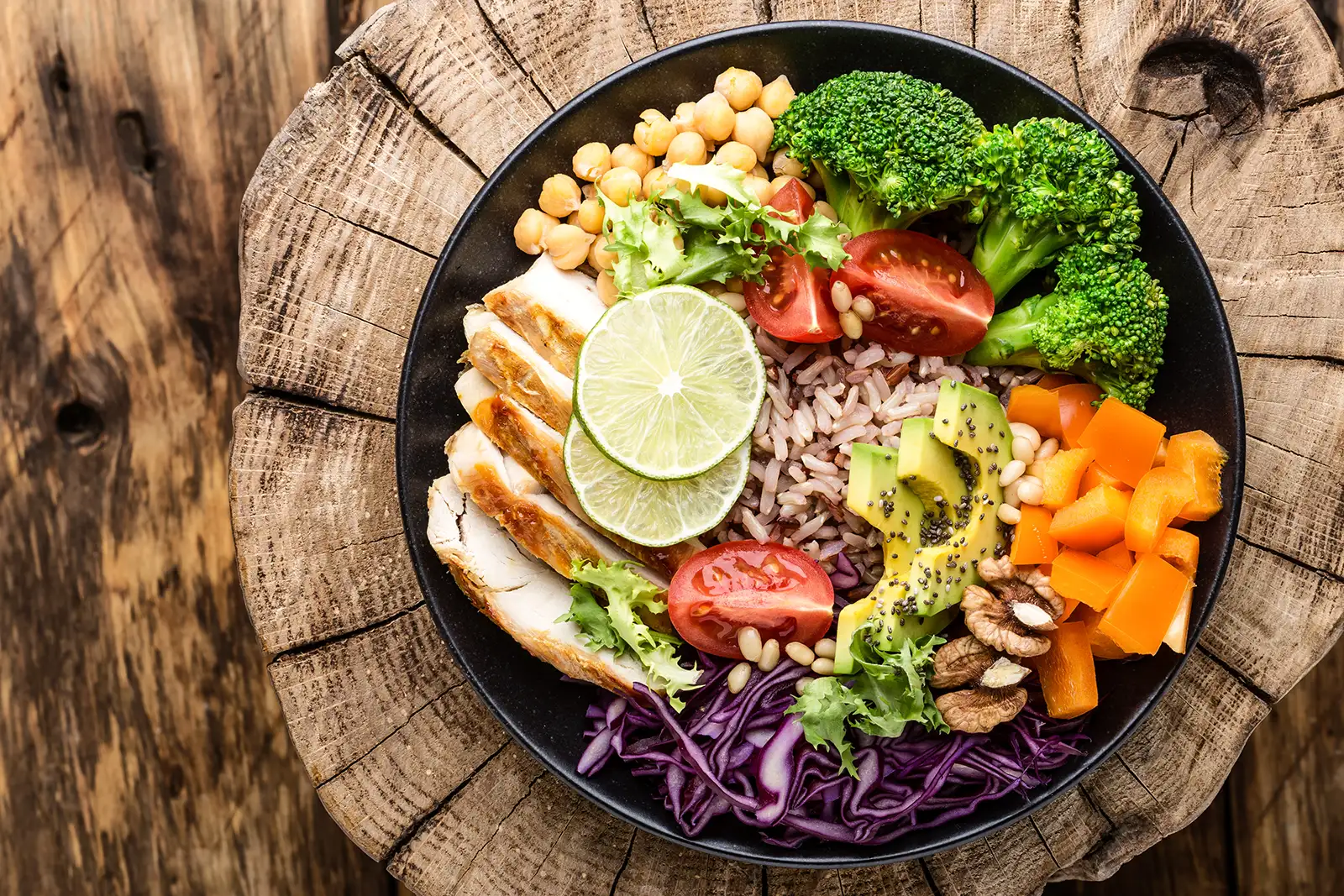
Lunch: Large salad with leafy greens, chickpeas, avocado, cherry tomatoes, and 4 tablespoons extra-virgin olive oil and lemon dressing. Whole grain sourdough bread.
Dinner: Baked salmon with roasted vegetables (broccoli, sweet potato, beets) in olive oil. Lentil soup. Dark chocolate (1 oz, 85%+) with herbal tea.
Snacks: Small handful of almonds. Apple with almond butter. Hibiscus tea.
When to See a Doctor About Your Cardiac Diet
Dietary intervention alone is appropriate for patients with low-to-moderate cardiovascular risk and mild lipid or blood pressure abnormalities. See a cardiologist promptly if you have established heart disease, a 10-year cardiovascular risk above 7.5%, LDL above 190 mg/dL, blood pressure consistently above 160/100, or diabetes. In these situations, dietary modification is essential but typically requires concurrent medical management to achieve adequate risk reduction.
The Integrative Cardiology Approach to Diet
At Holistic Heart Centers, dietary protocols are individualized based on biomarker assessment. A patient with high triglycerides and insulin resistance gets a different dietary emphasis than a patient with familial hypercholesterolemia and normal blood sugar. Dr. Druz evaluates fasting insulin, HOMA-IR, advanced lipid particle testing, inflammatory markers, and food sensitivity testing where relevant before making specific dietary recommendations. The goal is a protocol the patient can sustain, not a temporary intervention that produces short-term lab improvements.
Want a personalized cardiac diet plan based on your actual biomarkers
The Step 1 Explore visit at Holistic Heart Centers includes advanced metabolic testing and a tailored dietary protocol from Dr. Druz.
Schedule a free strategy call →References
- Estruch R, et al. Primary Prevention of Cardiovascular Disease with a Mediterranean Diet (PREDIMED). N Engl J Med. 2013;368(14):1279-1290.
- Appel LJ, et al. A Clinical Trial of the Effects of Dietary Patterns on Blood Pressure (DASH). N Engl J Med. 1997;336(16):1117-1124.
- Jenkins DJ, et al. Effects of a Dietary Portfolio of Cholesterol-Lowering Foods vs Lovastatin on Serum Lipids and CRP. JAMA. 2003;290(4):502-510.
More Articles on Heart Disease
-
Can Diet Reverse Heart Disease?
Read more →: Can Diet Reverse Heart Disease?Heart Disease Diet can contribute to reversing heart disease, particularly when it addresses the root causes of atherosclerosis like inflammation, insulin resistance, and oxidative stress. Clinical trials have demonstrated measurable plaque regression with intensive dietary intervention. However, diet alone may not be sufficient for everyone, especially those with advanced disease, genetic risk factors, or significant…
-
What Causes Heart Disease?
Read more →: What Causes Heart Disease?Heart Disease Heart disease is caused by damage to the blood vessels and heart muscle that accumulates over time. While cholesterol often receives the most attention, the actual disease process is driven by a combination of chronic inflammation, metabolic dysfunction, oxidative stress, and arterial damage. These factors interact to create atherosclerosis, the buildup of plaque…
-
Why Is Heart Disease The Leading Cause Of Death?
Read more →: Why Is Heart Disease The Leading Cause Of Death?Heart Disease Heart disease remains the leading cause of death worldwide because it develops silently over decades, is driven by common modern lifestyle factors, and is often detected too late requiring invasive intervention. The cardiovascular system is uniquely vulnerable to the cumulative effects of inflammation, metabolic dysfunction, and arterial damage. Unlike many other diseases, heart…
See all Heart Disease articles → | Back to Heart Health Blog