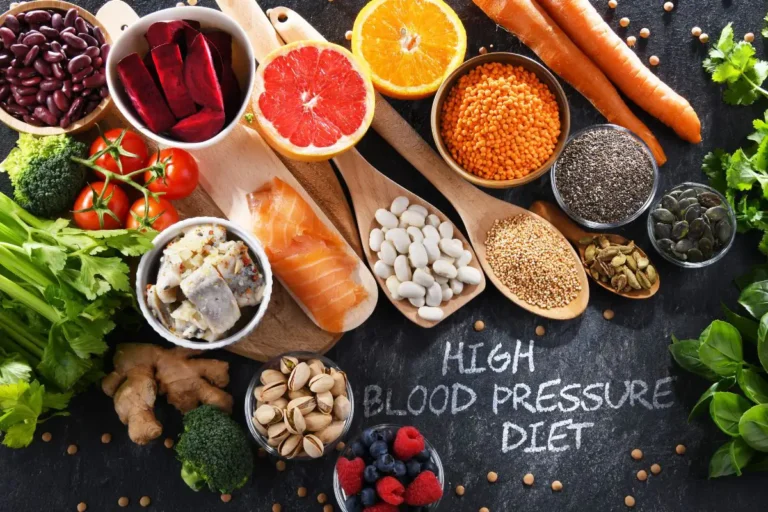
Can You Reverse Hypertension?

Yes, hypertension may potentially be reversed when you identify and address what is actually driving it. This is fundamentally different from controlling blood pressure with medication, which manages the number without resolving the underlying dysfunction. True reversal requires sustainability in lifestyle efforts, and identification of root causes. For many people with hypertension rooted in insulin resistance, chronic inflammation, hormonal imbalances, or nervous system dysregulation, addressing these root causes can normalize blood pressure and reduce or eliminate the need for lifelong medication. The key is understanding that elevated blood pressure is not the disease itself but a symptom of deeper metabolic and physiological dysfunction.
Reversal Is Different From Control: Medications can lower blood pressure numbers, but the underlying dysfunction remains. Reversal means restoring the body’s ability to regulate blood pressure naturally, which requires addressing root causes rather than suppressing symptoms.
Most Hypertension Has Identifiable Drivers: Insulin resistance, chronic inflammation, hormonal imbalances, nervous system dysregulation, and nutrient deficiencies are common root causes. When these are corrected, blood pressure often normalizes because the signals telling the body to keep pressure elevated are removed.
Earlier Intervention Produces Better Results: Hypertension that has been present for decades causes structural changes in blood vessels that are harder to reverse. Recently developed hypertension, or hypertension caught early, responds more readily to root-cause intervention.
Reversal Requires A Different Approach: The conventional model of adding medications to lower a number does not produce reversal. A root-cause approach that identifies individual drivers and addresses metabolic, inflammatory, hormonal, and nervous system dysfunction is required.
Understanding What Reversal Actually Means
When we talk about reversing hypertension, we mean restoring the body’s natural ability to regulate blood pressure within healthy ranges without pharmaceutical intervention. This is not the same as achieving a normal blood pressure reading while taking medication. Medication-controlled blood pressure is still hypertension being managed; the underlying condition persists, and blood pressure would rise again if the medication were stopped.
True reversal occurs when the factors that were driving blood pressure elevation are corrected. If insulin resistance was causing sodium retention and sympathetic activation, and that insulin resistance is resolved, the body no longer has the metabolic signal to keep blood pressure elevated. If chronic inflammation was damaging the endothelium and impairing vascular function, and that inflammation is resolved, the blood vessels can relax and regulate normally again.
This distinction matters because it changes the goal of treatment. The conventional goal is blood pressure control: keep the number in range, typically with medication, indefinitely. The root-cause goal is blood pressure resolution: identify and correct what is driving the elevation so the body can regulate itself again.
What Makes Reversal Possible
Addressing Insulin Resistance
Insulin resistance is one of the most common and most reversible drivers of hypertension. When cells become resistant to insulin, the body produces more insulin to compensate. Elevated insulin causes the kidneys to retain sodium and fluid, activates the sympathetic nervous system, impairs nitric oxide production, and promotes inflammation. All of these raise blood pressure. The good news is that insulin resistance responds well to dietary changes, movement, sleep optimization, and stress management. As insulin sensitivity improves, the metabolic signals driving blood pressure elevation diminish, and blood pressure often normalizes.
Resolving Chronic Inflammation
Chronic inflammation damages the endothelium, the inner lining of blood vessels that produces nitric oxide and regulates vascular tone. Inflamed blood vessels become stiff, less responsive, and less able to dilate. Sources of chronic inflammation include poor gut health, hidden infections, food sensitivities, environmental toxins, excess visceral fat, and chronic stress. Identifying and removing inflammatory triggers while supporting the body’s inflammation resolution pathways allows vascular function to recover. As inflammation resolves, endothelial function improves, and blood pressure regulation is restored.
Rebalancing Hormones
Hormonal imbalances contribute to hypertension in ways that are often overlooked. Chronic cortisol elevation from ongoing stress raises blood pressure through multiple mechanisms. Thyroid dysfunction affects metabolic rate and vascular function. The decline of estrogen during menopause frequently triggers blood pressure increases because estrogen supports nitric oxide production and vascular flexibility. Testosterone decline in men contributes to increased visceral fat and insulin resistance. Addressing these hormonal factors, whether through stress management, thyroid support, or appropriate hormone optimization, can remove significant drivers of elevated blood pressure.
Regulating The Nervous System
The autonomic nervous system directly controls blood pressure through heart rate and vascular tone. When the sympathetic nervous system is chronically activated, whether from stress, trauma, poor sleep, or metabolic dysfunction, blood pressure stays elevated as part of the body’s survival response. Many people with hypertension have been living in fight-or-flight mode for so long they do not recognize it as abnormal. Nervous system regulation through sleep optimization, stress recovery practices, breathwork, and heart rate variability training can shift the body out of chronic survival mode. When the nervous system feels safe, it allows blood pressure to normalize.
Improving Body Composition
Body composition, specifically the ratio of muscle to fat and the location of fat storage, significantly impacts blood pressure. Visceral fat, the fat stored around organs, is metabolically active and produces inflammatory signals that raise blood pressure. Research shows that for every kilogram of fat lost, systolic blood pressure drops by approximately one point. But the approach matters: crash dieting that sacrifices muscle along with fat can worsen metabolic health. Preserving or building muscle while losing visceral fat produces more powerful and sustainable blood pressure improvements because muscle mass supports metabolic flexibility and insulin sensitivity.
What Affects Whether Hypertension Can Be Reversed
Duration Of Hypertension: Recently developed hypertension is generally easier to reverse than hypertension that has been present for many years. Chronic elevated pressure causes structural remodeling of blood vessel walls, making them stiffer and less responsive. This vascular damage can be partially reversed but takes longer and may not fully normalize in all cases.
Severity Of Underlying Dysfunction: Mild insulin resistance responds more quickly than severe metabolic syndrome. Early-stage inflammation resolves faster than deeply entrenched chronic inflammation. The more advanced the underlying dysfunction, the longer and more intensive the intervention required.
Genetic Factors: Some people have genetic predispositions that affect blood pressure regulation, including salt sensitivity, vascular reactivity, and metabolic tendencies. Genetics do not determine destiny, but they may influence how completely blood pressure normalizes and how much ongoing attention is needed to maintain results.
Consistency Of Intervention: Root-cause reversal requires sustained effort over months. The metabolic, inflammatory, and hormonal changes that drive hypertension did not develop overnight and do not resolve overnight. Sporadic effort produces sporadic results. Consistent application of dietary changes, movement, sleep optimization, and stress management produces cumulative improvement.
Age And Vascular Health: Younger individuals with more flexible arteries generally respond more readily to intervention. Older individuals may have more accumulated vascular damage that limits how completely blood pressure can normalize. However, improvement is possible at any age, even if complete reversal to optimal levels is not achieved.
Why Conventional Treatment Rarely Produces Reversal
The conventional approach to hypertension focuses on the number rather than the cause. If blood pressure is elevated, add a medication to lower it. If one medication is insufficient, add another. This approach can effectively reduce cardiovascular risk by keeping numbers in range, but it does nothing to address why blood pressure was elevated in the first place.
Patients are often told that hypertension is a chronic condition requiring lifelong medication. This becomes a self-fulfilling prophecy because nothing is done to address root causes. The insulin resistance continues. The inflammation persists. The hormonal imbalances remain. The nervous system stays in overdrive. The medication controls the symptom while the underlying disease process continues or worsens.
This is not to say medications are never appropriate. In acute situations, when blood pressure is dangerously elevated, or when root-cause interventions need time to take effect, medications can be necessary and even lifesaving. But medications should be viewed as a bridge to reversal when possible, not as the only option or as a permanent solution that makes addressing root causes unnecessary.
What You Should Consider
Get Comprehensive Testing: Standard blood pressure readings and basic labs do not reveal root causes. Advanced testing for insulin resistance, inflammatory markers, hormonal status, and metabolic function identifies what is actually driving your hypertension and guides targeted intervention.
Understand That Reversal Takes Time: The dysfunction driving hypertension developed over years or decades. Meaningful reversal typically takes months of consistent effort. Quick fixes do not produce lasting results. Be patient and track progress over time.
Do Not Stop Medications Without Guidance: If you are currently on blood pressure medications, do not stop them on your own. As root causes are addressed and blood pressure improves, medication adjustments should be made under medical supervision based on objective measurements.
Address The Whole Picture: Hypertension rarely has a single cause. Most people have multiple contributing factors including metabolic dysfunction, inflammation, stress, poor sleep, and suboptimal nutrition. Comprehensive intervention that addresses all relevant factors produces better results than targeting any single issue.
Work With Practitioners Who Understand Root-Cause Resolution: Not all healthcare providers are trained in or oriented toward reversing hypertension. Seek practitioners who understand metabolic health, functional testing, and integrative approaches, and who view medication reduction as a realistic goal rather than an impossibility.
When To Seek Care Urgently
Seek emergency care for blood pressure readings above 180/120 mmHg, especially if accompanied by symptoms like severe headache, chest pain, shortness of breath, vision changes, difficulty speaking, numbness, or confusion. This may indicate a hypertensive crisis requiring immediate treatment. Root-cause reversal is for long-term resolution, not acute emergencies. Do not delay urgent care to pursue natural approaches.
Talk it through with our team
If you want to explore whether your hypertension can be reversed, a comprehensive evaluation can identify the specific factors driving your blood pressure elevation. Understanding your individual root causes is the foundation for building a personalized plan aimed at resolution rather than lifelong management.
Book a discovery call →References
- Carey RM, Moran AE, Whelton PK. Treatment of Hypertension: A Review. JAMA. 2022;328(18):1849-1861. doi:10.1001/jama.2022.19590.
- Jones DW, Ferdinand KC, Taler SJ, et al. 2025 AHA/ACC Guideline for the Prevention, Detection, Evaluation, and Management of High Blood Pressure in Adults. Journal of the American College of Cardiology. 2025;86(18):1567-1678. doi:10.1016/j.jacc.2025.05.007.
- Boivin JM, Ferreira JP, Lopez-Sublet M, et al. Stopping Antihypertensive Treatment Among Hypertensive Patients in Primary Care: The STOP-Trial. European Journal of Preventive Cardiology. 2025:zwaf511. doi:10.1093/eurjpc/zwaf511.
- Schiavon CA, Cavalcanti AB, Oliveira JD, et al. Randomized Trial of Effect of Bariatric Surgery on Blood Pressure After 5 Years. Journal of the American College of Cardiology. 2024;83(6):637-648. doi:10.1016/j.jacc.2023.11.032.
- Arterburn DE, Telem DA, Kushner RF, Courcoulas AP. Benefits and Risks of Bariatric Surgery in Adults: A Review. JAMA. 2020;324(9):879-887. doi:10.1001/jama.2020.12567.
More Heart Health Questions, Answered
This article is part of the HHC Clinical FAQ Series — in-depth answers to the most common heart health questions, written and reviewed by Dr. Regina Druz, MD, MBA, FACC, FMCP-M.
Similar Posts
What Heals The Heart Naturally?
Heart Attack Prevention The heart has a remarkable capacity for healing when given the right conditions. Natural healing occurs when the factors that damage the cardiovascular system are removed and the factors that support repair are optimized. This includes reducing inflammation, restoring metabolic health, improving endothelial function, and supporting the body’s innate regenerative processes. While…
- Arrhythmias | Atrial Fibrillation | Coronary Artery Disease | Heart Attack Prevention | Heart Disease | Hypertension | Stroke Prevention
Best and Worst Drinks for Heart Health: A Cardiologist’s Guide
ArrhythmiasAtrial FibrillationCoronary Artery DiseaseHeart Attack PreventionHeart DiseaseHypertensionStroke Prevention The best and worst drinks for heart health — ranked by evidence, not opinion. As an integrative cardiologist, Dr. Regina Druz, MD, MBA, FACC, FMCP-M breaks down which beverages protect your cardiovascular system, which quietly raise your risk, and what the research actually shows about coffee, alcohol,…
Foods That Lower Blood Pressure: A Cardiologist’s Evidence-Based Guide
Coronary Artery DiseaseHeart Attack PreventionHeart DiseaseHypertension Foods that lower blood pressure are among the most searched cardiovascular topics online — and for good reason. Hypertension affects nearly half of American adults, most of whom are managed with medication alone, without a systematic review of the dietary and lifestyle factors that drive blood pressure elevation. As…
Magnesium and Heart Health: The Most Overlooked Mineral in Cardiology
ArrhythmiasHeart Attack PreventionHeart DiseaseHypertension Magnesium and heart health have a relationship far more consequential than standard medical practice reflects. Magnesium is required for over 300 enzymatic reactions in the body — including every step of ATP synthesis, cardiac electrical conduction, and vascular smooth muscle relaxation. Deficiency is extraordinarily common, affects over half the US population…
How Do I Decrease My Vascular Age?
Vascular Aging Your vascular age reflects how old your arteries actually function compared to your chronological age. Someone who is 50 years old may have arteries that function like those of a 35-year-old or a 65-year-old depending on years of accumulated inflammation, metabolic stress, hormonal changes, and lifestyle factors. The encouraging reality is that vascular…
What Foods Help Lower Hypertension?
Hypertension The foods that help lower blood pressure are those that address the root causes driving the elevation in the first place. This means foods that improve insulin sensitivity, reduce inflammation, support healthy endothelial function, and provide the nutrients your vascular system needs to regulate itself. A list of blood pressure lowering foods misses the…