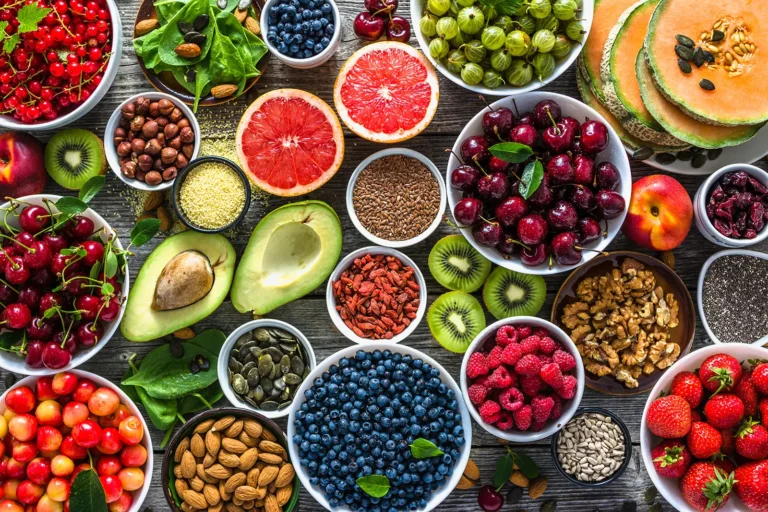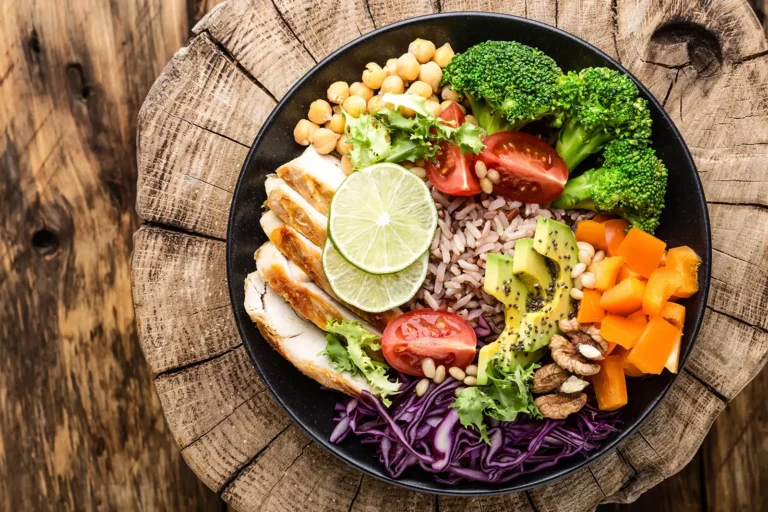
What Foods Help Lower Hypertension?
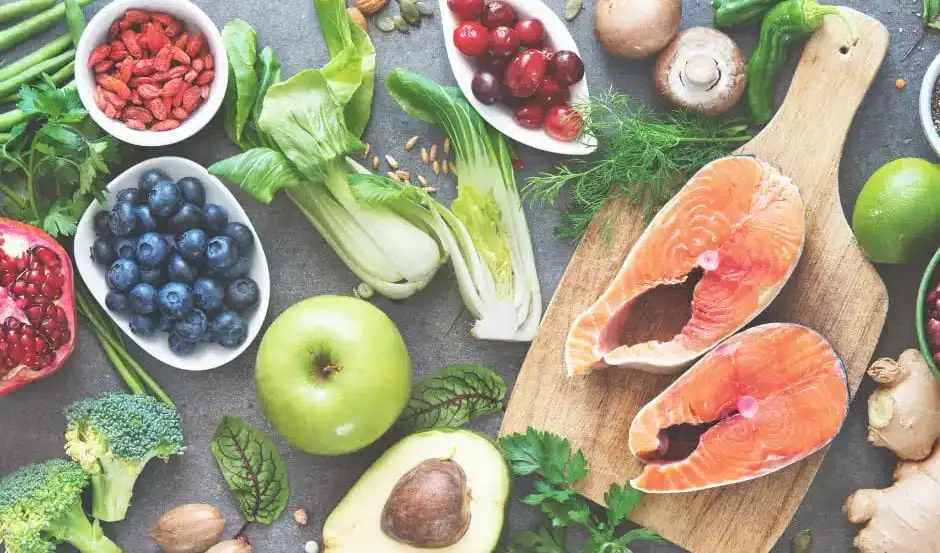
The foods that help lower blood pressure are those that address the root causes driving the elevation in the first place. This means foods that improve insulin sensitivity, reduce inflammation, support healthy endothelial function, and provide the nutrients your vascular system needs to regulate itself. A list of blood pressure lowering foods misses the point if it ignores why your blood pressure is elevated. Someone with insulin-driven hypertension needs different dietary emphasis than someone with inflammation-driven or stress-driven hypertension. That said, certain food categories consistently support cardiovascular health by targeting the metabolic and inflammatory dysfunction that underlies most cases of chronic high blood pressure.
Food Works By Addressing Root Causes: The most effective dietary approach targets the underlying drivers of your hypertension, whether that is insulin resistance, chronic inflammation, nutrient deficiencies, or gut dysfunction. Foods are not medications that directly lower a number; they support the systems that regulate blood pressure.
What You Remove Matters As Much As What You Add: Adding leafy greens while continuing to eat processed foods, refined carbohydrates, and industrial seed oils will produce limited results. Reducing inflammatory and metabolically disruptive foods is often more impactful than adding superfoods.
Blood Sugar Stability Is Central: Foods that stabilize blood sugar and improve insulin sensitivity address one of the most common drivers of hypertension. This means prioritizing protein, healthy fats, and fiber while minimizing refined carbohydrates and added sugars.
Individual Response Varies: Some people are highly salt-sensitive while others are not. Some people respond dramatically to increased potassium while others need to focus on magnesium. A food that helps one person may not help another depending on their unique physiology and what is driving their blood pressure.
Understanding How Food Affects Blood Pressure
Food influences blood pressure through multiple pathways. It affects insulin and blood sugar levels, which directly impact sodium retention and vascular function. It provides or depletes the nutrients needed for blood vessel health. It either fuels or reduces chronic inflammation. It feeds beneficial or harmful gut bacteria, which in turn produce compounds that affect blood pressure. And it influences the stress response and nervous system function. Understanding these pathways explains why certain foods help and why a one-size-fits-all list of blood pressure foods often disappoints.
Foods That Support Healthy Blood Pressure
Leafy Greens And Nitrate-Rich Vegetables
Leafy greens like spinach, arugula, beets, and Swiss chard are rich in dietary nitrates that the body converts to nitric oxide. Nitric oxide is the molecule that signals blood vessels to relax and dilate, directly lowering blood pressure. This pathway is particularly important because many people with hypertension have impaired nitric oxide production due to endothelial dysfunction. Dietary nitrates provide an alternative route to support vascular relaxation. These vegetables also provide magnesium, potassium, and antioxidants that support cardiovascular function.
Fatty Fish And Omega-3 Sources
Fatty fish like salmon, mackerel, sardines, and anchovies provide omega-3 fatty acids that reduce inflammation, improve endothelial function, and support healthy blood pressure. Omega-3s also help the body produce specialized pro-resolving mediators that actively turn off inflammatory processes rather than just blocking them. For those who do not eat fish, other sources include pasture-raised eggs, grass-fed meat, and algae-based supplements. The ratio of omega-3 to omega-6 fatty acids in your diet matters; most modern diets are heavily skewed toward inflammatory omega-6s from processed foods and seed oils.
Potassium-Rich Foods
Potassium counterbalances sodium and helps the kidneys excrete excess fluid. Most people consume far too little potassium relative to sodium. Good sources include avocados, sweet potatoes, bananas, spinach, salmon, and white beans. The goal is not just to add potassium but to improve the potassium-to-sodium ratio by both increasing potassium and reducing excessive sodium from processed foods. Whole foods naturally have favorable potassium-to-sodium ratios; processed foods have the opposite.
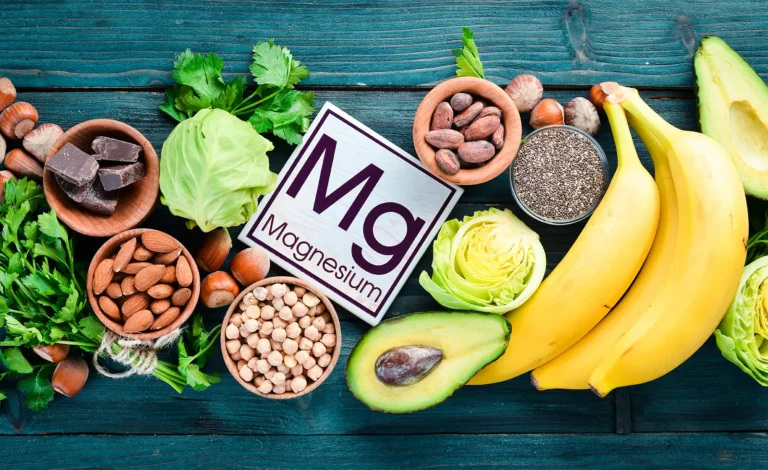
Magnesium-Rich Foods
Magnesium is essential for blood vessel relaxation, and deficiency is extremely common due to soil depletion and processed food consumption. Magnesium helps regulate the nervous system, supports healthy heart rhythm, and is required for hundreds of enzymatic processes including those involved in blood pressure regulation. Good sources include dark chocolate, pumpkin seeds, almonds, spinach, and avocados. Many people with hypertension benefit from both dietary magnesium and supplementation because it is difficult to get optimal amounts from food alone.
Protein-Rich Whole Foods
Adequate protein supports muscle mass preservation, which is critical for metabolic health and blood pressure regulation. Protein also stabilizes blood sugar and reduces the insulin spikes that contribute to hypertension. Quality matters: pasture-raised eggs, grass-fed meat, wild-caught fish, and organic poultry provide protein along with beneficial fats and nutrients. For those who include dairy, full-fat fermented options like yogurt and kefir provide protein plus probiotics that support gut health.
Fermented Foods
The gut microbiome influences blood pressure through multiple mechanisms, including the production of short-chain fatty acids and the regulation of inflammation. Fermented foods like sauerkraut, kimchi, yogurt, kefir, and miso provide beneficial bacteria that support a healthy gut ecosystem. Gut dysbiosis, an imbalance in gut bacteria, is increasingly recognized as a contributor to hypertension. Supporting gut health through fermented foods addresses this often-overlooked root cause.
Olive Oil And Healthy Fats
Extra virgin olive oil is rich in polyphenols that reduce inflammation and support endothelial function. The Mediterranean diet, which emphasizes olive oil as a primary fat source, consistently shows benefits for blood pressure and cardiovascular health. Other beneficial fats include avocado oil, coconut oil for cooking, and fats from nuts, seeds, and fatty fish. These fats support cell membrane health, hormone production, and the absorption of fat-soluble vitamins that are important for cardiovascular function.
Berries And Polyphenol-Rich Fruits
Berries like blueberries, strawberries, and blackberries are rich in anthocyanins and other polyphenols that improve endothelial function and reduce oxidative stress. These compounds support nitric oxide production and help protect blood vessels from inflammatory damage. Berries are also relatively low in sugar compared to other fruits, making them a good choice for those working on blood sugar stability. Pomegranates and tart cherries also provide concentrated polyphenols with cardiovascular benefits.
Foods That Drive Blood Pressure Up
Understanding what to reduce is as important as knowing what to add. The standard advice focuses heavily on sodium, but for many people, other dietary factors are more significant drivers of their hypertension.
Refined Carbohydrates And Added Sugars: These spike blood sugar and insulin, promoting sodium retention, inflammation, and metabolic dysfunction. For people with insulin-driven hypertension, reducing refined carbohydrates often produces more dramatic blood pressure improvements than reducing sodium. This includes bread, pasta, pastries, sweetened beverages, and hidden sugars in processed foods.
Industrial Seed Oils: Vegetable oils like soybean, corn, canola, and cottonseed oil are high in omega-6 fatty acids that promote inflammation when consumed in excess. These oils are ubiquitous in processed and restaurant foods. Replacing them with olive oil, avocado oil, coconut oil, and animal fats improves the inflammatory balance that affects vascular health.
Ultra-Processed Foods: Beyond their sodium content, processed foods contain additives, preservatives, and combinations of refined ingredients that disrupt metabolism, gut health, and inflammation. The more a food has been processed, the more likely it is to contribute to the metabolic dysfunction underlying hypertension.
Excess Sodium From Processed Sources: While sodium sensitivity varies, most excess sodium comes from processed foods rather than the salt shaker. Reducing processed food intake naturally reduces sodium while also eliminating other problematic ingredients. Those who are salt-sensitive may need additional attention to sodium, but addressing processed food consumption is the priority for most people.
Excessive Alcohol: While moderate alcohol consumption may have some cardiovascular benefits, excessive intake raises blood pressure, disrupts sleep, and impairs metabolic function. For those working to lower blood pressure, reducing or eliminating alcohol often produces noticeable improvements.
What You Should Consider
Identify Your Primary Driver: If insulin resistance is driving your hypertension, focus on blood sugar stability through reduced carbohydrates and adequate protein. If inflammation is the primary issue, emphasize anti-inflammatory foods and remove inflammatory triggers. If nutrient deficiencies are contributing, prioritize nutrient-dense whole foods.
Focus On Patterns, Not Superfoods: No single food will fix hypertension. What matters is the overall pattern of eating: whole foods over processed, stable blood sugar over spikes and crashes, anti-inflammatory choices over pro-inflammatory ones. Sustainable improvement comes from changing your baseline diet, not adding occasional superfoods to an otherwise problematic pattern.
Consider Food Sensitivities: Some people have inflammatory reactions to foods that are otherwise considered healthy. Common culprits include gluten, dairy, eggs, and nightshades. If you are doing everything right but not seeing results, hidden food sensitivities may be maintaining inflammation that keeps blood pressure elevated.
Support Gut Health: The gut microbiome influences blood pressure in ways that are only beginning to be understood. Including fermented foods, prebiotic fiber from vegetables, and avoiding gut-disrupting processed foods supports the microbial ecosystem that helps regulate cardiovascular function.
Give It Time: Dietary changes do not produce overnight results. Metabolic improvements, inflammation reduction, and vascular healing take weeks to months. Consistency matters more than perfection. Track your blood pressure over time to see the trajectory rather than reacting to daily fluctuations.
When To Seek Care Urgently
Dietary changes are for long-term improvement, not acute management. Seek emergency care for blood pressure readings above 180/120 mmHg, especially if accompanied by symptoms like severe headache, chest pain, shortness of breath, vision changes, difficulty speaking, or numbness. Also seek urgent care for any symptoms of heart attack or stroke regardless of blood pressure reading.
Talk it through with our team
If you want to understand which dietary approach is most likely to help your specific situation, a comprehensive evaluation can identify whether insulin resistance, inflammation, nutrient deficiencies, gut dysfunction, or other factors are driving your hypertension. This allows for personalized nutrition guidance rather than generic recommendations.
Book a discovery call →References
- Jones DW, Ferdinand KC, Taler SJ, et al. 2025 AHA/ACC/AANP/AAPA/ABC/ACCP/ACPM/AGS/AMA/ASPC/NMA/PCNA/SGIM Guideline for the Prevention, Detection, Evaluation, and Management of High Blood Pressure in Adults. Journal of the American College of Cardiology. 2025;86(18):1567-1678. doi:10.1016/j.jacc.2025.05.007.
- Carey RM, Moran AE, Whelton PK. Treatment of Hypertension: A Review. JAMA. 2022;328(18):1849-1861. doi:10.1001/jama.2022.19590.
- Argeros Z, Xu X, Bhandari B, et al. Magnesium Supplementation and Blood Pressure: A Systematic Review and Meta-Analysis of Randomized Controlled Trials. Hypertension. 2025. doi:10.1161/HYPERTENSIONAHA.125.25129.
- Zhang X, Ritonja JA, Zhou N, Chen BE, Li X. Omega-3 Polyunsaturated Fatty Acids Intake and Blood Pressure: A Dose-Response Meta-Analysis of Randomized Controlled Trials. Journal of the American Heart Association. 2022;11(11):e025071. doi:10.1161/JAHA.121.025071.
- Petersen KS, Maki KC, Calder PC, et al. Perspective on the Health Effects of Unsaturated Fatty Acids and Commonly Consumed Plant Oils High in Unsaturated Fat. British Journal of Nutrition. 2024;132(8):1039-1050. doi:10.1017/S0007114524002459.
More Heart Health Questions, Answered
This article is part of the HHC Clinical FAQ Series — in-depth answers to the most common heart health questions, written and reviewed by Dr. Regina Druz, MD, MBA, FACC, FMCP-M.
Similar Posts
Is Cinnamon Good for Your Heart? What Cardiologists Know About the Evidence
Heart Attack PreventionHeart DiseaseHypertensionMetabolic Syndrome Is cinnamon good for your heart? The question gets asked more than almost any other about a single spice — and the clinical evidence is more substantial than most people realize. Cinnamon has documented effects on blood sugar, blood pressure, lipids, and inflammation that are directly relevant to cardiovascular health….
Can Diet Reverse Heart Disease?
Heart Disease Diet can contribute to reversing heart disease, particularly when it addresses the root causes of atherosclerosis like inflammation, insulin resistance, and oxidative stress. Clinical trials have demonstrated measurable plaque regression with intensive dietary intervention. However, diet alone may not be sufficient for everyone, especially those with advanced disease, genetic risk factors, or significant…
Magnesium and Heart Health: The Most Overlooked Mineral in Cardiology
ArrhythmiasHeart Attack PreventionHeart DiseaseHypertension Magnesium and heart health have a relationship far more consequential than standard medical practice reflects. Magnesium is required for over 300 enzymatic reactions in the body — including every step of ATP synthesis, cardiac electrical conduction, and vascular smooth muscle relaxation. Deficiency is extraordinarily common, affects over half the US population…
- Coronary Artery Disease | Heart Attack Prevention | Heart Disease | High Cholesterol & Lp(a) | Hypertension
Cardiac Diet Plan: What to Eat, What to Avoid, and the Evidence Behind Each Choice
Coronary Artery DiseaseHeart Attack PreventionHeart DiseaseHigh Cholesterol & Lp(a)Hypertension A cardiac diet plan is not a single rigid protocol — it is a way of eating that addresses the specific mechanisms driving cardiovascular disease in each patient. As an integrative cardiologist, Dr. Regina Druz, MD, MBA, FACC, FMCP-M builds dietary protocols around what the patient’s…
- Coronary Artery Disease | Heart Attack Prevention | Heart Disease | Hypertension | Metabolic Syndrome
Is Weightlifting Good for Your Heart? What Cardiologists Know Now
Coronary Artery DiseaseHeart Attack PreventionHeart DiseaseHypertensionMetabolic Syndrome Is weightlifting good for your heart? The evidence — much of it published in the last decade — is unambiguously yes, with important nuance about dose, intensity, and patient population. As an integrative cardiologist, Dr. Regina Druz, MD, MBA, FACC, FMCP-M views resistance training as one of the…
Natural ways to lower your blood pressure
Heart DiseaseHypertension Key Points ✓ Lose weight and exercise: Increased weight means that your body is working harder to pump all of the blood through your body, and if you are gaining weight… ✓ Stop smoking ✓ More potassium Take care of yourself: Lose weight and exercise: Increased weight means that your body is working…