What Triggers Most Heart Attacks?
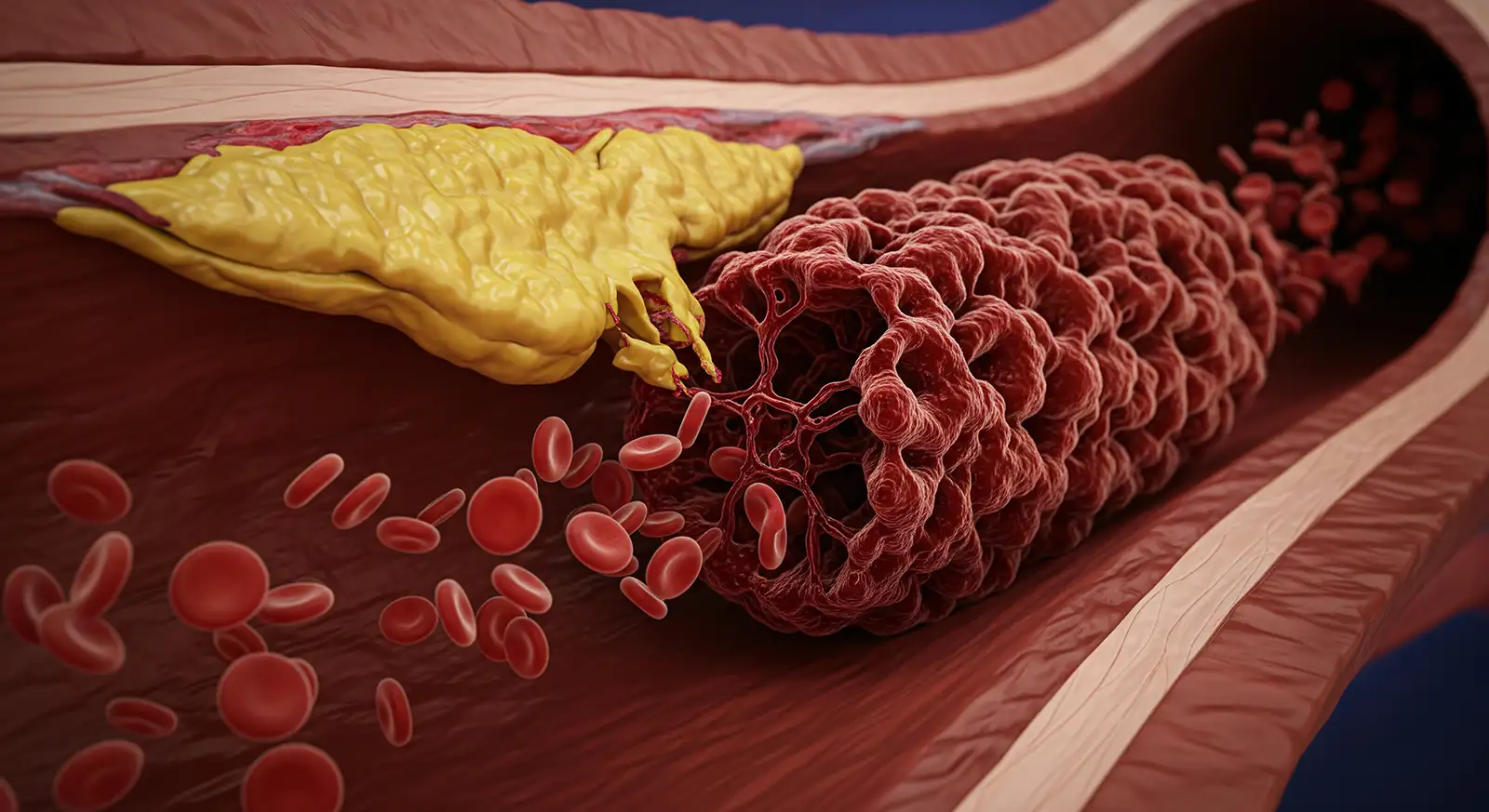
Most heart attacks are triggered by the rupture of vulnerable arterial plaque, not by severe blockages that gradually cut off blood flow. When an inflamed, unstable plaque ruptures, it exposes its contents to the bloodstream, triggering a blood clot that can completely block the artery within minutes. This is why many heart attacks occur suddenly in people who had no prior symptoms and why arteries that appear only moderately blocked on imaging can cause fatal events. Understanding what makes plaque vulnerable and what triggers rupture is essential for true prevention.
Plaque Rupture, Not Severe Blockage: Approximately 70% of heart attacks occur in arteries that were less than 50% blocked before the event. The danger comes from unstable plaque that ruptures, not from gradually worsening obstruction.
Inflammation Determines Vulnerability: Inflamed plaques with thin fibrous caps and large lipid cores are most likely to rupture. Reducing inflammation stabilizes plaque and reduces heart attack risk even when plaque remains present.
Acute Triggers Can Precipitate Events: Physical exertion, emotional stress, sudden temperature changes, and other acute stressors can trigger plaque rupture in vulnerable individuals, explaining why heart attacks sometimes follow specific events.
Prevention Requires Addressing Vulnerability: Stents and bypass surgery address severe blockages but do not stabilize vulnerable plaques elsewhere in the coronary arteries. True prevention requires reducing the inflammation and metabolic dysfunction that make plaques dangerous.
Understanding How Heart Attacks Happen
The traditional view of heart attacks imagined a gradual process: plaque slowly builds up, the artery narrows progressively, and eventually blood flow is cut off. This model suggested that finding and opening severe blockages would prevent heart attacks. However, research over the past several decades has revealed a very different picture.
The Vulnerable Plaque
Not all plaques are equally dangerous. Vulnerable plaques, also called unstable plaques, share certain characteristics: a large core of lipids and dead cells, a thin fibrous cap covering that core, active inflammation with abundant immune cells, and poor structural integrity. These plaques may not significantly narrow the artery but are prone to sudden rupture. In contrast, stable plaques have thick fibrous caps, smaller lipid cores, less inflammation, and often significant calcification. Stable plaques may cause more narrowing but are less likely to rupture suddenly.
The Rupture Event
When a vulnerable plaque ruptures, the thin fibrous cap tears open, exposing the lipid-rich core to flowing blood. The body recognizes this material as a wound and immediately begins forming a clot. Within minutes, the clot can grow large enough to completely block the artery. The heart muscle downstream of the blockage is suddenly deprived of oxygen. Without rapid restoration of blood flow, that muscle begins to die. This is a heart attack.
Why Severe Blockages Are Not The Main Threat
Studies examining arteries after fatal heart attacks consistently find that the culprit lesion was often a moderate plaque that ruptured, not the most severely blocked segment. This explains a puzzling clinical observation: many patients who undergo successful stenting of severe blockages still have heart attacks later, often from a different location in the coronary arteries. The stent addressed the tightest narrowing but did not address vulnerable plaques elsewhere.
What Makes Plaque Vulnerable
Chronic Inflammation
Inflammation is the central factor determining plaque vulnerability. Inflammatory cells within the plaque release enzymes that digest the fibrous cap, making it thinner and weaker. Inflammation also promotes the accumulation of lipids and cellular debris in the plaque core, expanding the dangerous material that will be exposed if rupture occurs. Systemic inflammation, measured by markers like hsCRP, predicts heart attack risk independently of cholesterol levels because it reflects the likelihood that existing plaques are vulnerable.
Lipid-Rich Plaque Core
Plaques with large cores of oxidized lipids and dead foam cells are more dangerous than those with smaller lipid content. The lipid core is highly thrombogenic, meaning it strongly triggers clot formation when exposed to blood. Aggressive LDL lowering can reduce lipid content within plaques, shrinking the core and making rupture less catastrophic even if it occurs.
Thin Fibrous Cap
The fibrous cap is all that separates the dangerous plaque contents from the bloodstream. Caps thinner than 65 micrometers are considered high-risk for rupture. Inflammation thins the cap by destroying collagen and preventing new collagen formation. Statins and other interventions that reduce inflammation can promote cap thickening and stabilization.
Lack Of Calcification
Counterintuitively, calcified plaques are generally more stable than non-calcified plaques. Calcification represents a late stage of plaque development where the lesion has become hardened and less prone to rupture. This is why coronary artery calcium scores, while indicating the presence of atherosclerosis, do not directly measure heart attack risk. A high calcium score confirms significant plaque burden, but the most dangerous plaques may be the softer, non-calcified ones that do not show up on calcium scoring.
Acute Triggers Of Heart Attacks
While vulnerable plaque is the underlying condition that makes heart attacks possible, specific triggers often precipitate the actual rupture event. Understanding these triggers explains why heart attacks sometimes cluster around certain activities or times.
Physical Exertion: Sudden, intense physical activity, especially in people who are not regularly active, can trigger heart attacks. The combination of increased heart rate, blood pressure, and stress hormones can cause vulnerable plaques to rupture. This does not mean exercise is dangerous; regular moderate exercise actually stabilizes plaque and reduces risk. The danger comes from sudden, unaccustomed exertion.
Emotional Stress: Intense emotional experiences, including anger, grief, and acute anxiety, can trigger heart attacks. Stress hormones increase heart rate and blood pressure while promoting inflammation and clotting. Studies show increased heart attack rates following events like earthquakes, wars, and even stressful sporting events.
Cold Exposure: Cold temperatures cause blood vessels to constrict, raising blood pressure and increasing cardiac workload. Heart attack rates are consistently higher in winter months and following sudden cold snaps. Shoveling snow combines cold exposure with physical exertion, creating a particularly high-risk situation.
Morning Hours: Heart attacks occur most frequently in the early morning hours. Upon waking, blood pressure surges, stress hormones peak, and blood becomes more prone to clotting. This circadian pattern reflects normal physiology but creates a window of increased vulnerability for those with unstable plaques.
Infections And Illness: Acute infections, including influenza and pneumonia, significantly increase heart attack risk in the days and weeks following infection. The inflammatory response to infection can destabilize plaques. This is one reason flu vaccination is recommended for those with cardiovascular disease.
Heavy Meals: Large meals, particularly those high in fat, can trigger heart attacks in vulnerable individuals. Digestion diverts blood flow to the gut, increases heart rate, and temporarily impairs endothelial function. The effect is most pronounced in those with existing coronary disease.
Sleep Deprivation: Acute sleep loss increases inflammation, raises blood pressure, impairs glucose metabolism, and promotes clotting. Chronic sleep deprivation compounds these effects over time. Both short sleep duration and poor sleep quality are associated with increased cardiovascular events.
What You Should Consider
Focus On Plaque Stability, Not Just Blockage: Reducing inflammation and improving metabolic health can stabilize vulnerable plaques throughout the coronary arteries, providing protection that stenting a single blockage cannot.
Measure Inflammation: Standard cholesterol testing does not assess plaque vulnerability. Inflammatory markers like hsCRP provide additional information about your risk of plaque rupture.
Address Root Causes: The factors that make plaques vulnerable, including inflammation, insulin resistance, oxidative stress, and metabolic dysfunction, are modifiable through lifestyle changes and, when needed, targeted medical therapy.
Be Aware Of Triggers: If you have risk factors for heart disease, be cautious with sudden intense exertion, extreme temperatures, and other known triggers. Build exercise intensity gradually, manage stress, and prioritize sleep.
Do Not Rely On Absence Of Symptoms: Because dangerous plaques often do not cause symptoms until they rupture, absence of chest pain does not mean absence of risk. Proactive assessment is essential, especially if you have risk factors.
When To Seek Care Urgently
Call emergency services immediately for chest pain or pressure lasting more than a few minutes, pain spreading to the shoulder, arm, jaw, neck, or back, shortness of breath with or without chest discomfort, cold sweats, nausea, or lightheadedness, sudden overwhelming fatigue, or a sense that something is seriously wrong. Time is critical during a heart attack. Every minute of delay means more heart muscle damage. Do not drive yourself to the hospital. Call emergency services so treatment can begin immediately.
Talk it through with our team
If you want to understand your risk for heart attack and address the factors that make plaques vulnerable, a comprehensive evaluation that assesses inflammation, metabolic health, and advanced cardiovascular markers can provide a clearer picture than standard testing alone.
Book a discovery call →References
- Arbab-Zadeh A, Fuster V. From Detecting the Vulnerable Plaque to Managing the Vulnerable Patient: JACC State-of-the-Art Review. J Am Coll Cardiol. 2019;74(12):1582-1593.
- Yang S, Koo BK, Narula J. Interactions Between Morphological Plaque Characteristics and Coronary Physiology: From Pathophysiological Basis to Clinical Implications. JACC Cardiovasc Imaging. 2022;15(6):1139-1151.
- Imbesi A, Greco A, Spagnolo M, et al. Targeting Inflammation After Acute Myocardial Infarction. J Am Coll Cardiol. 2025;86(15):1146-1169.
- Slipczuk L, Blankstein R, Bucciarelli-Ducci C, et al. State of the Art: Evaluation and Medical Management of Nonobstructive Coronary Artery Disease in Patients With Chest Pain: A Scientific Statement From the American Heart Association. Circulation. 2025;152(23):e443-e466.
More Heart Health Questions, Answered
This article is part of the HHC Clinical FAQ Series — in-depth answers to the most common heart health questions, written and reviewed by Dr. Regina Druz, MD, MBA, FACC, FMCP-M.