What Heals The Heart Naturally?

The heart has a remarkable capacity for healing when given the right conditions. Natural healing occurs when the factors that damage the cardiovascular system are removed and the factors that support repair are optimized. This includes reducing inflammation, restoring metabolic health, improving endothelial function, and supporting the body’s innate regenerative processes. While the heart cannot regrow muscle tissue lost to a heart attack, it can recover function, arteries can become healthier, plaque can stabilize or regress, and overall cardiovascular health can dramatically improve through natural interventions.
Healing Requires Removing The Insult: The body cannot heal while it is being continuously damaged. Identifying and eliminating the sources of inflammation, metabolic dysfunction, and oxidative stress is the first step in natural healing.
The Endothelium Is Central: The inner lining of blood vessels controls vascular health. Restoring endothelial function improves blood flow, reduces clotting risk, and creates conditions for arterial healing.
Multiple Systems Work Together: Cardiovascular healing involves the immune system, metabolic regulation, nervous system balance, and hormonal signaling. Interventions that support all of these systems produce better outcomes than targeting any single factor.
Time And Consistency Matter: Natural healing is not instant. The cardiovascular damage that accumulated over decades takes months to years to meaningfully reverse. Consistent application of healing practices produces cumulative benefits.
Understanding How The Heart Heals
The cardiovascular system is constantly remodeling itself. Blood vessel cells turn over, damaged proteins are replaced, and the body continuously works to maintain and repair its circulatory system. When the balance tips toward damage exceeding repair, disease progresses. When repair exceeds damage, healing occurs. Natural interventions work by shifting this balance.
Endothelial Regeneration
The endothelium, the single layer of cells lining all blood vessels, is the first line of cardiovascular defense. Healthy endothelium produces nitric oxide, which relaxes blood vessels, prevents clots, reduces inflammation, and blocks cholesterol from entering artery walls. When the endothelium is damaged, these protections fail. The good news is that endothelial function can improve relatively quickly with the right interventions. Exercise, dietary changes, and stress reduction can produce measurable improvements in endothelial function within weeks.
Inflammation Resolution
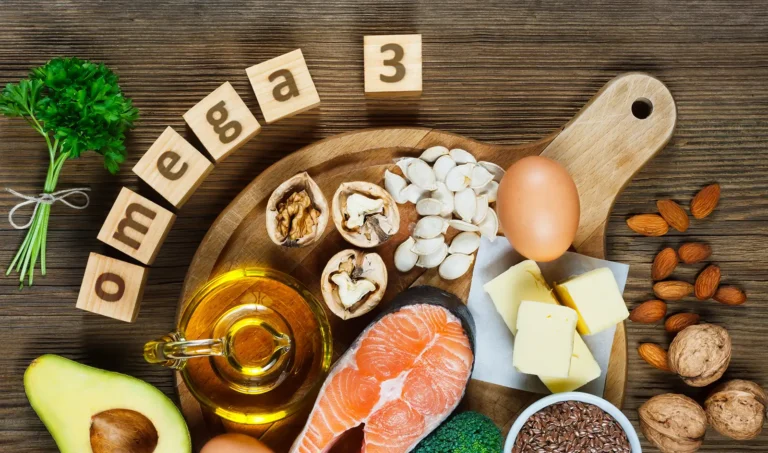
Chronic inflammation drives atherosclerosis at every stage. However, inflammation is not just something to suppress. The body has active resolution pathways that turn off inflammation and initiate repair. These pathways require specific nutrients, including omega-3 fatty acids, which are converted into specialized pro-resolving mediators. Supporting inflammation resolution, rather than simply blocking inflammation, allows healing to proceed while maintaining the immune function needed for protection against infection.
Plaque Stabilization And Regression
Arterial plaques are not static. They can grow more dangerous, stabilize, or even shrink depending on the biochemical environment. When inflammation decreases and lipid levels improve, plaques develop thicker, more stable fibrous caps and smaller lipid cores. In some cases, plaque volume actually decreases. Even when plaques do not shrink, stabilization dramatically reduces heart attack risk by preventing rupture.
Metabolic Restoration
Insulin resistance and metabolic dysfunction damage the cardiovascular system through multiple pathways. Restoring metabolic health, including insulin sensitivity, blood sugar regulation, and healthy energy metabolism, removes a major driver of cardiovascular damage. Metabolic improvement also enhances the body’s ability to repair itself by optimizing cellular energy production and reducing oxidative stress.
What Supports Natural Heart Healing
Movement And Exercise
Regular physical activity is one of the most powerful natural interventions for cardiovascular health. Exercise improves endothelial function by stimulating nitric oxide production. It enhances insulin sensitivity and metabolic health. It reduces inflammation and supports healthy blood pressure. It improves the heart’s efficiency and can even stimulate the growth of new blood vessels around blocked arteries, a process called collateralization. Both aerobic exercise and resistance training provide cardiovascular benefits, and the combination appears to be optimal.
Anti-Inflammatory Nutrition
Food directly influences inflammation, oxidative stress, and metabolic health. Diets rich in colorful vegetables provide polyphenols and antioxidants that protect blood vessels and reduce inflammation. Fatty fish supplies omega-3 fatty acids that support inflammation resolution. Fiber feeds beneficial gut bacteria that produce compounds supporting cardiovascular health. Nuts, olive oil, and other sources of healthy fats improve lipid profiles and endothelial function. Minimizing processed foods, added sugars, and industrial seed oils removes major sources of inflammation and metabolic disruption.
Sleep And Recovery
Sleep is when the body performs much of its repair work. During deep sleep, blood pressure drops, giving the cardiovascular system a chance to recover. Growth hormone is released, supporting tissue repair. The glymphatic system clears metabolic waste. Chronic sleep deprivation increases inflammation, raises blood pressure, worsens insulin resistance, and impairs endothelial function. Prioritizing seven to nine hours of quality sleep supports cardiovascular healing at a fundamental level.
Stress Management And Nervous System Balance
Chronic stress keeps the body in a state of heightened alert that damages the cardiovascular system over time. Elevated cortisol promotes visceral fat accumulation, insulin resistance, inflammation, and elevated blood pressure. The sympathetic nervous system, when chronically activated, increases heart rate and vascular resistance. Practices that activate the parasympathetic nervous system, including meditation, deep breathing, yoga, and time in nature, help restore balance. Heart rate variability, a measure of nervous system flexibility, improves with these practices and is associated with better cardiovascular outcomes.
Social Connection And Purpose
Research consistently shows that social isolation and loneliness increase cardiovascular risk as much as smoking or obesity. Conversely, strong social connections and a sense of purpose are associated with better cardiovascular outcomes. The mechanisms involve stress hormones, inflammation, and health behaviors. Humans are social creatures, and the heart responds to connection. Nurturing relationships and engaging in meaningful activities are genuine cardiovascular interventions.
Targeted Nutritional Support
Specific nutrients support cardiovascular healing when dietary intake is insufficient or needs are elevated. Omega-3 fatty acids from fish oil support inflammation resolution and improve lipid profiles. Magnesium supports healthy blood pressure and heart rhythm. Coenzyme Q10 supports cellular energy production in the heart muscle. Vitamin D influences inflammation and vascular function. Vitamin K2 helps direct calcium to bones rather than arteries. These supplements work best as part of a comprehensive approach and when guided by testing that identifies individual deficiencies.
Sunlight And Nature Exposure
Sunlight does more than produce vitamin D. Ultraviolet light triggers the release of nitric oxide from skin stores, lowering blood pressure. Infrared light penetrates tissue and may support mitochondrial function. Time in nature reduces stress hormones and inflammation. Regular outdoor activity combines the benefits of movement, light exposure, and stress reduction. Modern indoor lifestyles deprive the cardiovascular system of inputs it evolved to expect.
Fasting And Metabolic Flexibility
Periodic fasting activates cellular repair processes that are suppressed during constant feeding. Autophagy, the cellular recycling process that clears damaged components, is upregulated during fasting. Insulin levels drop, allowing insulin sensitivity to improve. The metabolic shift toward fat burning supports healthy body composition. Time-restricted eating, where food consumption is limited to a defined window each day, provides some of these benefits while being sustainable long-term.
What You Should Consider
Natural Does Not Mean Without Guidance: While the interventions described are natural, implementing them effectively often benefits from professional guidance. Testing can identify which factors are most important to address in your case, and monitoring can confirm that your approach is working.
Natural And Medical Approaches Can Work Together: Natural healing strategies are not alternatives to necessary medical care. They can be combined with medications when appropriate, often allowing lower doses or eventually reducing medication needs under medical supervision.
Consistency Outweighs Intensity: Sustainable practices maintained over months and years produce better outcomes than intense interventions that cannot be sustained. Find approaches that fit your life and can become permanent habits.
Address The Root Causes: Natural healing works by supporting the body’s repair mechanisms. This requires identifying and addressing what is causing damage in the first place. Without removing the underlying insults, even the best healing practices will struggle to keep up.
Healing Takes Time: Cardiovascular damage accumulates over decades. Meaningful reversal takes months to years of consistent effort. Be patient and track objective markers to confirm progress even before you feel dramatic changes.
When To Seek Care Urgently
Call emergency services immediately for chest pain or pressure, pain radiating to the arm, jaw, or back, sudden shortness of breath, sudden weakness or numbness, severe headache, confusion, fainting, or any symptoms suggesting a heart attack or stroke. Natural healing approaches are for prevention and long-term recovery, not for acute cardiovascular emergencies. Do not delay emergency care to try natural remedies.
Talk it through with our team
If you want to understand how to support your heart’s natural healing capacity, a comprehensive evaluation can identify which factors are most important to address and help you build a personalized plan that works with your body’s innate ability to heal.
Book a discovery call →References
- Li Z, Luo S, Bai X, Huang L, Wang D. Effect of Exercise on Endothelial Function in Prehypertensive and Hypertensive Individuals: A Network Meta-Analysis of Randomised Controlled Trials. J Sports Sci. 2025;:1-14.
- Fredman G, Serhan CN. Specialized Pro-Resolving Mediators in Vascular Inflammation and Atherosclerotic Cardiovascular Disease. Nat Rev Cardiol. 2024;21(11):808-823.
- Nielsen RV, Fuster V, Bundgaard H, et al. Personalized Intervention Based on Early Detection of Atherosclerosis: JACC State-of-the-Art Review. J Am Coll Cardiol. 2024;83(21):2112-2127.
- Aggarwal B, Gao Y, Alfini A, et al. Sleep and Circadian Rhythms in Cardiovascular Resilience: Mechanisms, Implications, and a Roadmap for Research and Interventions. Nat Rev Cardiol. 2025;:10.1038/s41569-025-01188-1.
More Heart Health Questions, Answered
This article is part of the HHC Clinical FAQ Series — in-depth answers to the most common heart health questions, written and reviewed by Dr. Regina Druz, MD, MBA, FACC, FMCP-M.