How to Lower Cholesterol Naturally: An Integrative Cardiologist’s Evidence-Based Guide
How to lower cholesterol naturally is one of the questions Dr. Regina Druz, MD, MBA, FACC, FMCP-M is most frequently asked — by patients who want to avoid medication, by patients already on statins who want to do more, and by patients whose cholesterol numbers have been flagged on a standard panel without any explanation of what’s driving the elevation. This guide covers the integrative approach: what the numbers actually mean, which lifestyle and dietary interventions have the strongest evidence, and which supplements are worth using.
Triglyceride-to-HDL ratio above 3.0 is a strong signal for insulin resistance — one of the most common drivers of atherogenic dyslipidemia.
Replacing saturated and trans fats with unsaturated fats (olive oil, avocados, nuts, fatty fish) reduces LDL by 10–20 mg/dL.
The right natural intervention depends entirely on what’s driving the elevation.
At Holistic Heart Centers, cholesterol management begins with advanced testing that goes beyond the standard four-number panel: NMR LipoProfile for LDL particle number and size, Lp(a) (measured once…
Understanding Your Cholesterol Numbers
Standard cholesterol panels report total cholesterol, LDL, HDL, and triglycerides. These four numbers are the starting point — not the full picture. The metrics that predict cardiovascular risk with the most precision are LDL particle number (LDL-P) and small dense LDL — small, dense particles penetrate arterial walls far more readily than large, buoyant LDL, yet standard panels only report LDL concentration. Non-HDL cholesterol (total cholesterol minus HDL) is a more reliable atherogenic marker than LDL alone. Triglyceride-to-HDL ratio above 3.0 is a strong signal for insulin resistance — one of the most common drivers of atherogenic dyslipidemia. Lipoprotein(a) [Lp(a)] is genetically determined and largely unresponsive to lifestyle — critical to measure because many “natural” interventions that lower LDL have no effect on Lp(a).
How to Lower Cholesterol Naturally: What the Evidence Shows
1. Dietary Modification — The Most Powerful Natural Intervention
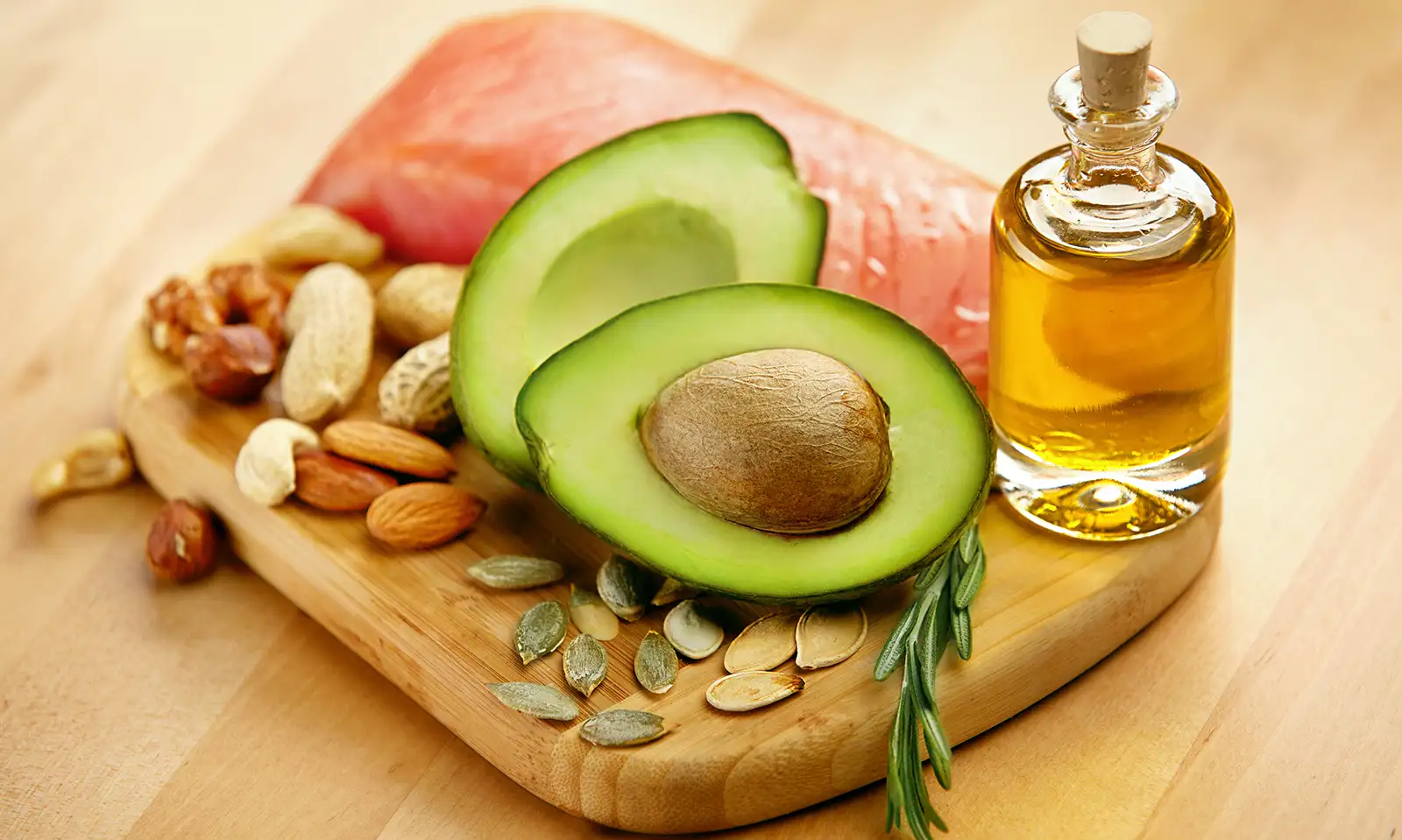
Replacing saturated and trans fats with unsaturated fats (olive oil, avocados, nuts, fatty fish) reduces LDL by 10–20 mg/dL. Soluble fiber (oats, beans, lentils, psyllium, flaxseed) binds bile acids in the intestine and prevents their reabsorption, forcing the liver to use more cholesterol to synthesize new bile — reducing LDL by 5–10 mg/dL per 5–10 grams of daily soluble fiber. Reducing refined carbohydrates and added sugar is the most effective dietary intervention for elevated triglycerides and the metabolic component of dyslipidemia. The Mediterranean diet pattern — rich in olive oil, vegetables, legumes, fish, and moderate in whole grains — reduces cardiovascular events by up to 30% independent of LDL reduction.
2. Plant Sterols and Stanols — 8–10% LDL Reduction
Plant sterols and stanols at 2 grams daily reduce LDL by 8–10% by competing with cholesterol for intestinal absorption. They are endorsed by the American Heart Association, the European Atherosclerosis Society, and the National Lipid Association as evidence-based dietary adjuncts to LDL reduction. They can be obtained from fortified foods or supplements and are safe for long-term use.
3. Aerobic Exercise — LDL and HDL Effects
Moderate-intensity aerobic exercise (150 minutes per week) reduces triglycerides by 10–20%, raises HDL by 3–6 mg/dL, and modestly reduces LDL by 3–6 mg/dL. More importantly, exercise improves LDL particle size — shifting LDL toward larger, less atherogenic particles — even when LDL concentration doesn’t change dramatically. Combined with dietary modification, exercise is the most effective non-pharmacologic intervention for metabolic dyslipidemia.
4. Weight Reduction
Each kilogram of weight lost reduces LDL by approximately 0.8 mg/dL, triglycerides by 1.3 mg/dL, and raises HDL by 0.4 mg/dL. For patients with metabolic syndrome and insulin resistance-driven dyslipidemia (elevated triglycerides, low HDL, mildly elevated LDL), weight loss of 5–10% of body weight produces dramatically larger lipid improvements than these average numbers suggest — because it addresses the root mechanism driving the abnormal lipid pattern.
5. Berberine — PCSK9 Inhibition Naturally
Berberine is the most pharmacologically sophisticated natural cholesterol supplement. It inhibits PCSK9 — the same protein targeted by prescription PCSK9 inhibitors, the most potent cholesterol drugs currently available. This increases hepatic LDL receptor expression and LDL clearance from the bloodstream. Meta-analyses confirm LDL reductions of approximately 18 mg/dL, triglyceride reductions of approximately 13 mg/dL, and modest HDL increases. Berberine is particularly effective in patients with concurrent insulin resistance or metabolic syndrome. Drug interaction review (CYP3A4) is required before use with statins or other medications.
6. Citrus Bergamot — AMPK Activation
Citrus bergamot extract from Calabria, Italy activates AMPK (AMP-activated protein kinase) — the same metabolic pathway as metformin — suppressing hepatic cholesterol and triglyceride synthesis. Meta-analyses report LDL reductions of approximately 55 mg/dL, total cholesterol reductions of approximately 64 mg/dL, triglyceride reductions near 75 mg/dL, and HDL increases of about 6 mg/dL. Bergamot also shifts LDL toward larger, less atherogenic particles, has no significant drug interactions, and is the best-tolerated cholesterol supplement for patients on statin therapy. Standard dose: 500–1,500 mg daily.
7. Omega-3 Fatty Acids — Triglyceride Reduction
EPA and DHA at therapeutic doses (2–4 grams daily) reduce triglycerides by 20–50% — the most effective non-prescription intervention for hypertriglyceridemia. The REDUCE-IT trial demonstrated that high-dose EPA (4 grams daily of icosapentaenoic acid) reduced major cardiovascular events by 25% in statin-treated patients with elevated triglycerides, providing outcomes-level evidence beyond lipid number changes. Standard prescription doses are 2–4 grams EPA+DHA daily; dietary fish (2–3 servings weekly of fatty fish) provides approximately 0.5–1 gram daily.
What Causes Elevated Cholesterol: Identifying Your Driver
The right natural intervention depends entirely on what’s driving the elevation. Genetic causes (familial hypercholesterolemia, elevated Lp(a)) require different strategies than metabolic causes (insulin resistance, metabolic syndrome). Hypothyroidism is one of the most commonly missed causes of elevated LDL — a full thyroid panel, not just TSH, is needed to rule it out. Diet-driven cholesterol elevation responds well to dietary and fiber interventions. Metabolic syndrome-driven dyslipidemia responds best to carbohydrate reduction, berberine, and weight management.
When to See a Doctor About Your Cholesterol
See a physician promptly if your LDL is above 190 mg/dL (likely familial hypercholesterolemia requiring medical management), your 10-year cardiovascular risk exceeds 7.5%, you have diabetes, kidney disease, or established heart disease, or you have a family history of heart attack or stroke before age 55 in men or 65 in women. Natural interventions are appropriate first steps for lower-risk patients with mild-to-moderate LDL elevation — but they require a baseline risk assessment to determine whether they’re sufficient.
The Integrative Cardiology Approach
At Holistic Heart Centers, cholesterol management begins with advanced testing that goes beyond the standard four-number panel: NMR LipoProfile for LDL particle number and size, Lp(a) (measured once, genetically fixed), fasting insulin and HOMA-IR (to identify metabolic drivers), oxidized LDL and hsCRP (for inflammatory and oxidative burden), and a full thyroid panel. The right natural intervention is matched to the mechanism driving the elevation — not applied generically. Dr. Druz’s approach treats elevated cholesterol as a symptom pointing to an upstream cause that a number on a standard panel alone cannot identify.
Frequently Asked Questions
How much can diet lower cholesterol?
A comprehensive dietary approach — replacing saturated fat with unsaturated fat, adding 10 grams of daily soluble fiber, including plant sterols at 2 grams daily, and following a Mediterranean diet pattern — can reduce LDL by 20–30 mg/dL. This is equivalent to a low-dose statin and meaningful for lower-risk patients. For higher-risk patients or those with LDL above 160 mg/dL, dietary intervention is a foundation but typically requires supplement or pharmacologic support to achieve guideline targets.
What is the fastest natural way to lower cholesterol?
The combination of dietary modification (saturated fat reduction + soluble fiber increase) with plant sterols and citrus bergamot produces the most rapid natural LDL reduction — typically visible on a repeat lipid panel at 8–12 weeks. Berberine is the most effective option for patients with concurrent insulin resistance. No natural intervention lowers cholesterol in days — expect 2–3 months for meaningful lipid panel changes.
Does exercise lower cholesterol?
Regular aerobic exercise raises HDL by 3–6 mg/dL, reduces triglycerides by 10–20%, and modestly lowers LDL. More significantly, exercise improves LDL particle size — the key quality metric that standard panels miss. Combined with dietary changes, exercise is the most effective lifestyle intervention for the metabolic component of dyslipidemia and produces cardiovascular risk reduction that goes well beyond the lipid number changes it generates.
Want to know what’s actually driving your cholesterol elevation
The Step 1 Explore visit at Holistic Heart Centers includes advanced lipid particle testing, Lp(a) measurement, metabolic markers, and a personalized natural management protocol.
Schedule a free strategy call →References
- Blais JE, et al. Overall and Sex-Specific Effect of Berberine for Dyslipidemia. Drugs. 2023;83(5):455-476.
- Sadeghi-Dehsahraei H, et al. The Effect of Bergamot Supplementation on Lipid Profiles. Phytotherapy Research. 2022.
- Bhatt DL, et al. Cardiovascular Risk Reduction with Icosapentaenoic Acid (REDUCE-IT). N Engl J Med. 2019;380(1):11-22.
- Gylling H, et al. Plant Sterols and Plant Stanols in the Management of Dyslipidaemia. Eur Heart J. 2014;35(18):1146-1157.
More Articles on Heart Disease
-
Can Diet Reverse Heart Disease?
Read more →: Can Diet Reverse Heart Disease?Heart Disease Diet can contribute to reversing heart disease, particularly when it addresses the root causes of atherosclerosis like inflammation, insulin resistance, and oxidative stress. Clinical trials have demonstrated measurable plaque regression with intensive dietary intervention. However, diet alone may not be sufficient for everyone, especially those with advanced disease, genetic risk factors, or significant…
-
What Causes Heart Disease?
Read more →: What Causes Heart Disease?Heart Disease Heart disease is caused by damage to the blood vessels and heart muscle that accumulates over time. While cholesterol often receives the most attention, the actual disease process is driven by a combination of chronic inflammation, metabolic dysfunction, oxidative stress, and arterial damage. These factors interact to create atherosclerosis, the buildup of plaque…
-
Why Is Heart Disease The Leading Cause Of Death?
Read more →: Why Is Heart Disease The Leading Cause Of Death?Heart Disease Heart disease remains the leading cause of death worldwide because it develops silently over decades, is driven by common modern lifestyle factors, and is often detected too late requiring invasive intervention. The cardiovascular system is uniquely vulnerable to the cumulative effects of inflammation, metabolic dysfunction, and arterial damage. Unlike many other diseases, heart…
See all Heart Disease articles → | Back to Heart Health Blog