How to Stop Heart Palpitations: Natural Remedies That Work — and When to See a Cardiologist

How to stop heart palpitations is one of the most common questions Dr. Regina Druz, MD, MBA, FACC, FMCP-M fields in the clinic — and one of the most mismanaged. Most people are told palpitations are “nothing to worry about” after a normal EKG. What they’re rarely told is that the most common causes of benign palpitations are entirely fixable: low intracellular magnesium, caffeine, alcohol, sleep apnea, and autonomic imbalance. This guide covers what actually works, the specific techniques that interrupt palpitations in the moment, and the warning signs that mean you need a cardiologist — not a home remedy.
A full thyroid panel (TSH, Free T4, Free T3, reverse T3) — not just TSH — is required to rule this out.
The Valsalva maneuver: Take a deep breath, hold it, and bear down as if you’re straining for a bowel movement for 10–15 seconds.
Regina Druz, MD, MBA, FACC, FMCP-M goes further: RBC magnesium and intracellular potassium levels, a full thyroid panel (TSH, Free T4, Free T3, reverse T3), sleep apnea screening…
The modified Valsalva maneuver is the most effective immediate intervention for SVT-type palpitations — bear down hard for 15 seconds while lying flat, then immediately raise your legs.
What Causes Heart Palpitations?
Heart palpitations — the awareness of your heartbeat as fluttering, pounding, skipping, or racing — can originate from benign triggers or underlying cardiac conditions. Understanding which category you’re in changes everything about how you respond.
Benign Triggers (the most common causes)
- Low intracellular magnesium — The most commonly missed cause of palpitations. Magnesium stabilizes the electrical membrane of cardiac cells. Serum magnesium is a poor surrogate — RBC magnesium testing accurately measures true intracellular levels, which are frequently low even when serum looks normal.
- Caffeine and stimulants — Coffee, energy drinks, pre-workout supplements, and decongestants (pseudoephedrine) all increase sympathetic tone and can trigger premature atrial and ventricular contractions (PACs and PVCs).
- Alcohol — Even moderate alcohol consumption increases atrial ectopic activity. The “holiday heart” phenomenon — AFib triggered by alcohol — is well-documented. Any amount of alcohol can worsen palpitations in susceptible individuals.
- Dehydration and electrolyte imbalance — Low potassium and magnesium from inadequate intake or diuretic use are direct triggers for electrical instability.
- Sleep deprivation and sleep apnea — Nocturnal hypoxia from obstructive sleep apnea is one of the strongest modifiable triggers of arrhythmia. If you wake with palpitations or have been told you snore, sleep apnea evaluation is mandatory.
- Anxiety and sympathetic overdrive — Chronic stress elevates baseline sympathetic tone, lowering the threshold for ectopic beats and tachycardia.
- Thyroid dysfunction — Both hyper- and hypothyroidism alter cardiac conduction. A full thyroid panel (TSH, Free T4, Free T3, reverse T3) — not just TSH — is required to rule this out.
Medical Conditions Requiring Evaluation
- Atrial fibrillation (AFib) — irregular, often rapid rhythm with stroke risk
- Premature ventricular contractions (PVCs) — frequent PVCs can impair cardiac function
- Supraventricular tachycardia (SVT) — sudden-onset rapid rhythm at 150–250 bpm
- Ventricular tachycardia — urgent; requires immediate evaluation
- Structural heart disease — cardiomyopathy, valvular disease, prior myocardial infarction
How to Stop Heart Palpitations: 7 Evidence-Based Approaches
1. Vagal Maneuvers — Interrupt Palpitations in the Moment
Vagal maneuvers work by stimulating the vagus nerve, which slows conduction through the AV node and can terminate certain reentrant tachycardias (particularly SVT) within seconds. These are the most immediately effective interventions for acute palpitations:
- The Valsalva maneuver: Take a deep breath, hold it, and bear down as if you’re straining for a bowel movement for 10–15 seconds. This is the most studied vagal maneuver and terminates SVT in approximately 20–40% of episodes.
- Modified Valsalva (most effective): Perform the standard Valsalva lying down, then immediately elevate your legs to 45 degrees for 15 seconds after releasing. A 2015 Lancet study found this modified version terminates SVT in 43% of cases vs. 17% for the standard technique.
- Cold water immersion: Splash cold water on your face or submerge your face briefly — this activates the diving reflex, a powerful parasympathetic response that slows heart rate within seconds.
- Carotid sinus massage: Gentle pressure on the carotid sinus (side of the neck) for 5–10 seconds. Only perform this under physician guidance — contraindicated with carotid artery disease.
- Coughing: A forceful cough generates a sharp increase in chest pressure that can reset the rhythm.
2. Diaphragmatic Breathing — Engage the Parasympathetic System
Slow diaphragmatic breathing directly engages the parasympathetic nervous system via the vagus nerve. The most effective pattern: inhale for 4 counts, hold for 4, exhale for 6–8 counts. The extended exhale is critical — it’s during the exhale phase that vagal tone increases. Practice this for 5 minutes at the first sign of palpitations. Physiologically, this reduces sympathetic overdrive and lowers the ectopic firing threshold within minutes.
3. Correct Magnesium Deficiency — The Root Cause Approach
Low intracellular magnesium is the single most commonly missed driver of recurrent palpitations in Dr. Druz’s patient population. Magnesium is a natural calcium channel blocker — it stabilizes the cardiac electrical membrane and reduces ectopic firing. Standard serum magnesium misses intracellular deficiency in up to 50% of cases. RBC magnesium is the accurate test. Supplementation with magnesium glycinate or taurate at 200–400 mg daily typically shows results within 4–8 weeks. Magnesium taurate has specific affinity for cardiac tissue and is the preferred form for arrhythmia-related indications.
4. Eliminate Stimulant and Alcohol Triggers
This is the highest-yield lifestyle intervention for most patients with benign palpitations. Caffeine dose-dependently increases ectopic beat frequency — if you experience palpitations, eliminate caffeine for 4 weeks and observe the change. Alcohol, even in moderate amounts, should be eliminated or dramatically reduced. Energy drinks combine caffeine with other stimulants and should be avoided entirely. Decongestants containing pseudoephedrine are a commonly overlooked trigger.
5. Potassium-Rich Foods and Hydration
Potassium maintains the electrochemical gradient across cardiac cell membranes. Low potassium directly increases ectopic beat frequency and ventricular irritability. Foods with the highest potassium density: avocados (975 mg per cup), cooked spinach (840 mg per cup), sweet potatoes (950 mg per medium), and bananas (422 mg). Adequate hydration — minimum 8 glasses of water daily — maintains plasma volume and prevents the hemoconcentration that worsens electrolyte imbalance. Coconut water provides a practical electrolyte repletion option.
6. Treat Underlying Sleep Apnea
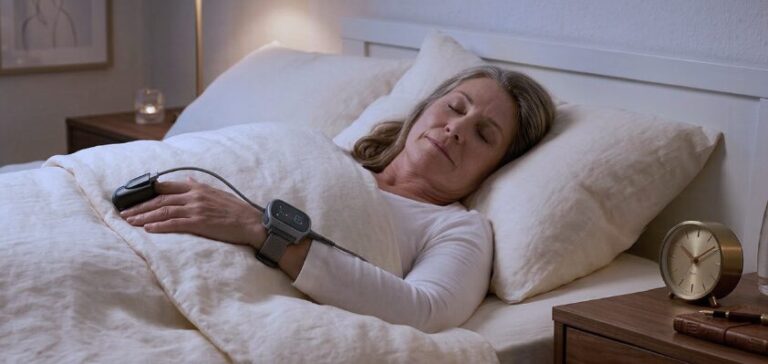
Obstructive sleep apnea is one of the most underdiagnosed drivers of palpitations and atrial arrhythmias. Nocturnal hypoxia creates electrical instability in the atria, and the surges in sympathetic tone during apnea events trigger ectopic beats throughout the day. If you snore loudly, wake unrefreshed, or have been told you stop breathing during sleep, a home sleep study is the next step — not another round of waiting to see if palpitations resolve.
7. Reduce Sympathetic Tone Through Structured Stress Management
Chronic psychological stress maintains a state of sympathetic activation that lowers the threshold for palpitations. The most clinically effective interventions are those with documented effects on heart rate variability (HRV): regular aerobic exercise (30 minutes most days), yoga with specific emphasis on breathwork and parasympathetic activation, and mindfulness meditation practiced consistently. These are not vague lifestyle suggestions — each has measurable effects on autonomic balance that directly reduce ectopic beat frequency.
When to See a Doctor About Heart Palpitations
Seek emergency care immediately for palpitations accompanied by chest pain or pressure, fainting or near-fainting, palpitations in anyone with known structural heart disease or prior heart attack, and sustained rapid heart rate above 150 bpm at rest.
See a cardiologist promptly (within 1–2 weeks) for palpitations that are new and frequent (multiple times per week), palpitations triggered by exercise, an irregular pulse detected at home, a family history of sudden cardiac death or arrhythmia, and palpitations lasting more than a few minutes.
See a physician for evaluation when palpitations are recurrent even if brief, associated with significant anxiety or lifestyle limitation, occurring in the context of known thyroid disease, or in perimenopausal or postmenopausal women — where hormonal fluctuations are a significant and underrecognized trigger that requires specific evaluation.
The Integrative Cardiology Approach to Palpitations
Standard cardiology evaluates palpitations with an EKG and echocardiogram. When both are normal, patients are often told nothing is wrong — which is technically accurate but clinically unhelpful. As an integrative cardiologist, Dr. Regina Druz, MD, MBA, FACC, FMCP-M goes further: RBC magnesium and intracellular potassium levels, a full thyroid panel (TSH, Free T4, Free T3, reverse T3), sleep apnea screening via home sleep testing, a 24-hour or 48-hour Holter monitor to capture the actual rhythm during symptoms, inflammatory markers (hsCRP), and a detailed review of caffeine, alcohol, supplement, and medication history. The trigger is almost always identifiable — and almost always addressable.
Frequently Asked Questions About Heart Palpitations
What is the fastest way to stop heart palpitations?
The modified Valsalva maneuver is the most effective immediate intervention for SVT-type palpitations — bear down hard for 15 seconds while lying flat, then immediately raise your legs. Cold water splashed on the face activates the diving reflex and can also interrupt palpitations within seconds. For non-SVT palpitations, slow diaphragmatic breathing with an extended exhale (4 counts in, 6–8 out) engages the parasympathetic system and typically reduces ectopic activity within minutes.
Can magnesium stop heart palpitations?
Yes — low intracellular magnesium is one of the most common and most missed causes of recurrent palpitations. Magnesium stabilizes the cardiac electrical membrane and functions as a natural calcium channel blocker. Standard serum magnesium testing misses intracellular deficiency — RBC magnesium is the accurate test. Magnesium glycinate or taurate at 200–400 mg daily typically reduces palpitation frequency within 4–8 weeks in patients with true deficiency.
Does caffeine cause heart palpitations?
Caffeine dose-dependently increases sympathetic nervous system activity and ectopic beat frequency in susceptible individuals. Not everyone with palpitations needs to eliminate caffeine, but anyone with frequent palpitations should trial a 4-week caffeine elimination to assess impact. Energy drinks are particularly problematic because they combine caffeine with other stimulants like taurine and B vitamins at high doses.
Are heart palpitations dangerous?
The vast majority of heart palpitations — particularly occasional “skipped beats” or brief fluttering — are benign. However, palpitations with chest pain, fainting, exercise-induced palpitations, or sustained rapid rates require urgent evaluation. The key distinction is not how palpitations feel, but what they represent electrically — which requires monitoring, not just reassurance.
Can anxiety cause heart palpitations?
Yes — anxiety and chronic stress maintain sympathetic nervous system activation that directly lowers the threshold for ectopic beats. However, attributing palpitations solely to anxiety without cardiac evaluation is a clinical error. The two often coexist, and treating anxiety without identifying an underlying arrhythmia or electrolyte deficiency leaves the root cause unaddressed.
Experiencing recurrent palpitations
The Step 1 Explore visit at Holistic Heart Centers includes a complete palpitations workup — rhythm monitoring, electrolyte panel including RBC magnesium, thyroid evaluation, and sleep apnea screening — with a personalized management plan from Dr. Druz.
Schedule a free strategy call →References
- Appelboam A, et al. Postural modification to the standard Valsalva manoeuvre for emergency treatment of supraventricular tachycardias. Lancet. 2015;386(10005):1747-1753.
- Guo P, et al. Association of magnesium deficiency with arrhythmia and cardiovascular mortality. Am J Cardiol. 2020.
- Linz D, et al. Sleep Apnea and Atrial Fibrillation. J Am Coll Cardiol. 2018;71(19):2123-2135.
- Csengeri D, et al. Alcohol Consumption, Cardiac Biomarkers, and Risk of Atrial Fibrillation. Eur Heart J. 2021;42(12):1170-1177.
More Articles on Heart Disease
-
Can Diet Reverse Heart Disease?
Read more →: Can Diet Reverse Heart Disease?Heart Disease Diet can contribute to reversing heart disease, particularly when it addresses the root causes of atherosclerosis like inflammation, insulin resistance, and oxidative stress. Clinical trials have demonstrated measurable plaque regression with intensive dietary intervention. However, diet alone may not be sufficient for everyone, especially those with advanced disease, genetic risk factors, or significant…
-
What Causes Heart Disease?
Read more →: What Causes Heart Disease?Heart Disease Heart disease is caused by damage to the blood vessels and heart muscle that accumulates over time. While cholesterol often receives the most attention, the actual disease process is driven by a combination of chronic inflammation, metabolic dysfunction, oxidative stress, and arterial damage. These factors interact to create atherosclerosis, the buildup of plaque…
-
Why Is Heart Disease The Leading Cause Of Death?
Read more →: Why Is Heart Disease The Leading Cause Of Death?Heart Disease Heart disease remains the leading cause of death worldwide because it develops silently over decades, is driven by common modern lifestyle factors, and is often detected too late requiring invasive intervention. The cardiovascular system is uniquely vulnerable to the cumulative effects of inflammation, metabolic dysfunction, and arterial damage. Unlike many other diseases, heart…
See all Heart Disease articles → | Back to Heart Health Blog