Can You Live A Long Life With Calcified Arteries?
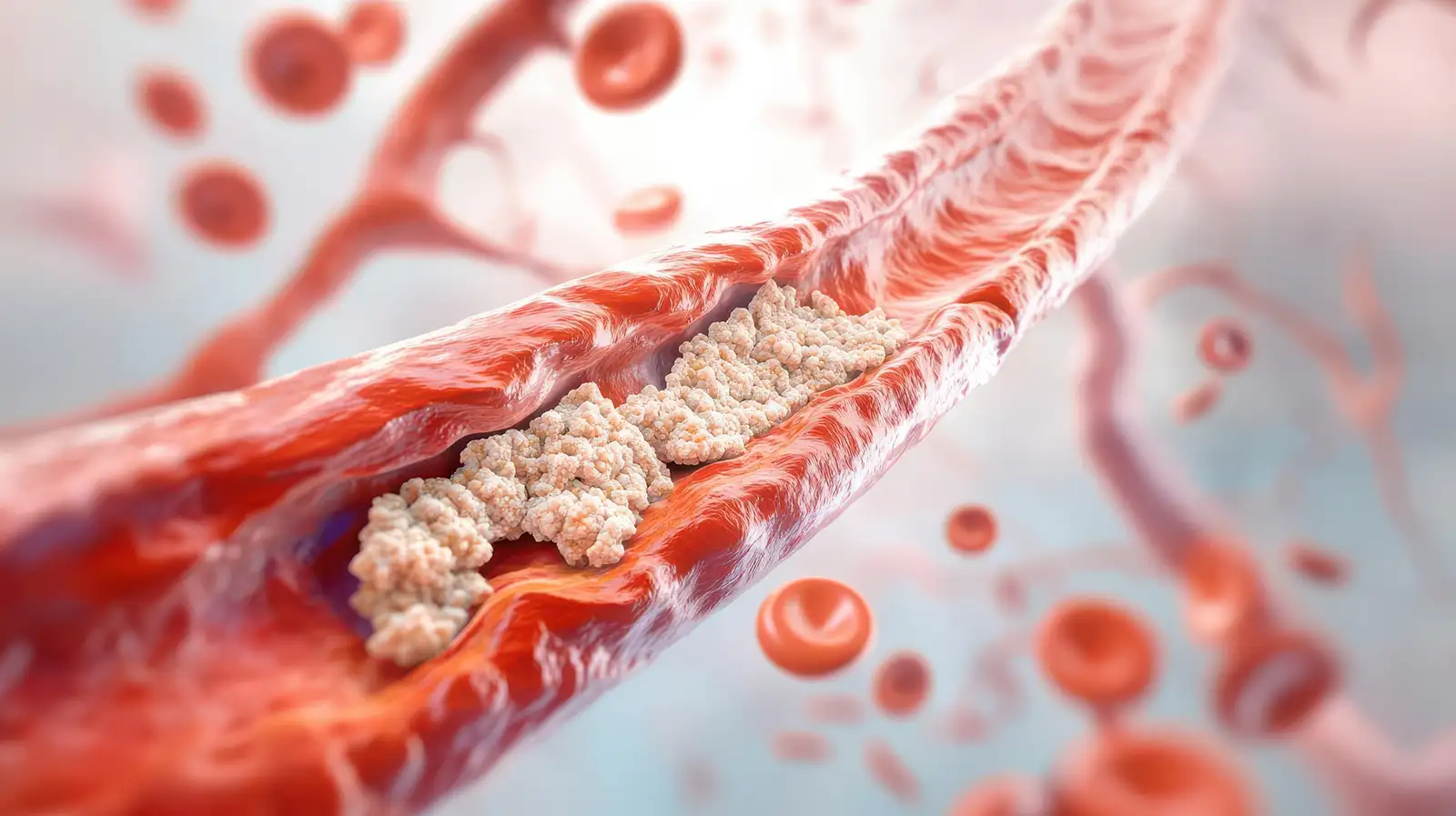
Yes, many people live long, active lives with calcified arteries, but the outcome depends entirely on what you do after discovering the calcium. Coronary artery calcium is a marker of atherosclerosis, indicating that plaque has been building in your arteries over time. It is a hallmark of arterial aging. The total amount of calcium burden is shaping cardiac risk, with individuals who have higher scores experiencing more cardiac events. It is important to understand that coronary artery calcium indicates the rate of coronary artery aging. Heavily calcified arteries may also have plaques with spotty calcification, or unstable, inflamed plaque causing heart attacks when they rupture. Calcified plaque is considered more stable than soft, non-calcified plaque. The real question is two-fold: not only is it important where and how much calcium you have, but whether the disease process that created it is still active and whether you have vulnerable plaque that could rupture. By aggressively addressing inflammation, metabolic dysfunction, and other root causes, you can stabilize existing plaque, slow or stop progression, and live a long, healthy life despite what the calcium score reveals about your past.
Calcium Is A Marker of Heart in Danger: Coronary artery calcium tells you that atherosclerosis has been occurring. It does not tell you whether the disease is currently active or whether you have dangerous unstable plaque. Calcified plaque is generally more stable than soft, non-calcified plaque at the individual lesion level.
Heart Attacks Come From Plaque Rupture, Not Calcium: Most heart attacks occur when soft, inflamed, vulnerable plaque ruptures and triggers a blood clot. Heavily calcified plaque is less likely to rupture. The goal is to stabilize plaque and reduce inflammation, not to remove calcium.
Progression Can Be Slowed Or Stopped: While existing calcium does not disappear, the disease process that creates it can be halted. By addressing root causes, you can prevent new plaque formation and stabilize what already exists.
Your Response To The Finding Determines Your Future: A coronary artery calcium score is a wake-up call and an opportunity. People who take aggressive action after discovering calcium often have better outcomes than those who never knew they had a problem and took no preventive action.
Understanding What Coronary Artery Calcium Means
Coronary artery calcium is detected through a CT scan that measures the amount of calcium deposits in the arteries supplying your heart. The result is expressed as a calcium score, with zero indicating no detectable calcium and higher numbers indicating more extensive calcification. A score of 1-99 indicates mild atherosclerosis, 100-399 indicates moderate disease, and 400 or above indicates extensive atherosclerosis.
What the calcium score actually represents is the footprint of past atherosclerotic activity. Calcium deposits form as part of the body’s attempt to wall off and stabilize areas of arterial damage and inflammation. In this sense, calcification is a healing response, the body’s way of containing a problem. The calcium you see on a scan reflects years or decades of this process.
However, the calcium score has important limitations. It does not tell you about soft plaque, which is actually more dangerous than calcified plaque. It does not reveal whether inflammation is currently active. It does not indicate whether your disease is progressing rapidly, slowly, or not at all. And it cannot predict with certainty whether or when you might have a cardiac event. This is why a calcium score alone, without understanding the broader context, provides incomplete information.
Why Calcified Plaque Is More Stable Than Soft Plaque
This may seem counterintuitive, but calcified plaque is generally safer than soft, non-calcified plaque. Understanding why requires knowing how heart attacks actually happen.
Heart attacks typically occur when a plaque ruptures. The rupture exposes the contents of the plaque to the bloodstream, triggering a clot that can block the artery. The plaques most likely to rupture are those with large lipid cores, thin fibrous caps, and active inflammation. These are called vulnerable plaques, and they are often soft and non-calcified.
Calcified plaques have undergone a maturation process. The calcium deposits create a harder, more stable structure that is less prone to rupture. This does not mean calcified plaques are harmless, as they still narrow arteries and indicate underlying disease, but they are less likely to cause the sudden catastrophic events that soft plaques can trigger.
This is why the goal of treatment is not to remove or reduce calcium but to stabilize all plaque, reduce inflammation, and prevent new vulnerable plaque from forming. A stable artery with some calcified plaque is far safer than an artery with active, inflamed, soft plaque that could rupture at any time.
What Determines Your Prognosis With Calcified Arteries
Whether The Disease Process Is Still Active: If the inflammation and metabolic dysfunction that caused your calcium deposits are still present, the disease will continue to progress. If these root causes are addressed, progression can be slowed or stopped.
The Presence Of Vulnerable Plaque: Calcium score alone does not reveal soft plaque. More advanced imaging like CT angiography can identify non-calcified plaque and assess plaque characteristics. Someone with a moderate calcium score but significant soft plaque may be at higher risk than someone with a higher calcium score but mostly stable, calcified disease.
Your Inflammatory Status: Inflammation drives plaque instability and rupture. Markers like hs-CRP, Lp-PLA2, and oxidized LDL provide information about inflammatory activity. High inflammation with calcified arteries represents greater risk than low inflammation with the same calcium burden.
Your Metabolic Health: Insulin resistance, blood sugar dysregulation, and metabolic syndrome accelerate atherosclerosis progression and promote plaque instability. Addressing metabolic dysfunction is essential for improving prognosis regardless of your current calcium score.
Other Cardiovascular Risk Factors: Blood pressure, lipid levels, smoking status, and other modifiable factors all influence prognosis. Someone with calcified arteries who optimizes all these factors has a very different trajectory than someone who does not.
Rate Of Progression: Serial calcium scoring over time can reveal whether your disease is stable or progressing. Rapid progression, often defined as an increase of more than 15% per year, indicates active disease requiring more aggressive intervention. Slow or no progression suggests current approaches are working.
What You Can Do To Live Well With Calcified Arteries
Address Inflammation Aggressively: Inflammation is what makes plaque dangerous. Reducing chronic inflammation through diet, gut health optimization, removal of inflammatory triggers, and metabolic improvement stabilizes existing plaque and prevents new vulnerable plaque from forming.
Optimize Metabolic Health: Insulin resistance and blood sugar dysregulation accelerate atherosclerosis. Improving insulin sensitivity through nutrition, movement, sleep, and stress management creates a metabolic environment that slows disease progression.
Manage Lipids Appropriately: With existing arterial disease, optimizing lipid levels becomes more important. This does not necessarily mean simply lowering total cholesterol but achieving healthy LDL particle number and size, optimal HDL function, and low triglycerides.
Support Vascular Health: Endothelial function, arterial flexibility, and nitric oxide production all influence how your arteries respond to existing plaque. Exercise, nitrate-rich foods, stress management, and targeted nutrients support the vascular health that helps you live well despite calcium deposits.
Eliminate Modifiable Risk Factors: If you have calcified arteries, you cannot afford to carry additional risk factors. Blood pressure must be optimized. Smoking must be eliminated. Body composition should be addressed.
Consider Appropriate Medical Therapy: Depending on your complete risk picture, medications may be appropriate. Statins can reduce LDL and stabilize plaque. Aspirin may be recommended for secondary prevention in some cases. These decisions should be individualized based on comprehensive assessment.
Monitor Progression: Repeat calcium scoring every few years can track whether your interventions are working. Stable or slowly progressing scores suggest effective management. Rapid progression indicates the need to intensify treatment.
What your calcium score means for you depends on your specific heart health indicators and risk. The HeartWell Quiz takes about 4 minutes and gives you an assessment that you can share with your own physician.
Take the HeartWell Quiz →What You Should Consider
A Calcium Score Is Information, Not A Sentence: Discovering coronary artery calcium can be frightening, but it is better to know than not to know. This information allows you to take action before a heart attack or stroke occurs.
Get Beyond The Number: The calcium score alone does not tell the whole story. Comprehensive testing that includes inflammatory markers, advanced lipids, metabolic assessment, and potentially more detailed imaging provides the context needed to understand your actual risk.
Focus On What You Can Control: You cannot remove existing calcium, but you can address inflammation, optimize metabolism, improve lipids, and eliminate other risk factors. These controllable factors have enormous influence on your prognosis regardless of your calcium score.
Work With Practitioners Who Understand Root Causes: A calcium score often triggers reflexive prescription of statins without deeper investigation. While statins may be appropriate, they are not a complete solution. Find practitioners who will assess why you developed calcium in the first place.
When To Seek Care Urgently
Having calcified arteries means you have coronary artery disease and should be vigilant about symptoms. Seek emergency care immediately for chest pain or pressure, pain radiating to the arm, jaw, or back, sudden shortness of breath, sudden weakness or numbness, difficulty speaking, severe headache, or fainting. These could indicate a heart attack or stroke requiring immediate treatment. Do not wait to see if symptoms resolve on their own.
Talk it through with our team
If you have discovered coronary artery calcium and want to understand what it means for your future, a comprehensive cardiovascular evaluation can assess your inflammatory status, metabolic health, complete lipid profile, and other factors that determine prognosis.
Book a discovery call →References
- Calcium Deposition Within Coronary Atherosclerotic Lesion: Implications for Plaque Stability. Atherosclerosis. 2020. Jinnouchi H, Sato Y, Sakamoto A, et al.
- Relationship Between Calcified Plaque Burden, Vascular Inflammation, and Plaque Vulnerability in Patients With Coronary Atherosclerosis. JACC. Cardiovascular Imaging. 2024.
- Coronary Artery Calcium Score and Risk of Cardiovascular Events Without Established Coronary Artery Disease. Coronary Artery Disease. 2021.
- The National Lipid Association Scientific Statement on Coronary Artery Calcium Scoring. Journal of Clinical Lipidology. 2020.
- Interpreting the Coronary Artery Calcium Score. The American Journal of Medicine. 2023.
- From Subclinical Atherosclerosis to Plaque Progression and Acute Coronary Events. Journal of the American College of Cardiology. 2019.
- Contemporary, Non-Invasive Imaging Diagnosis of Chronic Coronary Artery Disease. Lancet. 2025.
- State of the Art: Evaluation and Medical Management of Nonobstructive Coronary Artery Disease. Circulation. 2025.
- What Is a Cardiac CT Calcium Score? The Journal of the American Medical Association. 2025.
- 2026 ACC/AHA Guideline on the Management of Dyslipidemia. Journal of the American College of Cardiology. 2026.
- Association of Coronary Artery Calcium Detected by Routine Ungated CT Imaging With Cardiovascular Outcomes. Journal of the American College of Cardiology. 2023.
- Statin Use and Coronary Artery Calcification. Current Atherosclerosis Reports. 2023.
- Progression of Coronary Calcium and Incident Coronary Heart Disease Events: MESA. Journal of the American College of Cardiology. 2013.
- 2010 ACCF/AHA Guideline for Assessment of Cardiovascular Risk in Asymptomatic Adults. Journal of the American College of Cardiology. 2010.
More Heart Health Questions, Answered
This article is part of the HHC Clinical FAQ Series — in-depth answers to the most common heart health questions, written and reviewed by Dr. Regina Druz, MD FACC.
Similar Posts
- Coronary Artery Disease | Heart Attack Prevention | Heart Disease | High Cholesterol & Lp(a) | Stroke Prevention
Foods That Reduce Arterial Plaque: A Cardiologist’s List
Coronary Artery DiseaseHeart Attack PreventionHeart DiseaseHigh Cholesterol & Lp(a)Stroke Prevention Foods that reduce arterial plaque are a legitimate focus of cardiovascular research — but the mechanism is more nuanced than the word “clean” implies. As an integrative cardiologist, I want to give you an accurate picture: certain foods meaningfully reduce inflammation, slow plaque progression, and…
Having High LDL Raises Risk For A Cardiac Event
Coronary Artery DiseaseHeart Attack PreventionHeart DiseaseHigh Cholesterol & Lp(a) Key Points ✓ Age What is LDL? What LDL Test Results Mean Age Cholesterol level Blood pressure Whether you’re a smoker/non-smoker Whether you do/do not take blood pressure medicine How to lower your cholesterol Holistic integrative cardiologist This article was reviewed by Dr. Regina Druz, MD,…
CoQ10 for Heart Health: Evidence, Dosing, and Why Every Statin User Needs It
Coronary Artery DiseaseHeart Attack PreventionHeart DiseaseHigh Cholesterol & Lp(a) CoQ10 for heart health is one of the most evidence-backed supplement recommendations in integrative cardiology — and one of the most routinely overlooked in conventional practice. Coenzyme Q10 is not a fringe supplement. It is an essential mitochondrial cofactor, a potent fat-soluble antioxidant, and the compound…
- Arrhythmias | Atrial Fibrillation | Coronary Artery Disease | Heart Attack Prevention | Heart Disease | Hypertension | Stroke Prevention
Best and Worst Drinks for Heart Health: A Cardiologist’s Guide
ArrhythmiasAtrial FibrillationCoronary Artery DiseaseHeart Attack PreventionHeart DiseaseHypertensionStroke Prevention The best and worst drinks for heart health — ranked by evidence, not opinion. As an integrative cardiologist, Dr. Regina Druz, MD, MBA, FACC, FMCP-M breaks down which beverages protect your cardiovascular system, which quietly raise your risk, and what the research actually shows about coffee, alcohol,…
How Do I Lower My Lp(a) Cholesterol?
High Cholesterol & Lp(a) Lipoprotein(a), or Lp(a), is one of the most important and most overlooked cardiovascular risk factors. Unlike standard LDL cholesterol, Lp(a) levels are primarily determined by genetics, which means diet and exercise have minimal direct effect on the number itself. However, this does not mean you are powerless. While significantly lowering Lp(a)…
- Coronary Artery Disease | Heart Attack Prevention | Heart Disease | High Cholesterol & Lp(a) | Hypertension
Vitamins That Remove Plaque From Arteries: What the Evidence Actually Shows
Coronary Artery DiseaseHeart Attack PreventionHeart DiseaseHigh Cholesterol & Lp(a)Hypertension Vitamins that remove plaque from arteries — the claim appears regularly in supplement marketing. The honest clinical answer is more nuanced: no vitamin dissolves or removes existing plaque. But several vitamins and nutrients have robust evidence for slowing plaque progression, reducing the oxidative and inflammatory processes…