Sleep apnea is a heart risk. We screen and treat it.
Undiagnosed sleep apnea is one of the most overlooked drivers of high blood pressure, atrial fibrillation, and heart disease progression. We screen for sleep-disordered breathing as a core part of cardiovascular risk assessment — because identifying and addressing it can transform your heart health, energy, and quality of life in ways medications alone cannot.

You might be doing everything we ask — eating well, exercising, taking your medications, managing stress — and still watching your blood pressure climb, your heart rhythm falter, or your energy drain away. If that sounds familiar, there may be something happening every single night that’s quietly undermining all of that effort.
Sleep apnea — specifically obstructive sleep apnea — is one of the most common and most underdiagnosed contributors to cardiovascular disease. It affects an estimated 30 million Americans, and the majority have no idea. They’ve never been tested, never been asked — and in many cases their cardiologist has never connected the dots between their heart symptoms and what’s happening while they sleep. We consider sleep apnea screening an essential part of cardiovascular evaluation, not an afterthought.
Why sleep apnea is a cardiovascular problem
Sleep apnea isn’t just a snoring problem. Every time your airway collapses during sleep, your oxygen levels drop, your stress hormones surge, and your cardiovascular system goes into emergency mode — dozens, sometimes hundreds, of times per night. Imagine your heart trying to rest and recover overnight, but instead being jolted awake over and over by alarm signals: blood pressure spikes, heart rate accelerates, inflammation rises, cortisol floods your system. Night after night, this creates a level of cardiovascular stress no medication can fully compensate for.
The consequences are real and well-documented. Untreated sleep apnea significantly increases the risk of hypertension, atrial fibrillation, coronary artery disease, heart failure, stroke, and sudden cardiac events. It worsens insulin resistance, accelerates vascular aging, and makes it harder for the body to heal. Yet in conventional cardiology, sleep is often the last thing anyone asks about. We believe it should be one of the first.
When the answers haven’t been adding up
We see patients every day who’ve been managing their heart health for years — adjusting medications, watching their diet, staying active — and they’re still struggling. Their blood pressure won’t stabilize. Their atrial fibrillation keeps recurring. Their fatigue is relentless. Many have been told their labs are “fine” and to just keep doing what they’re doing — but something clearly isn’t fine, and that disconnect can be deeply frustrating.
If you’ve been waking up exhausted despite a full night’s sleep, if your partner has noticed that you stop breathing or gasp during the night, if you’re dealing with persistent brain fog, morning headaches, or mood changes — your body is trying to tell you something. The missing piece may have been hiding in your sleep all along.
Far more than whether you snore.
When we screen for sleep apnea in the context of cardiovascular care, we evaluate the full scope of how sleep-disordered breathing may be affecting your heart and metabolic health — through the lens of integrative and precision cardiology.
Apnea-Hypopnea Index (AHI)
The number of times your breathing partially or fully stops per hour of sleep — which determines the severity of the condition and guides treatment decisions.
Oxygen Desaturation Patterns
How frequently and how deeply your blood oxygen drops during the night — which directly impacts vascular inflammation and cardiac stress.
Heart Rate Variability & Rhythm
Sleep apnea often triggers nocturnal arrhythmias, bradycardia-tachycardia patterns, and autonomic dysfunction that we can identify and correlate with your cardiovascular symptoms.
Blood Pressure Patterns
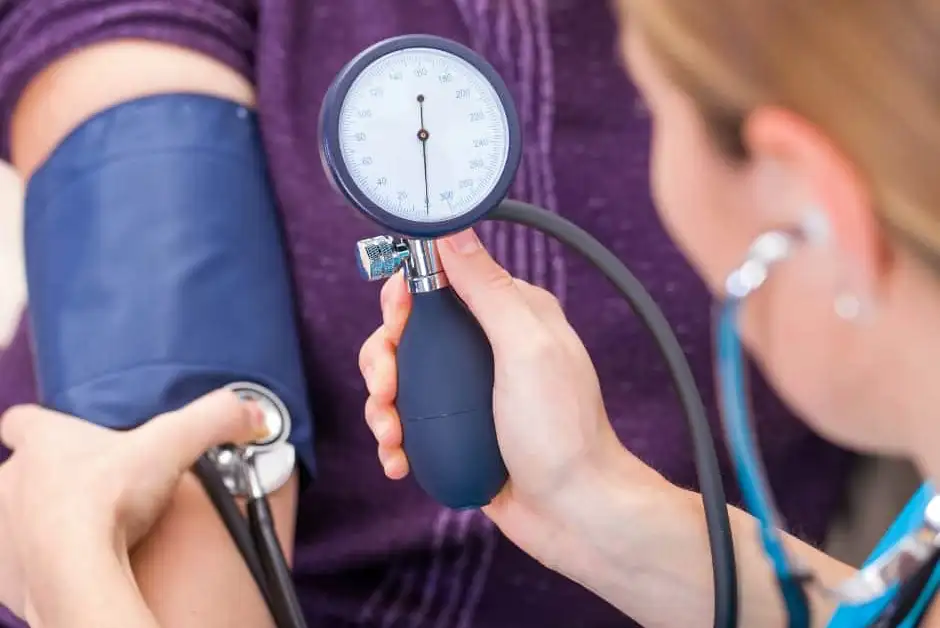
Resistant hypertension and a lack of normal nighttime blood pressure “dipping” are hallmark signs that sleep apnea may be a driving factor.
Metabolic Markers
Insulin resistance, cortisol dysregulation, and inflammatory markers that are often worsened or driven by chronic sleep disruption.
Connection to Existing Cardiac Conditions
Whether sleep apnea is contributing to atrial fibrillation recurrence, heart failure progression, coronary disease advancement, or poor recovery after cardiac events.
Sleep apnea doesn’t always look the way people expect
- You don’t have to be overweight, and you don’t have to snore loudly. Many patients with significant sleep apnea snore mildly or not at all.
- Women in particular are significantly underdiagnosed — their symptoms often present as insomnia, fatigue, anxiety, or mood disturbance rather than classic snoring and witnessed apneas.
- Central sleep apnea — more common in heart failure — can present without snoring at all, which is why we evaluate it as part of the total cardiovascular picture.
Beyond the diagnosis — what comes next
Getting a diagnosis is only the beginning. What matters is what we do with it — integrating sleep apnea treatment into your broader cardiovascular and metabolic care plan. For many patients, CPAP therapy remains the gold standard for moderate to severe obstructive sleep apnea, and when used consistently the cardiovascular benefits can be significant: blood pressure often comes down, AFib episodes may decrease, and energy and cognitive function improve.
But CPAP isn’t the right fit for everyone, and compliance can be a real challenge. That’s why we take a comprehensive approach that may include:
- Oral appliance therapy and positional strategies for appropriate candidates.
- Weight management through our Fit in Your GENES® program.
- Airway evaluation and targeted lifestyle modifications, coordinated with your overall heart-health plan.
- Root-cause work — excess visceral fat, chronic inflammation, hormonal imbalances, and autonomic dysregulation that make sleep apnea worse.
When we improve metabolic flexibility and reduce inflammatory burden, many patients experience meaningful improvement in their sleep apnea severity — sometimes enough to reduce or eliminate the need for mechanical intervention.
If your cardiovascular picture points to sleep.
We recommend screening for any patient whose cardiovascular picture suggests sleep-disordered breathing could be playing a role — and we make the process simple, starting in your own bed.
Signs that point to sleep.
- Resistant high blood pressure — elevated despite multiple medications.
- Atrial fibrillation or recurrent arrhythmias — especially worse at night or on waking.
- Heart failure or cardiomyopathy — where central sleep apnea is common and often unrecognized.
- Excessive daytime fatigue, morning headaches, or cognitive fog that doesn’t improve with rest.
- Witnessed breathing pauses, loud snoring, or gasping during sleep.
- Metabolic syndrome, insulin resistance, stroke/TIA history, nocturnal chest pain, palpitations, or nocturia.
Screening that starts at home.
- Cardiovascular consultation — we assess your symptoms, history, risk factors, and current cardiac status.
- Home sleep test — a portable device you wear overnight in your own bed, measuring breathing patterns, oxygen levels, and heart rate.
- In-lab polysomnography when warranted — for suspected central sleep apnea, significant heart failure, or neurological conditions (adds brain-wave and detailed respiratory analysis).
- Detailed review — what the findings mean for your heart specifically, built into your Fit in Your GENES® plan.
Safety & clinical standards.
Our approach is grounded in evidence-based medicine and current clinical guidelines. We use validated screening questionnaires, FDA-cleared home sleep testing devices, and board-certified sleep medicine specialists when indicated. All recommendations are individualized to your clinical profile, and we coordinate with your existing care team for continuity and safety.
As an integrative cardiology practice, we integrate sleep health into your total cardiovascular care plan rather than treating it in isolation — so any sleep apnea intervention is considered alongside your cardiac medications, metabolic therapies, nutrition, and lifestyle for maximum benefit and minimal risk.
Sleep & your heart, answered.
01 Can sleep apnea really cause heart problems, or does it just make existing conditions worse? +
02 I don’t snore — could I still have sleep apnea? +
03 What’s the difference between a home sleep test and an in-lab sleep study? +
04 If I’m diagnosed with sleep apnea, do I have to use a CPAP machine? +
05 How does sleep apnea screening fit into the Fit in Your GENES® program? +
06 Can losing weight cure sleep apnea? +
Look at what’s happening while you sleep.
If you’ve been managing your heart health but something still doesn’t feel right — if your blood pressure won’t cooperate, your energy is depleted, or your heart rhythm keeps acting up — it may be time to look at your sleep. Schedule a free Heart Health Strategy Session to discuss your symptoms and find out whether sleep apnea screening should be part of your cardiovascular evaluation. A private, no-pressure conversation to help you understand what’s really going on.
Free, private strategy session. · Call or text 877-511-5166
Speak with a Human →Learn More
Guides
Articles
-

Can You Reverse Hypertension?
Hypertension Yes, hypertension may potentially be reversed when you identify and address what is actually driving it. This is fundamentally…
-

What Foods Help Lower Hypertension?
Hypertension The foods that help lower blood pressure are those that address the root causes driving the elevation in the…
-

What Is The Difference Between High Blood Pressure And Hypertension?
Hypertension In medical terminology, high blood pressure and hypertension refer to the same condition: blood pressure that is persistently elevated…