Getting to the root of coronary artery disease.
Coronary artery disease is the most common form of heart disease and the leading cause of death worldwide — and it develops silently, often for decades before the first symptom. We specialize in detecting it at its earliest stages, identifying what’s actually driving plaque formation, and building a precision plan to stabilize, slow, and in many cases reverse it.
Coronary artery disease does not announce itself. For many people, the first sign is a heart attack. The disease had been building silently for years — narrowing the arteries, destabilizing plaque, and setting the stage for an event that could have been prevented with earlier detection and the right intervention.
This is the central challenge of CAD: it progresses quietly, and conventional screening often does not catch it until significant damage has already occurred. A normal stress test does not rule out CAD. Normal cholesterol does not mean your arteries are clean. The only way to truly understand your risk is precision testing that looks at what is actually happening inside your blood vessels, your metabolism, and your inflammatory environment.
What is coronary artery disease?
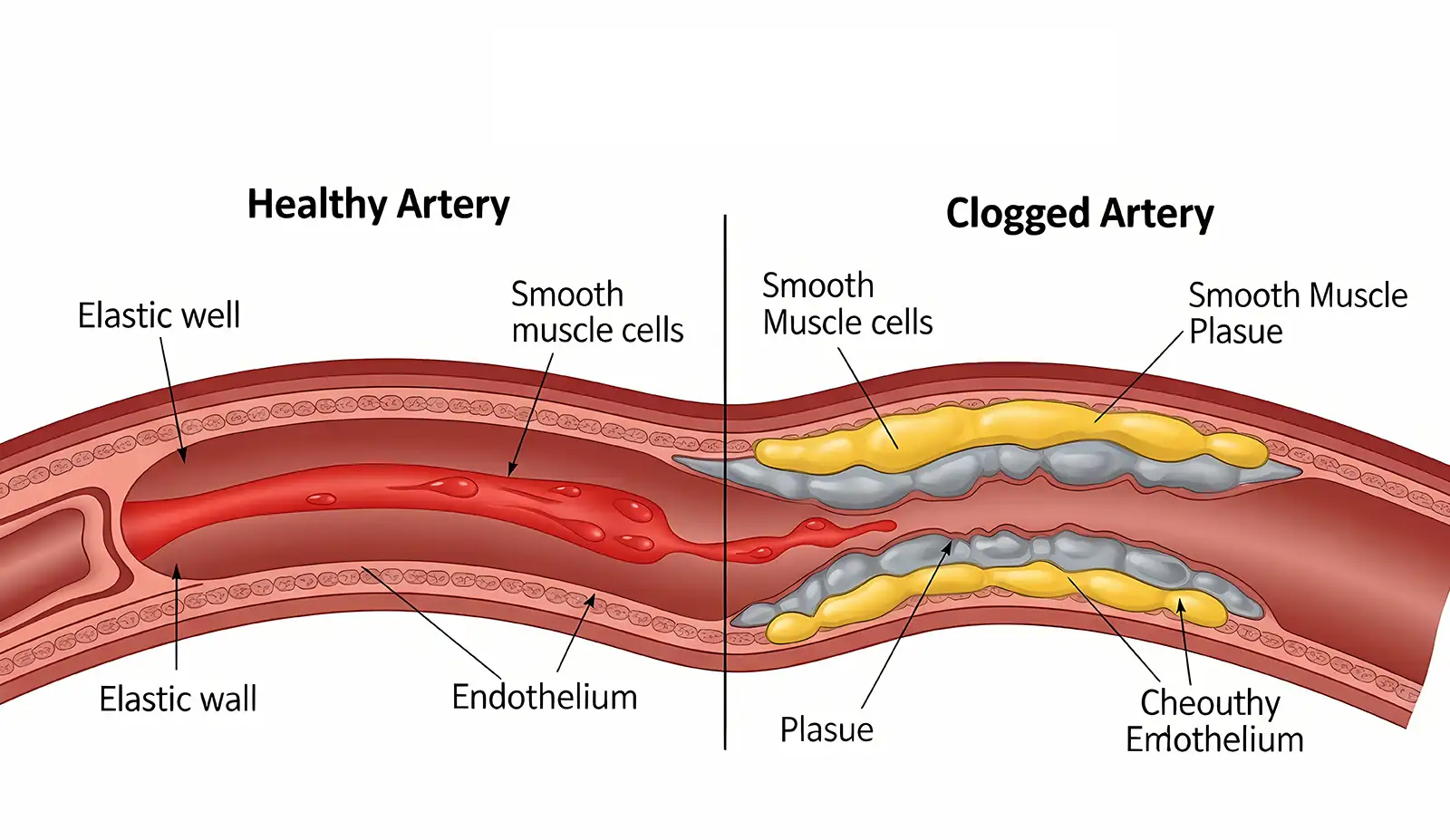
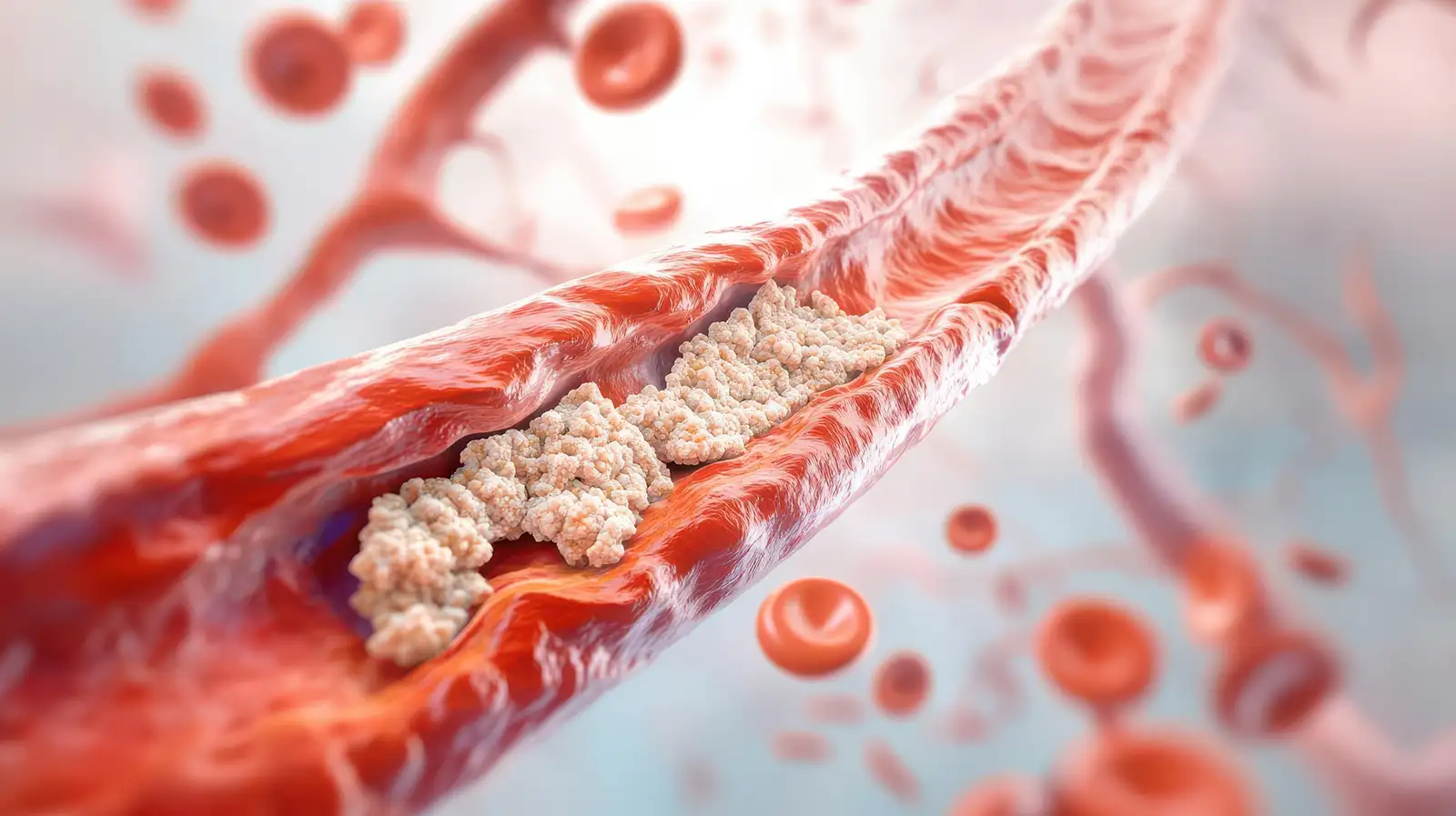
Coronary artery disease develops when atherosclerotic plaque accumulates inside the coronary arteries — the blood vessels that deliver oxygen-rich blood to your heart muscle. This process, called atherosclerosis, typically begins with damage to the inner lining of the artery (the endothelium). Once injured, cholesterol particles — particularly small, dense LDL and Lp(a) — penetrate the arterial wall, become oxidized, and trigger an inflammatory response. Over time, this forms plaque: cholesterol, inflammatory cells, calcium, and fibrous tissue.
As plaque grows, it can restrict blood flow, causing chest pain or shortness of breath during exertion. But the greater danger often comes from smaller, unstable plaques that rupture suddenly. When a plaque ruptures, it triggers a blood clot that can completely block the artery within minutes, causing a heart attack. This is why many heart attacks occur in people who had no warning signs and whose arteries were not severely narrowed. The issue was not the size of the blockage. It was the instability of the plaque.
The stages of coronary artery disease
- Endothelial dysfunction: the earliest stage, in which the protective inner lining of the artery becomes damaged and loses its ability to regulate blood flow, inflammation, and clotting. No visible plaque yet — but atherosclerosis has begun. Detectable through specialized testing, and reversible with the right interventions.
- Early plaque formation: cholesterol particles accumulate within the arterial wall, and inflammatory cells form fatty streaks. These deposits don’t obstruct blood flow and are invisible on standard stress tests — but coronary artery calcium scoring (CAC) and carotid intima-media thickness (CIMT) testing can detect them.
- Progressive plaque buildup: over years or decades, plaque continues to grow. Some becomes calcified and stable; some remains soft, lipid-rich, and vulnerable to rupture. The composition and stability of the plaque matters far more than the degree of narrowing.
- Significant stenosis or plaque rupture: when plaque narrows the artery enough to limit blood flow, angina may develop. When unstable plaque ruptures, it can trigger a heart attack or sudden cardiac death. Intervention may require stenting or bypass — though aggressive medical and lifestyle management remains essential.
Symptoms of coronary artery disease
CAD is often completely silent until a significant event occurs. When symptoms do develop, they may include:
- Chest pain, pressure, tightness, or heaviness (angina), especially with exertion or stress
- Shortness of breath during activities that previously felt easy
- Pain or discomfort in the jaw, neck, shoulders, arms, or upper back
- Unusual fatigue, nausea, lightheadedness, or a cold sweat during exertion
Cholesterol is only part of the picture.
Conventional cardiology identifies the well-known risk factors — high cholesterol, blood pressure, smoking, diabetes, family history, sedentary lifestyle. All important. But they don’t explain why so many people with “normal” risk factors still develop CAD. The answer lies in the deeper biological drivers that standard screening misses.
Chronic Inflammation & Immune Activation
Atherosclerosis is fundamentally an inflammatory disease. Chronic, low-grade inflammation damages the endothelium, promotes LDL oxidation, recruits plaque-destabilizing immune cells, and impairs vascular repair. Sources include visceral fat, insulin resistance, poor diet, chronic infections, periodontal disease, gut dysbiosis, toxins, poor sleep, and unrelenting stress.
Insulin Resistance & Metabolic Syndrome
One of the strongest predictors of CAD, yet frequently underdiagnosed. Insulin resistance raises triglycerides, shrinks LDL particles to their most dangerous form, degrades HDL function, fuels visceral fat and inflammation, and drives the liver to produce more atherogenic particles.
Advanced Lipid Abnormalities
Standard cholesterol testing gives only a partial view. Advanced analysis reveals LDL particle number and size (small, dense particles carry the highest risk), Lp(a) — a genetically determined driver of plaque and clotting — HDL functionality, and markers of cholesterol oxidation that signal active arterial damage.
Hormonal Imbalances
Estrogen decline at menopause removes a key protection for endothelial function. Testosterone decline in men drives visceral fat and arterial stiffness. Chronic cortisol accelerates every major driver of atherosclerosis. Thyroid disorders shift cholesterol metabolism and vascular tone.
Oxidative Stress & Toxin Burden
Reactive oxygen species damage the endothelium and oxidize LDL, making it far more atherogenic. Heavy metals (lead, mercury, cadmium), pollutants, and certain medications increase the burden — while deficiencies in CoQ10, glutathione, and vitamins C and E reduce the body’s defenses.
Genetics & Family History
Family history of premature CAD is one of the strongest risk factors. Genetic variants affect cholesterol metabolism (including familial hypercholesterolemia), Lp(a) levels, inflammatory and clotting pathways, and how the body processes nutrients and toxins. Genetics is not destiny — but it shapes a more precise plan.
Why standard screening falls short
Many patients are reassured by a normal stress test or a standard cholesterol panel, believing it means their coronary arteries are healthy. Unfortunately, that’s not always the case. A standard treadmill stress test typically detects blockages only when they narrow the artery by 70 percent or more — so a patient could have 50–60 percent narrowing, or multiple smaller unstable plaques, and still pass. Standard cholesterol panels miss particle size, particle count, Lp(a), and vascular inflammation entirely.
This is why we use a more comprehensive approach to detection — one that can identify coronary artery disease years, even decades, before it becomes symptomatic or life-threatening.
The weight of a CAD diagnosis
Learning that you have coronary artery disease can be frightening. Whether the diagnosis comes after a cardiac event, an imaging study, or an incidental finding, the emotional impact is real. Fear of a heart attack, uncertainty about the future, and frustration over how it developed despite your best efforts are all common.
But a CAD diagnosis is not a death sentence. It is information. With the right information and the right strategy, coronary artery disease can be managed, stabilized, and in many cases partially reversed. The patients who do best are those who move from fear to understanding — who learn what’s driving their disease and take an active role in their treatment alongside a team that looks at the full picture.
More than a statin and a stent.
We treat coronary artery disease as the complex, multifactorial condition it is — combining the best of conventional cardiology with integrative and functional medicine to address the disease at its root while providing the full spectrum of cardiac care.
We go far beyond standard cardiac testing.
- Advanced lipid particle analysis: LDL particle number and size, Lp(a), and oxidized LDL for your true atherogenic risk.
- Inflammatory & immune markers: hsCRP, MPO, and Lp-PLA2 to detect active plaque progression.
- Metabolic assessment: fasting insulin, glucose, HbA1c, and markers of metabolic syndrome.
- Hormonal panels: cortisol, thyroid, and reproductive hormones when clinically indicated.
- Vascular imaging: coronary calcium scoring (CAC) and, when appropriate, CT angiography to visualize plaque directly.
- Vascular age & function: CIMT and pulse wave velocity.
- Genetic testing: inherited risk factors that shape your unique disease pattern.
A plan built around your root causes.
- Evidence-based pharmacotherapy when indicated — lipid-lowering, antiplatelet, blood pressure, and metabolic agents selected from advanced biomarker data.
- Targeted nutrition to reduce inflammation, improve metabolic health, and support endothelial repair.
- Metabolic optimization — reducing visceral fat and reversing insulin resistance.
- Stress & nervous-system regulation, since chronic sympathetic activation promotes plaque instability.
- Sleep optimization, screening for and treating sleep apnea.
- Targeted supplementation based on testing — omega-3s, CoQ10, magnesium, vitamin D.
- Hormonal balancing to address metabolic dysfunction and vascular aging.
Can coronary artery disease be reversed?
The evidence increasingly supports that CAD can be slowed, stabilized, and in some cases partially reversed when the right combination of interventions is applied. Plaque stabilization means converting vulnerable, rupture-prone plaque into more stable, calcified plaque that is far less likely to cause a heart attack. Plaque regression — actual reduction in plaque volume — has been documented with intensive lipid lowering, anti-inflammatory therapy, and metabolic optimization.
A passive approach — relying solely on medications and hoping for the best — leaves the majority of cardiovascular risk unaddressed. The patients who achieve the most significant improvements are those who engage a comprehensive, root-cause strategy that targets inflammation, metabolism, hormones, lifestyle, and vascular biology simultaneously.
Coronary artery disease, answered.
01 I passed a stress test. Does that mean I don’t have coronary artery disease? +
02 My cholesterol is normal. Can I still have coronary artery disease? +
03 What is the difference between stable and unstable plaque? +
04 I already had a stent or bypass surgery. Do I still need a comprehensive evaluation? +
05 How does your approach differ from standard cardiology care for CAD? +
06 Is coronary artery disease different in women? +
Know the true state of your coronary health.
Whether you’ve been diagnosed with coronary artery disease, have risk factors that concern you, or simply want to know what’s really happening in your arteries, we’re here to help. Our comprehensive evaluation goes beyond standard screening to give you a complete picture of your risk and a personalized strategy to protect your heart.
Schedule a free discovery call to learn how precision cardiology can help. · Call or text 877-511-5166
Speak with a Human →
EVIDENCE
Sources & Citations
+
Burden, Mortality & Sudden Cardiac Death
- GBD 2023 Causes of Death Collaborators. Global Burden of 292 Causes of Death in 204 Countries and Territories, 1990–2023. Lancet. 2025;406(10513):1811–1872.
- Roth GA, Johnson C, Abajobir A, et al. Global, Regional, and National Burden of Cardiovascular Diseases for 10 Causes, 1990 to 2015. J Am Coll Cardiol. 2017;70(1):1–25.
- Safiri S, Karamzad N, Singh K, et al. Burden of Ischemic Heart Disease and Its Attributable Risk Factors in 204 Countries and Territories, 1990–2019. Eur J Prev Cardiol. 2022;29(2):420–431.
- Vähätalo J, Holmström L, Pakanen L, et al. Coronary Artery Disease as the Cause of Sudden Cardiac Death Among Victims <50 Years of Age. Am J Cardiol. 2021;147:33–38.
- Holmström L, Juntunen S, Vähätalo J, et al. Plaque Histology and Myocardial Disease in Sudden Coronary Death: The Fingesture Study. Eur Heart J. 2022;43(47):4923–4930.
- European Heart Rhythm Association, Heart Rhythm Society, Zipes DP, et al. ACC/AHA/ESC 2006 Guidelines for Management of Patients With Ventricular Arrhythmias and the Prevention of Sudden Cardiac Death. J Am Coll Cardiol. 2006;48(5):e247–346.
Plaque Biology, Stabilization & Regression
- Vergallo R, Crea F. Atherosclerotic Plaque Healing. N Engl J Med. 2020;383(9):846–857.
- Libby P. Mechanisms of Acute Coronary Syndromes and Their Implications for Therapy. N Engl J Med. 2013;368(21):2004–13.
- Libby P. Inflammation During the Life Cycle of the Atherosclerotic Plaque. Cardiovasc Res. 2021;117(13):2525–2536.
- Dawson LP, Lum M, Nerleker N, Nicholls SJ, Layland J. Coronary Atherosclerotic Plaque Regression: JACC State-of-the-Art Review. J Am Coll Cardiol. 2022;79(1):66–82.
- Parsons C, Agasthi P, Mookadam F, Arsanjani R. Reversal of Coronary Atherosclerosis: Role of Life Style and Medical Management. Trends Cardiovasc Med. 2018;28(8):524–531.
- Iatan I, Guan M, Humphries KH, Yeoh E, Mancini GBJ. Atherosclerotic Coronary Plaque Regression and Risk of Adverse Cardiovascular Events: A Systematic Review and Updated Meta-Regression Analysis. JAMA Cardiol. 2023;8(10):937–945.
Diagnosis, Angina & Exercise Testing
- Fletcher GF, Ades PA, Kligfield P, et al. Exercise Standards for Testing and Training: A Scientific Statement From the American Heart Association. Circulation. 2013;128(8):873–934.
- Joshi PH, de Lemos JA. Diagnosis and Management of Stable Angina: A Review. JAMA. 2021;325(17):1765–1778.
Lipids, Inflammation & Metabolic Drivers
- Durrington P. Dyslipidaemia. Lancet. 2003;362(9385):717–31.
- Mechanick JI, Farkouh ME, Newman JD, Garvey WT. Cardiometabolic-Based Chronic Disease, Adiposity and Dysglycemia Drivers: JACC State-of-the-Art Review. J Am Coll Cardiol. 2020;75(5):525–538.
- Attiq A, Afzal S, Ahmad W, Kandeel M. Hegemony of Inflammation in Atherosclerosis and Coronary Artery Disease. Eur J Pharmacol. 2024;966:176338.
- Zhao TX, Mallat Z. Targeting the Immune System in Atherosclerosis: JACC State-of-the-Art Review. J Am Coll Cardiol. 2019;73(13):1691–1706.
- Reaven G. Insulin Resistance and Coronary Heart Disease in Nondiabetic Individuals. Arterioscler Thromb Vasc Biol. 2012;32(8):1754–9.
- Ormazabal V, Nair S, Elfeky O, et al. Association Between Insulin Resistance and the Development of Cardiovascular Disease. Cardiovasc Diabetol. 2018;17(1):122.
- Beckman JA, Creager MA, Libby P. Diabetes and Atherosclerosis: Epidemiology, Pathophysiology, and Management. JAMA. 2002;287(19):2570–81.
Sex Differences in Ischemic Heart Disease
- Solola Nussbaum S, Henry S, Yong CM, et al. Sex-Specific Considerations in the Presentation, Diagnosis, and Management of Ischemic Heart Disease: JACC Focus Seminar 2/7. J Am Coll Cardiol. 2022;79(14):1398–1406.
- Gaudino M, Di Franco A, Cao D, et al. Sex-Related Outcomes of Medical, Percutaneous, and Surgical Interventions for Coronary Artery Disease: JACC Focus Seminar 3/7. J Am Coll Cardiol. 2022;79(14):1407–1425.
- Mauvais-Jarvis F, Bairey Merz N, Barnes PJ, et al. Sex and Gender: Modifiers of Health, Disease, and Medicine. Lancet. 2020;396(10250):565–582.
- Bartz D, Chitnis T, Kaiser UB, et al. Clinical Advances in Sex- and Gender-Informed Medicine to Improve the Health of All: A Review. JAMA Intern Med. 2020;180(4):574–583.
Learn More
Guides
Articles
-

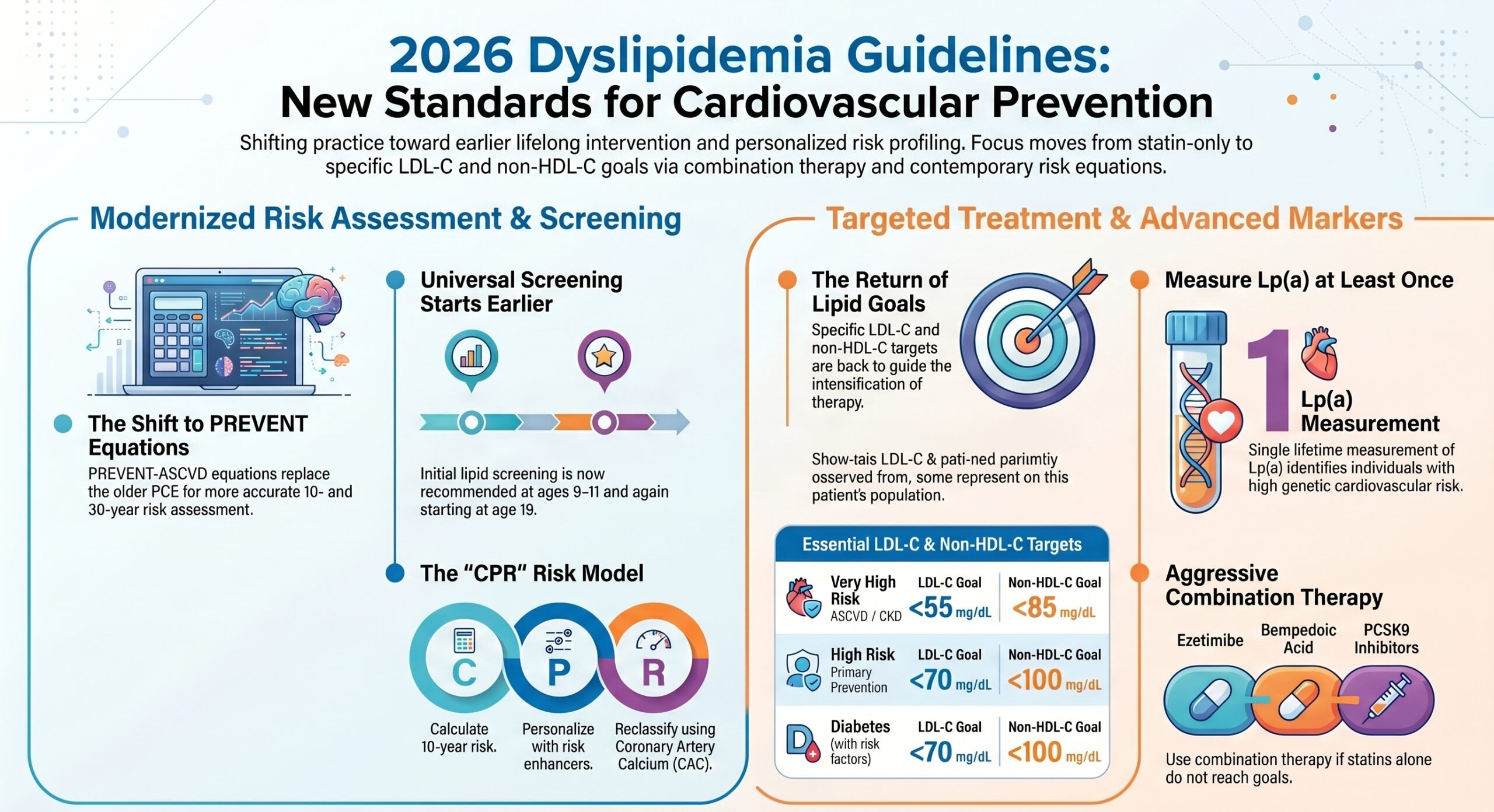
New Cholesterol Guidelines 2026: LDL Targets, Lp(a), and What Changed
Coronary Artery DiseaseHigh Cholesterol & Lp(a) The 2026 ACC/AHA Dyslipidemia Guideline introduces five major changes: a new risk calculator (PREVENT…
-

What Is The Best Way To “Unclog” Your Arteries?
Coronary Artery Disease The idea of “unclogging” arteries is appealing but oversimplified. Arteries are not pipes, and plaque is not…
-

Can You Live A Long Life With Calcified Arteries?
Coronary Artery Disease Yes, many people live long, active lives with calcified arteries, but the outcome depends entirely on what…