What Is The Best Way To “Unclog” Your Arteries?
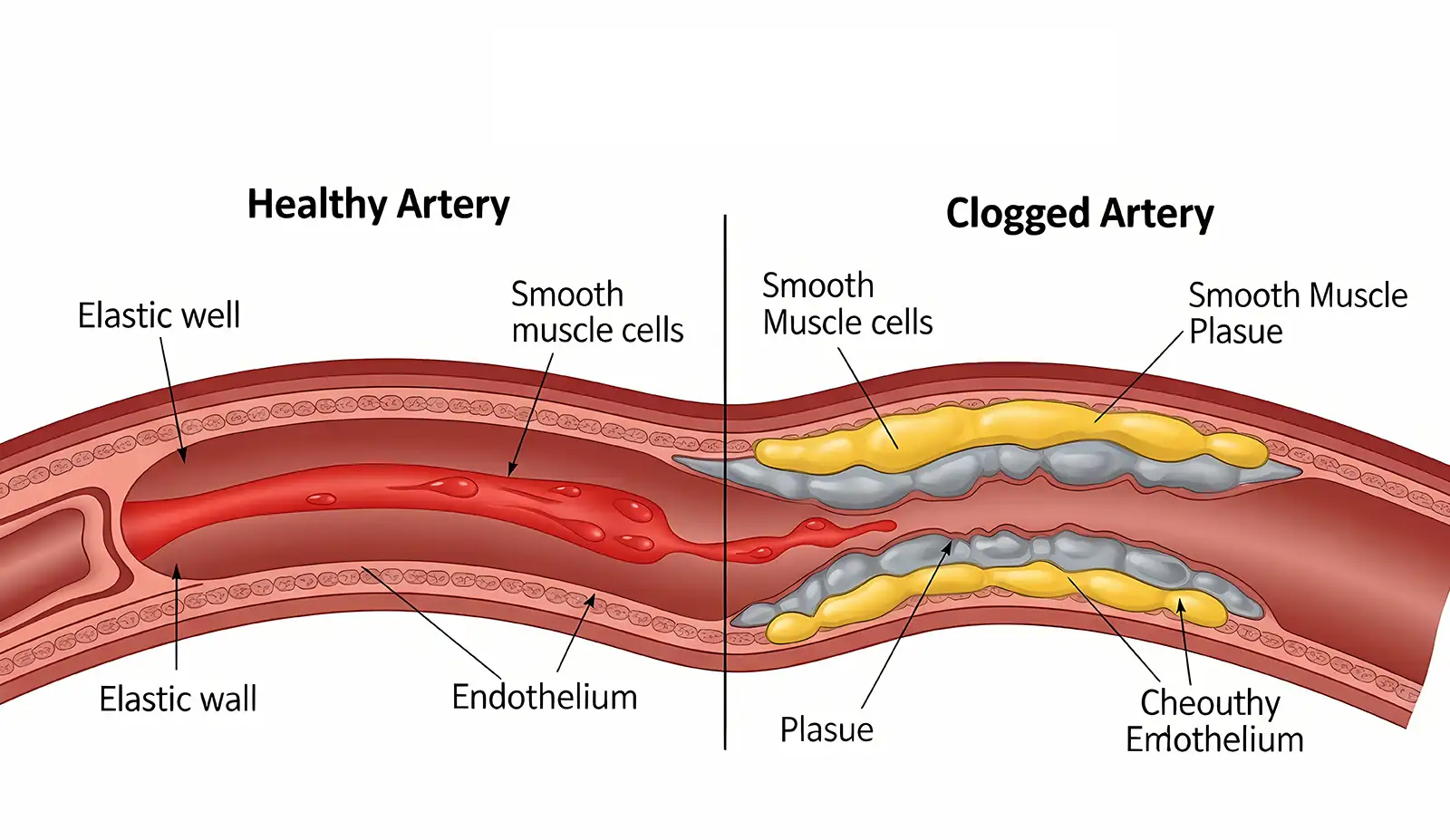
The idea of “unclogging” arteries is appealing but oversimplified. Arteries are not pipes, and plaque is not a blockage you can scrub away with the right supplement or diet. However, the body does have a remarkable capacity to stabilize, shrink, and in some cases partially reverse arterial plaque when you address the root causes that created it. This is not a quick fix. It is a biological process that occurs when you remove the inflammatory, metabolic, and hormonal dysfunction that drove plaque development in the first place and give the body the conditions it needs to heal. The most effective approach combines aggressive inflammation reduction, metabolic restoration, targeted nutritional support, and aggressive medical therapy to create an environment where the body can repair arterial damage over time.
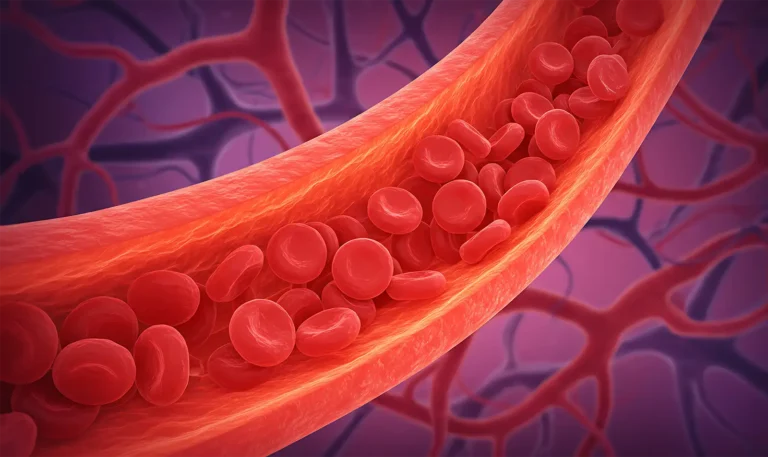
Arteries Are Not Pipes: The plumbing analogy is misleading. Atherosclerosis is a disease of the artery wall driven by inflammation, not simply a buildup of material blocking flow. This distinction matters because it changes everything about how you approach treatment.
Plaque Can Be Stabilized And Partially Reversed: Research confirms that atherosclerotic plaque can shrink, become more stable, and in some cases partially regress when root causes are addressed. Complete elimination of plaque is unlikely, but meaningful improvement in both plaque volume and stability is achievable.
Stabilization Is More Important Than Size Reduction: A stable plaque that does not rupture is far safer than a smaller but inflamed plaque that could rupture and cause a heart attack. The priority is making plaque stable, not simply making it smaller.
The Process Requires Addressing Root Causes: No single supplement, food, or medication will reverse arterial plaque. Reversal requires a comprehensive approach that addresses the inflammation, metabolic dysfunction, and other factors that created the plaque in the first place.
Understanding How Plaque Actually Develops And Regresses
Atherosclerosis begins with damage to the endothelium, the thin inner lining of your arteries. This damage can be caused by chronic inflammation, high blood sugar, oxidative stress, high blood pressure, toxins, or immune activation. When the endothelium is damaged, it becomes permeable, allowing LDL particles and other lipoproteins to enter the artery wall.
Once inside the artery wall, these lipoproteins become oxidized and trigger an immune response. White blood cells rush in to clean up the oxidized particles, becoming foam cells in the process. Over time, these foam cells accumulate, creating a fatty streak that grows into a plaque. The body attempts to contain the damage by forming a fibrous cap over the plaque and eventually depositing calcium to stabilize it.
This process reveals something critical: atherosclerosis is fundamentally an inflammatory disease. The cholesterol in plaque is there because inflammation allowed it to enter and inflammation prevented it from being cleared. This is why approaches that only lower cholesterol without addressing inflammation produce incomplete results, and why approaches that address the inflammatory root cause can produce genuine improvement.
Plaque regression occurs through the reverse of this process. When inflammation is reduced and endothelial function is restored, the artery wall becomes less permeable to lipoproteins. The immune system can begin to remove accumulated lipid material from existing plaques, shrinking them. The fibrous cap can thicken, making plaques more stable. This is a gradual biological process that takes months to years, not days or weeks.
What Actually Works To Improve Arterial Health
Aggressively Reduce Inflammation
Because atherosclerosis is fundamentally inflammatory, reducing chronic inflammation is the most important step. This means identifying and addressing the sources of inflammation in your body: gut dysbiosis, hidden infections, food sensitivities, insulin resistance, environmental toxins, chronic stress, and poor sleep. Testing inflammatory markers like hs-CRP, Lp-PLA2, myeloperoxidase, and oxidized LDL helps identify the extent of inflammation and track response to intervention.
Restore Metabolic Health
Insulin resistance and metabolic dysfunction are primary drivers of atherosclerosis. Restoring metabolic health through nutrition that stabilizes blood sugar, movement that improves insulin sensitivity, sleep optimization, and stress management creates the metabolic environment necessary for arterial healing.
Optimize Lipid Balance
Lipid management for arterial health goes far beyond total cholesterol. What matters is LDL particle number and size, HDL function, triglyceride levels, and the ratio of these markers to each other. Advanced lipid testing reveals these details and guides targeted intervention through diet, lifestyle, and when necessary, appropriate medication.
Support Endothelial Function
The endothelium is where atherosclerosis begins and where healing starts. A healthy endothelium produces nitric oxide, which relaxes blood vessels, prevents clotting, reduces inflammation, and creates a barrier against lipoprotein infiltration. Regular aerobic exercise, nitrate-rich vegetables, adequate sleep, stress management, and specific nutrients including vitamin C, vitamin D, magnesium, and polyphenols all support endothelial repair.
Address Hormonal Imbalances
Hormones play a significant role in arterial health that is often underappreciated. Estrogen supports endothelial function, testosterone supports metabolic health in men, chronic cortisol elevation directly damages arteries, and thyroid dysfunction affects lipid metabolism. Assessing and appropriately addressing hormonal imbalances can remove significant drivers of arterial disease.
Reduce Oxidative Stress And Support Detoxification
Oxidative stress is what transforms normal LDL into the oxidized LDL that triggers the atherosclerotic process. Supporting the body’s antioxidant systems through nutrient-dense foods, targeted supplementation, and reducing toxic exposures protects lipoproteins from oxidation and supports arterial repair.
Improve Body Composition
Visceral fat produces inflammatory signals, disrupts hormone balance, and promotes insulin resistance. Reducing visceral fat while preserving or building muscle mass addresses multiple drivers of atherosclerosis simultaneously through strategic body recomposition rather than crash dieting.
What Does Not Work
No Single Food Or Supplement Unclogs Arteries: Garlic, lemon juice, apple cider vinegar, turmeric, and similar recommendations may have modest health benefits, but none of them will reverse atherosclerosis on their own.
Chelation Therapy Lacks Strong Evidence: The TACT trial showed a modest benefit in diabetic patients, but this was likely due to heavy metal removal rather than direct plaque effects.
Extreme Diets Rarely Produce Lasting Results: Ultra-restrictive diets may produce short-term improvements but often sacrifice muscle mass, increase stress hormones, and are unsustainable.
Lowering Cholesterol Alone Is Insufficient: If the inflammation that caused the plaque remains, simply lowering cholesterol provides incomplete protection. Significant residual cardiovascular risk remains even in patients with well-controlled cholesterol.
What You Should Consider
Get A Complete Assessment: Before pursuing any strategy for arterial health, understand your starting point. This means advanced lipid testing, inflammatory markers, metabolic assessment, and vascular imaging to determine the extent of disease and identify which root causes are driving it in your case.
Focus On Stabilization First: Making existing plaque stable and safe is more urgent than shrinking it. Plaque stabilization through inflammation reduction can happen relatively quickly and significantly reduces the risk of cardiac events while longer-term regression occurs.
Be Patient And Consistent: Atherosclerosis developed over years or decades. Meaningful regression takes months to years of consistent effort. Track progress through periodic testing and imaging rather than expecting dramatic short-term results.
Beware Of Oversimplified Solutions: Any product or protocol that claims to unclog arteries quickly is not being honest about the biology involved. Genuine arterial improvement requires a comprehensive, sustained, individualized approach.
Work With Practitioners Who Understand The Full Picture: Effective management of arterial disease requires understanding inflammation, metabolic health, hormonal balance, vascular function, and advanced lipid management. Seek practitioners who can assess and address all of these factors.
When To Seek Care Urgently
Arterial improvement is a long-term process, but acute events require immediate action. Seek emergency care for chest pain or pressure, pain radiating to the arm, jaw, or back, sudden shortness of breath, sudden weakness or numbness, difficulty speaking, severe headache, or fainting. If you have known arterial disease and experience new or worsening symptoms including decreased exercise tolerance, new chest discomfort, or unexplained fatigue, seek urgent evaluation. Do not delay emergency care to pursue natural approaches.
Talk it through with our team
If you are concerned about arterial health and want to understand whether plaque regression is possible in your situation, a comprehensive cardiovascular evaluation can assess your current disease burden, identify the specific root causes driving your atherosclerosis, and develop a personalized strategy for stabilization and improvement.
Book a discovery call →References
- Dawson LP, Lum M, Nerleker N, Nicholls SJ, Layland J. Coronary Atherosclerotic Plaque Regression: JACC State-of-the-Art Review. Journal of the American College of Cardiology. 2022;79(1):66-82.
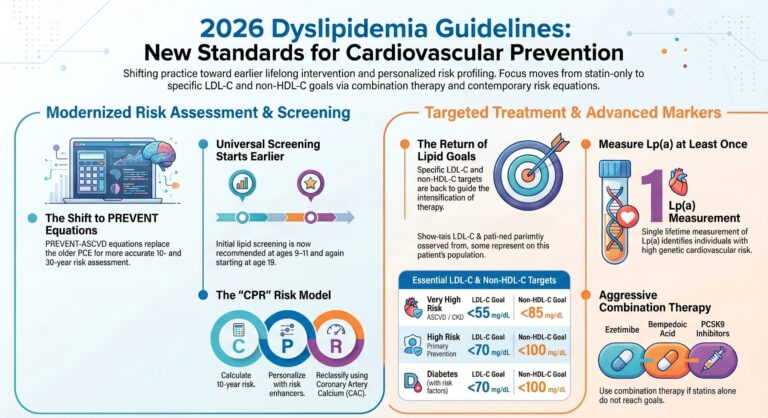
- Blumenthal RS, Morris PB, Gaudino M, et al. 2026 ACC/AHA Guideline on the Management of Dyslipidemia. Journal of the American College of Cardiology. 2026.
- Lamas GA, Anstrom KJ, Navas-Acien A, et al. Edetate Disodium-Based Chelation for Patients With a Previous Myocardial Infarction and Diabetes: TACT2 Randomized Clinical Trial. JAMA. 2024;332(10):794-803.
- Samuel M, Berry C, Dubé MP, et al. Long-Term Trials of Colchicine for Secondary Prevention of Vascular Events: A Meta-Analysis. European Heart Journal. 2025;46(26):2552-2563.
- Vergallo R, Crea F. Atherosclerotic Plaque Healing. New England Journal of Medicine. 2020;383(9):846-857.
More Heart Health Questions, Answered
This article is part of the HHC Clinical FAQ Series — in-depth answers to the most common heart health questions, written and reviewed by Dr. Regina Druz, MD FACC.
Similar Posts
- Arrhythmias | Coronary Artery Disease | Heart Attack Prevention | Heart Disease | High Cholesterol & Lp(a)
How Genetics Affects Cardiovascular Health: What Your Family History Really Means
ArrhythmiasCoronary Artery DiseaseHeart Attack PreventionHeart DiseaseHigh Cholesterol & Lp(a) Genetics affects cardiovascular health in ways that range from absolute (some conditions are determined almost entirely by a single gene variant) to probabilistic (most common heart disease reflects the interaction of dozens of genetic variants with lifestyle and environment). As an integrative cardiologist, Dr. Regina Druz,…
Omega-3 Fatty Acids and Heart Health: Evidence, Dosing, and the REDUCE-IT Trial Explained
Coronary Artery DiseaseHeart Attack PreventionHeart DiseaseHigh Cholesterol & Lp(a) Omega-3 fatty acids for heart health represent the most extensively studied cardiovascular supplement category — with a body of evidence spanning decades, multiple large randomized outcomes trials, and a prescription-only formulation approved by the FDA for cardiovascular risk reduction. EPA and DHA are not interchangeable wellness…
Glycocalyx: Hype or Hope? An Integrative Cardiologist Evaluates the Evidence
Coronary Artery DiseaseHeart Attack PreventionHeart DiseaseVascular Aging The glycocalyx — a gel-like layer of proteoglycans and glycoproteins coating the inner surface of every blood vessel — has attracted significant attention in cardiovascular medicine in recent years, particularly around the supplement Arterosil HP, which claims to support glycocalyx integrity. As an integrative cardiologist, Dr. Regina Druz,…
What Foods Help To Lower Cholesterol?
Coronary Artery DiseaseHeart Attack PreventionHeart DiseaseHigh Cholesterol & Lp(a) Problems With High Cholesterol Clogged arteries Blood flow restriction Chest pain Increased risk of heart attacks and strokes Foods To Focus On Legumes Avocados Almonds Walnuts Whole Grains Berries Eggplants Carrots Foods To Avoid Fried foods Fast food Processed meats Sugary snacks Holistic Heart Centers This…
New Cholesterol Guidelines 2026: LDL Targets, Lp(a), and What Changed
Coronary Artery DiseaseHigh Cholesterol & Lp(a) The 2026 ACC/AHA Dyslipidemia Guideline introduces five major changes: a new risk calculator (PREVENT replaces Pooled Cohort Equations), explicit LDL targets reinstated (below 55 mg/dL for highest-risk patients), universal Lp(a) testing for every adult, formal Class 3 (No Benefit) ratings for dietary supplements, and CAC score tiers tied directly…
Why Is Heart Disease The Leading Cause Of Death?
Heart Disease Heart disease remains the leading cause of death worldwide because it develops silently over decades, is driven by common modern lifestyle factors, and is often detected too late requiring invasive intervention. The cardiovascular system is uniquely vulnerable to the cumulative effects of inflammation, metabolic dysfunction, and arterial damage. Unlike many other diseases, heart…