What Is The Difference Between High Blood Pressure And Hypertension?
In medical terminology, high blood pressure and hypertension refer to the same condition: blood pressure that is persistently elevated above normal ranges. However, the more important distinction is between a temporary blood pressure elevation and the chronic metabolic dysfunction that keeps blood pressure elevated over time. Your blood pressure rises naturally during exercise, stress, or excitement, and this is healthy. The problem arises when blood pressure stays elevated because the underlying systems that regulate it, including metabolism, inflammation, hormones, and the nervous system, have become dysregulated. Understanding this distinction shifts the focus from chasing a number to addressing what is actually driving the elevation.
The Terms Are Medically Interchangeable: High blood pressure and hypertension are two names for the same diagnosis. Hypertension is simply the clinical term used in medical settings.
Temporary Elevations Are Not Hypertension: Blood pressure fluctuates throughout the day in response to activity, stress, food, and sleep. A single high reading does not mean you have hypertension. The diagnosis requires persistently elevated readings over time.
The Number Is A Symptom, Not The Disease: Elevated blood pressure is your body’s response to something else going on. Treating the number without addressing the underlying cause is like silencing an alarm without addressing the fire.
Different People Have Hypertension For Different Reasons: Insulin resistance, chronic inflammation, hormonal imbalances, nervous system dysregulation, and vascular dysfunction can all manifest as the same elevated number but require completely different approaches to resolve.
Understanding Blood Pressure Basics
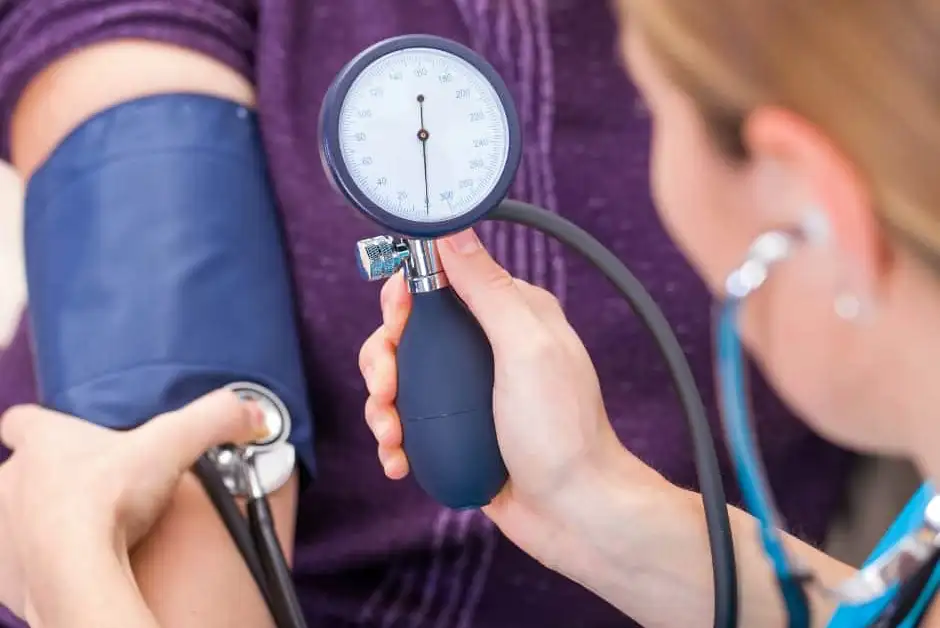
Blood pressure is measured in two numbers. The top number, systolic pressure (SBP), reflects the force when your heart contracts and pumps blood. The bottom number, diastolic pressure (DBP), reflects the pressure when your heart relaxes between beats. Normal blood pressure is generally considered below 120/80 mmHg. Elevated blood pressure falls between 120-129 systolic with diastolic below 80. Stage 1 hypertension is 130-139 systolic or 80-89 diastolic. Stage 2 hypertension is 140 or higher systolic or 90 or higher diastolic.
These categories are useful for standardized medical communication, but they tell you nothing about why blood pressure is elevated or what to do about it. Two people with identical blood pressure readings of 145/92 may have completely different underlying causes and need completely different interventions.
Why Blood Pressure Fluctuates Naturally
Blood pressure is supposed to fluctuate. It is a dynamic system that responds to the demands of the moment. When you exercise, blood pressure rises to deliver more oxygen to working muscles. When you sleep, blood pressure drops to allow recovery and repair. When you face a threat, blood pressure spikes as part of the fight-or-flight response. These fluctuations are signs of a healthy, responsive cardiovascular system.
Problems arise when the systems that regulate blood pressure lose their flexibility. Instead of rising and falling appropriately, blood pressure stays elevated even at rest, even during sleep, even when there is no demand that warrants it. This is when temporary high blood pressure becomes the chronic condition we call hypertension.
What Keeps Blood Pressure Chronically Elevated
From an integrative cardiology perspective, chronic hypertension is almost always a downstream consequence of deeper dysfunction. The body does not elevate blood pressure randomly. It does so in response to metabolic signals, inflammatory processes, hormonal imbalances, and nervous system states that are telling it to stay on high alert.
Insulin Resistance And Metabolic Dysfunction: When cells become resistant to insulin, the body produces more insulin to compensate. Elevated insulin causes the kidneys to retain sodium and fluid, activates the sympathetic nervous system, impairs nitric oxide production, and promotes inflammation. All of these mechanisms raise blood pressure. Insulin resistance is one of the most common and most overlooked drivers of hypertension.
Chronic Inflammation: Inflammation damages the endothelium, the inner lining of blood vessels that produces nitric oxide and regulates vascular tone. Inflamed vessels become stiff, less responsive, and less able to dilate when needed. Sources of chronic inflammation include poor gut health, hidden infections, food sensitivities, environmental toxins, excess visceral fat, and chronic stress.
Hormonal Imbalances: Cortisol, when chronically elevated from ongoing stress, raises blood pressure through multiple pathways. Thyroid dysfunction affects metabolic rate and vascular function. The decline of estrogen during menopause often triggers blood pressure increases because estrogen supports vascular flexibility and nitric oxide production. Testosterone decline in men contributes to increased visceral fat and insulin resistance.
Nervous System Dysregulation: The autonomic nervous system directly controls blood pressure through heart rate and vascular tone. When the sympathetic nervous system is chronically activated, whether from stress, trauma, poor sleep, or metabolic dysfunction, blood pressure stays elevated as part of the body’s survival response. Many people with hypertension have been stuck in fight-or-flight mode for so long they no longer recognize it as abnormal.
Vascular Stiffness: Over time, chronically elevated pressure and ongoing inflammation cause structural changes in blood vessel walls. Arteries become stiffer and less elastic, which further raises systolic pressure. This vascular remodeling is why long-standing hypertension can be harder to reverse than recently developed hypertension.
Why This Distinction Matters For Treatment
The 2025 ACC/AHA guidelines recommend comprehensive lifestyle modification as first-line therapy (Class I, Level A), including weight loss (−6 to −8 mmHg SBP), DASH diet (−5 to −8 mmHg), sodium reduction (−6 to −8 mmHg), exercise (−4 to −8 mmHg), meditation (−5 to −7 mmHg), and breathing control (−5 mmHg). While these lifestyle modifications can reduce blood pressure over the course of 3 to 6 months, for higher risk patients, medication is recommended. This approach can reduce cardiovascular risk, but it does nothing to address why blood pressure was elevated in the first place. The underlying metabolic dysfunction, inflammation, and hormonal imbalances continue to progress even as the blood pressure number improves.
A root-cause approach asks a different question: what is driving this elevation? The answer determines the intervention. Someone with insulin-driven hypertension needs metabolic support, not just a diuretic. Someone with stress-driven hypertension needs nervous system regulation, not just a beta blocker. Someone with inflammation-driven hypertension needs to identify and remove the inflammatory triggers, not just take another pill.
This does not mean medications are never appropriate. In acute situations or when blood pressure is dangerously elevated, medications can be necessary and lifesaving. But for the chronic, metabolic hypertension that affects most people, medications alone are an incomplete solution. They manage the symptom without resolving the cause.
What You Should Consider
Do Not Panic Over A Single Reading: Blood pressure fluctuates. A single elevated reading, especially in a stressful medical setting, does not mean you have hypertension. Monitor your blood pressure at home, at consistent times, to get an accurate picture.
Look Beyond The Number: If you have persistently elevated blood pressure, the important question is why. Standard testing often misses the metabolic, inflammatory, and hormonal factors that are actually driving the elevation.
Recognize That Your Body Is Trying To Tell You Something: Elevated blood pressure is not a random malfunction. It is a signal that something in your metabolism, inflammation status, hormonal balance, or nervous system state needs attention. Silencing the signal without addressing the message is a missed opportunity.
Understand That Resolution Is Possible: When the root causes of hypertension are identified and addressed, blood pressure may normalize without lifelong medication dependence, or using the lowest amount of medication possible. This requires a different approach than simply managing numbers, but it produces deeper and more durable results.
When To Seek Care Urgently
Seek emergency care for blood pressure readings above 180/120 mmHg, especially if accompanied by symptoms like severe headache, chest pain, shortness of breath, vision changes, difficulty speaking, numbness, or confusion. This may indicate a hypertensive crisis requiring immediate treatment. Also seek urgent care for any symptoms of heart attack or stroke regardless of blood pressure reading.
Talk it through with our team
If you have been told you have high blood pressure or hypertension and want to understand what is actually driving it, a comprehensive evaluation can identify the metabolic, inflammatory, hormonal, and nervous system factors that standard testing misses. This provides the foundation for a personalized plan that addresses root causes rather than just managing numbers.
Book a discovery call →References
- Jones DW, Ferdinand KC, Taler SJ, et al. 2025 AHA/ACC/AANP/AAPA/ABC/ACCP/ACPM/AGS/AMA/ASPC/NMA/PCNA/SGIM Guideline for the Prevention, Detection, Evaluation, and Management of High Blood Pressure in Adults. Journal of the American College of Cardiology. 2025;86(18):1567-1678. doi:10.1016/j.jacc.2025.05.007.
- Blood Pressure Lowering Treatment Trialists’ Collaboration. Pharmacological Blood Pressure Lowering for Primary and Secondary Prevention of Cardiovascular Disease Across Different Levels of Blood Pressure: An Individual Participant-Level Data Meta-Analysis. Lancet. 2021;397(10285):1625-1636. doi:10.1016/S0140-6736(21)00590-0.
- Ettehad D, Emdin CA, Kiran A, et al. Blood Pressure Lowering for Prevention of Cardiovascular Disease and Death: A Systematic Review and Meta-Analysis. Lancet. 2016;387(10022):957-967. doi:10.1016/S0140-6736(15)01225-8.
- Carey RM, Moran AE, Whelton PK. Treatment of Hypertension: A Review. JAMA. 2022;328(18):1849-1861. doi:10.1001/jama.2022.19590.
- da Silva AA, do Carmo JM, Li X, et al. Role of Hyperinsulinemia and Insulin Resistance in Hypertension: Metabolic Syndrome Revisited. Canadian Journal of Cardiology. 2020;36(5):671-682. doi:10.1016/j.cjca.2020.02.066.
More Heart Health Questions, Answered
This article is part of the HHC Clinical FAQ Series — in-depth answers to the most common heart health questions, written and reviewed by Dr. Regina Druz, MD, MBA, FACC, FMCP-M.
Similar Posts
Can Heart Disease Be Reversed?
Heart Disease Heart disease can be partially reversed in many cases, particularly when the underlying drivers are identified and addressed early. While advanced structural damage like severe calcification or scarring cannot be undone, the processes that cause heart disease to progress, including inflammation, insulin resistance, and endothelial dysfunction, can often be slowed, stopped, or improved….
How Do I Lower My Lp(a) Cholesterol?
High Cholesterol & Lp(a) Lipoprotein(a), or Lp(a), is one of the most important and most overlooked cardiovascular risk factors. Unlike standard LDL cholesterol, Lp(a) levels are primarily determined by genetics, which means diet and exercise have minimal direct effect on the number itself. However, this does not mean you are powerless. While significantly lowering Lp(a)…
- Heart Attack Prevention | Heart Disease | High Cholesterol & Lp(a) | Hypertension | Metabolic Syndrome
Metabolic Syndrome Treatment: The Integrative Approach That Addresses the Root Cause
Heart Attack PreventionHeart DiseaseHigh Cholesterol & Lp(a)HypertensionMetabolic Syndrome Metabolic syndrome treatment is one of the areas where integrative cardiology most clearly outperforms standard medical care. The five criteria — elevated waist circumference, high triglycerides, low HDL, elevated blood pressure, and elevated fasting glucose — are each individually treated with separate medications in conventional practice. Integrative…
How Can Hypertension Be Healed Naturally?
Heart DiseaseHypertension Things You Can Do To Lower Your Blood Pressure Naturally Keep a food log: By writing down what you eat, you will bring to light all your imperfections within your diet that may not have been realized. Monitor what you are eating and how much. Being consistent is very important. Boost potassium in…
- Coronary Artery Disease | Heart Attack Prevention | Heart Disease | High Cholesterol & Lp(a) | Hypertension
Vitamins That Remove Plaque From Arteries: What the Evidence Actually Shows
Coronary Artery DiseaseHeart Attack PreventionHeart DiseaseHigh Cholesterol & Lp(a)Hypertension Vitamins that remove plaque from arteries — the claim appears regularly in supplement marketing. The honest clinical answer is more nuanced: no vitamin dissolves or removes existing plaque. But several vitamins and nutrients have robust evidence for slowing plaque progression, reducing the oxidative and inflammatory processes…
Early Signs of Heart Disease: 9 Warning Signs a Cardiologist Wants You to Know
Coronary Artery DiseaseHeart Attack PreventionHeart DiseaseHypertension The early signs of heart disease are frequently subtle, easily attributed to other causes, and dismissed for years before a cardiac event forces the issue. As an integrative cardiologist, Dr. Regina Druz, MD, MBA, FACC, FMCP-M sees patients who had warning signs for a decade before their first cardiology…