How Long Does It Take To Reduce Hypertension?

The timeline for reducing blood pressure depends entirely on what is driving it in the first place. If you are only addressing sodium intake and waiting for a medication to work, you may see numbers drop within weeks but never actually resolve the underlying dysfunction. If you address the real root causes, including insulin resistance, chronic inflammation, hormonal imbalances, and nervous system dysregulation, blood pressure often normalizes within one to three months as the body recalibrates. The question is not just how fast can we lower the number, but how do we restore the metabolic and vascular health that allows blood pressure to regulate itself.
Blood Pressure Is A Signal, Not The Problem: Elevated blood pressure is your body’s response to underlying dysfunction. Treating the number without addressing what is driving it is like turning off a fire alarm without putting out the fire.
Root Causes Determine The Timeline: Blood pressure driven by insulin resistance, chronic inflammation, or metabolic dysfunction requires a different approach than blood pressure driven by acute stress. Identifying your specific drivers determines how quickly and durably your blood pressure can improve.
Body Composition Matters More Than The Scale: Research shows that for every kilogram of fat lost, systolic blood pressure drops by approximately one point. But when you preserve or build muscle in the process, the improvement is even more powerful and sustainable.
The Nervous System Must Come Out Of Survival Mode: If your body is stuck in chronic fight-or-flight, blood pressure will remain elevated no matter what else you do. Healing requires signaling safety to the nervous system.
Understanding Why Blood Pressure Stays Elevated
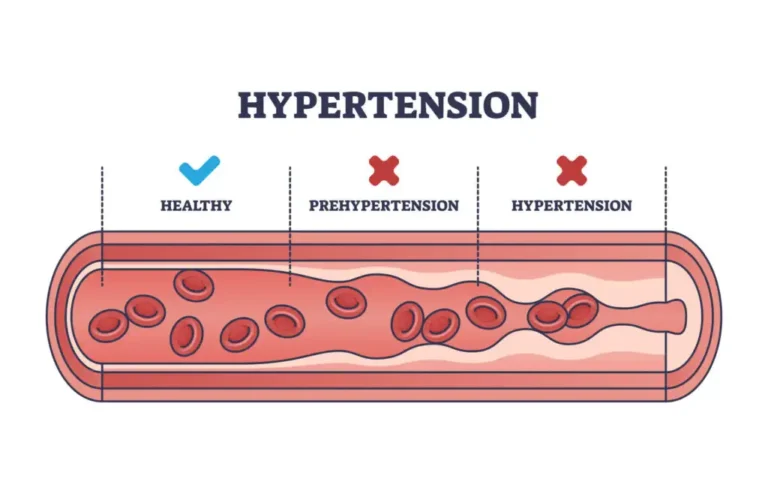
Most conventional approaches treat hypertension as if it were simply a plumbing problem: the pipes are too narrow, so we use medications to force them open or reduce fluid volume. This approach can lower numbers but does nothing to address why the body raised blood pressure in the first place. From an integrative cardiology perspective, elevated blood pressure is almost always a downstream consequence of deeper metabolic, inflammatory, hormonal, or nervous system dysfunction.
Insulin Resistance And Metabolic Dysfunction
Insulin resistance is one of the most common and overlooked drivers of hypertension. When cells become resistant to insulin, the body produces more insulin to compensate. Elevated insulin causes the kidneys to retain sodium and fluid, activates the sympathetic nervous system, impairs nitric oxide production in blood vessels, and promotes inflammation. All of these raise blood pressure. Addressing insulin resistance through nutrition, movement, sleep, and stress management can produce significant blood pressure improvements within four to twelve weeks, but requires consistent effort.
Chronic Inflammation
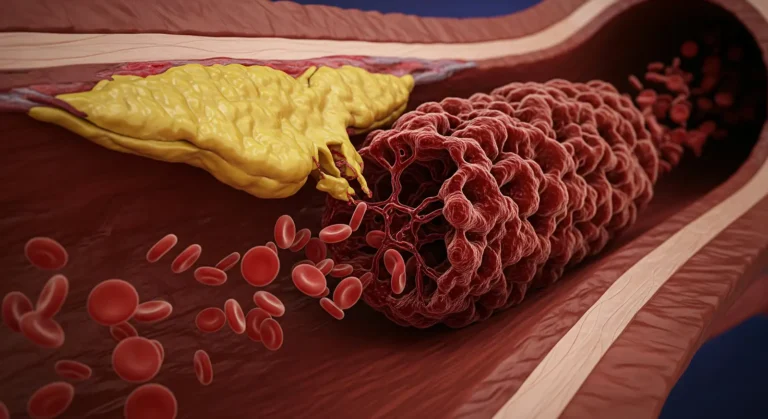
Inflammation damages the endothelium, the inner lining of blood vessels that produces nitric oxide and regulates vascular tone. When the endothelium is inflamed, vessels become stiff and less able to dilate, raising blood pressure. Sources of chronic inflammation include poor gut health, hidden infections, food sensitivities, environmental toxins, and chronic stress. Identifying and removing inflammatory triggers while supporting the body’s resolution pathways can improve vascular function and blood pressure over weeks to months.
Hormonal Imbalances
Hormones play a significant role in blood pressure regulation. Cortisol, when chronically elevated due to stress, raises blood pressure through multiple mechanisms. Thyroid dysfunction affects metabolic rate and vascular function. In women, the decline of estrogen during perimenopause and menopause often triggers blood pressure increases because estrogen supports nitric oxide production and vascular flexibility. In men, testosterone decline can contribute to increased visceral fat and insulin resistance, both of which raise blood pressure. Addressing hormonal imbalances can produce improvements over one to three months.
Nervous System Dysregulation
The autonomic nervous system directly controls blood pressure through heart rate and vascular tone. When the sympathetic nervous system is chronically activated due to stress, trauma, poor sleep, or metabolic dysfunction, blood pressure stays elevated as part of the body’s survival response. Many people with hypertension have been living in fight-or-flight mode for so long they do not even recognize it. Nervous system regulation through breathwork, heart rate variability training, sleep optimization, and stress recovery can produce measurable blood pressure changes within weeks, but deeper nervous system healing often takes months of consistent practice.
Timeline When Addressing Root Causes
First Two Weeks
Initial changes can happen quickly when you remove acute stressors. Reducing processed foods and added sugars begins to lower insulin levels. Improving sleep quality reduces cortisol and allows the nervous system to shift toward recovery. Stress management techniques like deep breathing can lower blood pressure within minutes and produce sustained effects when practiced daily. These early wins provide motivation while deeper changes take hold.
Four To Eight Weeks
This is when metabolic changes begin to manifest. Insulin sensitivity improves with consistent dietary changes and regular movement. Inflammation markers start to decline as gut health improves and inflammatory triggers are removed. Endothelial function begins to recover, improving vascular responsiveness. Many people see meaningful blood pressure reductions in this window, especially if they started with significant metabolic dysfunction.
Two To Four Months
This is where body composition changes become significant. Visceral fat loss reduces the inflammatory and hormonal signals that raise blood pressure. Muscle preservation or gain improves metabolic flexibility and glucose handling. The nervous system, with consistent support, begins to establish new baseline patterns. Hormonal rebalancing takes effect. For many people, this is when blood pressure normalizes and medications can potentially be reduced or eliminated under medical supervision.
Four To Six Months And Beyond
Deeper vascular remodeling occurs over this longer timeframe. Blood vessel structure can actually change with sustained improvements in metabolic and inflammatory status. The body establishes new set points for blood pressure regulation. This is also when the lifestyle changes that drove improvement become truly habitual, making results sustainable long-term.
Why Conventional Approaches Often Fall Short
Standard treatment for hypertension typically involves medication and generic advice to reduce salt, lose weight, and exercise more. While medications can lower blood pressure numbers, they do not address what is causing blood pressure to be elevated. Many patients end up on multiple medications with persistent side effects while the underlying metabolic dysfunction continues to worsen. The conventional approach also fails to recognize that different people have hypertension for different reasons. Someone with insulin-driven hypertension needs a different strategy than someone with stress-driven hypertension or inflammation-driven hypertension. A one-size-fits-all approach produces one-size-fits-all mediocre results.
What You Should Consider
Get Comprehensive Testing: Standard blood pressure readings and basic labs do not reveal the root causes of hypertension. Advanced testing for insulin resistance, inflammatory markers, hormonal status, and metabolic function provides the data needed to build an effective, personalized plan.
Address Body Composition, Not Just Weight: Losing weight through extreme dieting or excessive cardio can actually worsen metabolic health if you lose muscle along with fat. Focus on reducing visceral fat while preserving or building lean muscle for sustainable blood pressure improvement.
Prioritize Nervous System Recovery: If you have been living in chronic stress or survival mode, no amount of diet and exercise will fully normalize blood pressure until your nervous system feels safe. Sleep, stress management, and recovery practices are not optional extras.
Be Patient With The Process: Root-cause resolution takes longer than simply adding a medication, but the results are deeper and more durable. Trust the process and track objective markers to confirm progress.
Work With Qualified Guidance: If you are on blood pressure medications, do not stop them without medical supervision. As root causes are addressed and blood pressure improves, medication adjustments should be guided by a practitioner who understands both conventional and integrative approaches.
When To Seek Care Urgently
Seek emergency care for blood pressure readings above 180/120 mmHg, especially if accompanied by symptoms like severe headache, chest pain, shortness of breath, vision changes, difficulty speaking, numbness, or severe anxiety. This may indicate a hypertensive crisis requiring immediate treatment. Also seek urgent care for any symptoms of heart attack or stroke regardless of blood pressure reading. Root-cause approaches are for prevention and long-term resolution, not acute emergencies.
Talk it through with our team
If you want to understand what is actually driving your blood pressure and build a plan that addresses root causes rather than just managing numbers, a comprehensive evaluation can identify metabolic dysfunction, inflammatory triggers, hormonal imbalances, and nervous system patterns that standard testing misses.
Book a discovery call →References
- Carey RM, Moran AE, Whelton PK. Treatment of Hypertension: A Review. JAMA. 2022;328(18):1849-1861. doi:10.1001/jama.2022.19590.
- Neter JE, Stam BE, Kok FJ, Grobbee DE, Geleijnse JM. Influence of Weight Reduction on Blood Pressure: A Meta-Analysis of Randomized Controlled Trials. Hypertension. 2003;42(5):878-84. doi:10.1161/01.HYP.0000094221.86888.AE.
- Mechanick JI, Farkouh ME, Newman JD, Garvey WT. Cardiometabolic-Based Chronic Disease, Adiposity and Dysglycemia Drivers: JACC State-of-the-Art Review. Journal of the American College of Cardiology. 2020;75(5):525-538. doi:10.1016/j.jacc.2019.11.044.
- Joseph CN, Porta C, Casucci G, et al. Slow Breathing Improves Arterial Baroreflex Sensitivity and Decreases Blood Pressure in Essential Hypertension. Hypertension. 2005;46(4):714-8. doi:10.1161/01.HYP.0000179581.68566.7d.
- Jones DW, Ferdinand KC, Taler SJ, et al. 2025 AHA/ACC Guideline for the Prevention, Detection, Evaluation, and Management of High Blood Pressure in Adults. Journal of the American College of Cardiology. 2025;86(18):1567-1678. doi:10.1016/j.jacc.2025.05.007.Insert study]
More Heart Health Questions, Answered
This article is part of the HHC Clinical FAQ Series — in-depth answers to the most common heart health questions, written and reviewed by Dr. Regina Druz, MD, MBA, FACC, FMCP-M.
Similar Posts
Sleep and Heart Health: Why Poor Sleep Is a Cardiovascular Risk Factor
ArrhythmiasHeart Attack PreventionHeart DiseaseHypertension Sleep and heart health are connected through mechanisms that are direct, measurable, and increasingly well-understood. Poor sleep is not just a risk factor — it is an active driver of cardiovascular disease, operating through the same biological pathways as smoking, hypertension, and dyslipidemia. Yet sleep quality is rarely systematically evaluated in…
What Triggers Most Heart Attacks?
Heart Attack Prevention Most heart attacks are triggered by the rupture of vulnerable arterial plaque, not by severe blockages that gradually cut off blood flow. When an inflamed, unstable plaque ruptures, it exposes its contents to the bloodstream, triggering a blood clot that can completely block the artery within minutes. This is why many heart…
What Foods Help Lower Hypertension?
Hypertension The foods that help lower blood pressure are those that address the root causes driving the elevation in the first place. This means foods that improve insulin sensitivity, reduce inflammation, support healthy endothelial function, and provide the nutrients your vascular system needs to regulate itself. A list of blood pressure lowering foods misses the…
- Coronary Artery Disease | Heart Attack Prevention | Heart Disease | Hypertension | Metabolic Syndrome
Is Weightlifting Good for Your Heart? What Cardiologists Know Now
Coronary Artery DiseaseHeart Attack PreventionHeart DiseaseHypertensionMetabolic Syndrome Is weightlifting good for your heart? The evidence — much of it published in the last decade — is unambiguously yes, with important nuance about dose, intensity, and patient population. As an integrative cardiologist, Dr. Regina Druz, MD, MBA, FACC, FMCP-M views resistance training as one of the…
Treating Hypertension on Long Island
Heart DiseaseHypertension Headaches Shortness of breath Nosebleeds Healthy eating and limiting sodium and salt Being physically active Maintaining a healthy weight Limiting alcohol intake Managing and coping with stress This article was reviewed by Dr. Regina Druz, MD, MBA, FACC, FMCP-M — Board-Certified Integrative Cardiologist at Holistic Heart Centers, Roslyn, NY. This content is for…
Foods That Lower Blood Pressure: A Cardiologist’s Evidence-Based Guide
Coronary Artery DiseaseHeart Attack PreventionHeart DiseaseHypertension Foods that lower blood pressure are among the most searched cardiovascular topics online — and for good reason. Hypertension affects nearly half of American adults, most of whom are managed with medication alone, without a systematic review of the dietary and lifestyle factors that drive blood pressure elevation. As…