Coronary artery calcium score — your heart attack risk in numbers.
A coronary artery calcium score reveals what’s actually happening inside your arteries — years before symptoms appear. This quick, non-invasive scan detects hidden plaque buildup that standard cholesterol tests miss entirely. At our practice, we use CAC scoring and CT angiography as essential tools to catch heart disease early, when it’s most reversible.

What if you could see inside your arteries and know — with certainty — whether plaque is building up? What if you didn’t have to wonder whether your “normal” cholesterol numbers actually meant you were safe?
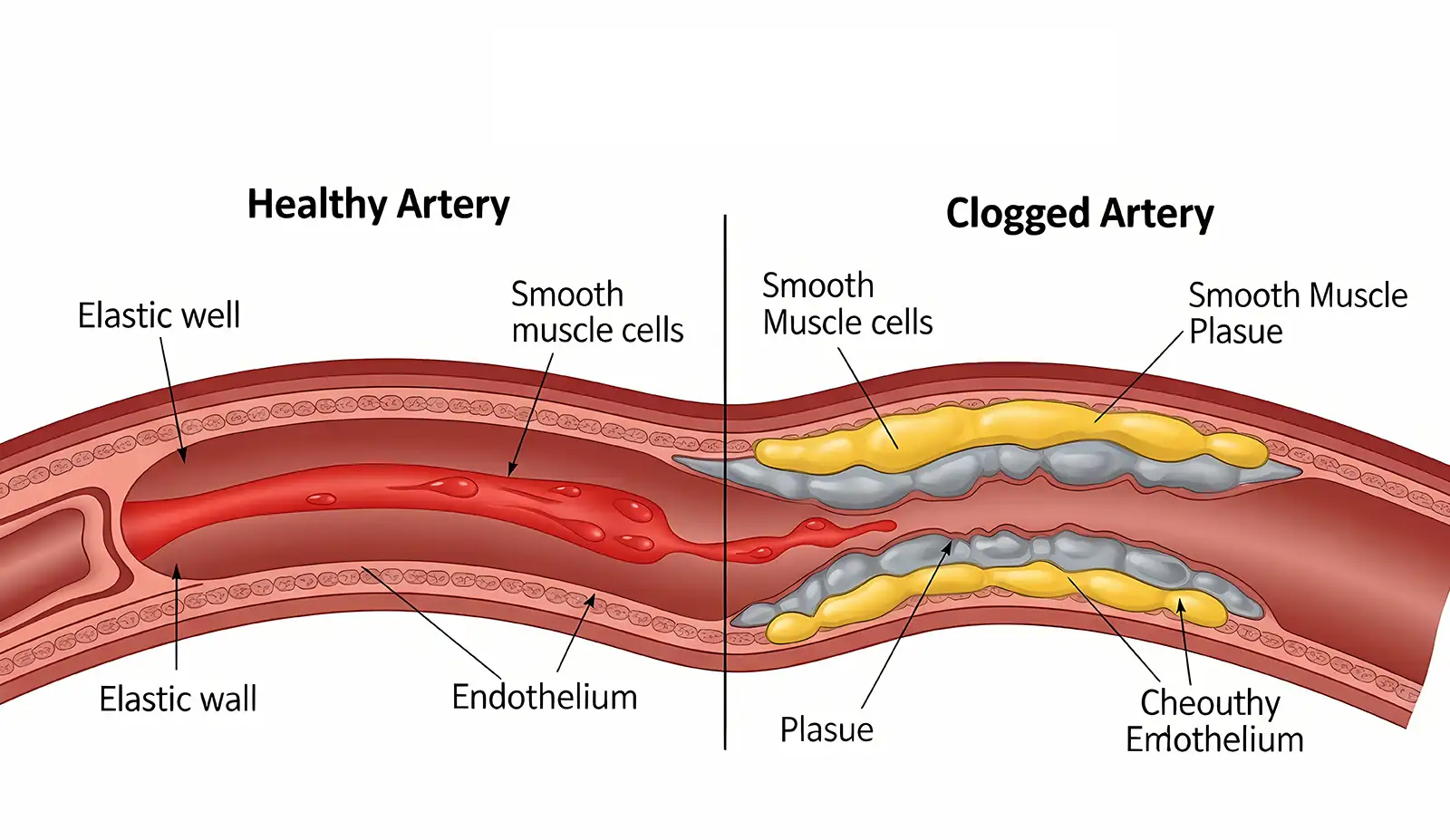
Here’s a truth that keeps integrative cardiologists up at night: most heart attacks happen in people with “normal” cholesterol. Standard blood tests tell you what’s floating in your bloodstream — but they can’t tell you what’s already deposited on your artery walls. That’s like checking your oil level but never looking under the hood to see if the engine is damaged.
A coronary artery calcium (CAC) score changes everything. It’s the closest thing we have to a crystal ball for your heart — a direct window into whether atherosclerosis is silently progressing, even when every other test says you’re fine.
What is a coronary artery calcium score?
A coronary artery calcium score is a specialized CT scan that measures calcified plaque in the arteries feeding your heart. The scan takes less than 10 minutes, requires no injections or dye, and delivers a precise number that tells us whether — and how much — atherosclerosis has already developed.
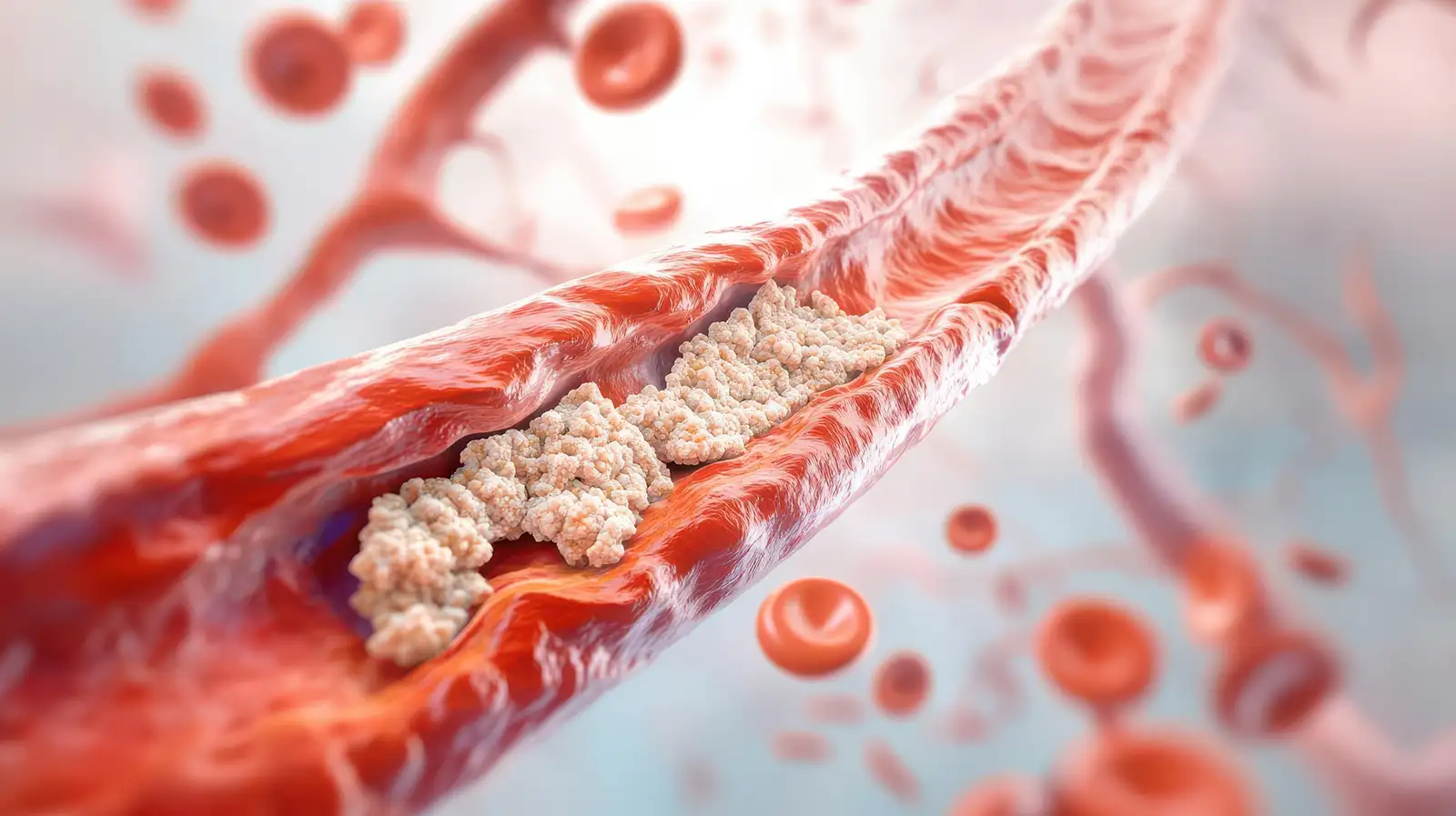
Think of calcium deposits as the body’s attempt to stabilize damaged areas of your arteries. Where there’s calcium, there’s been inflammation and plaque formation. A CAC score of zero means no detectable calcified plaque and a very low risk of heart attack in the next 10–15 years. Any score above zero tells us that atherosclerosis is present and demands attention.
CT angiography (CTA): seeing beyond calcium.
While a CAC score reveals calcified plaque, CT angiography (CTA) takes imaging a step further. Using contrast dye and advanced CT technology, a CTA visualizes your entire coronary artery tree — showing not just calcium, but soft plaque (the unstable kind most likely to rupture and cause heart attacks), narrowing of the arteries, and the overall anatomy of your coronary circulation.
We may recommend a CTA when:
- Your CAC score is elevated and we need to assess the extent of disease.
- You’re experiencing symptoms like chest discomfort, shortness of breath, or unusual fatigue.
- We need to evaluate whether blockages are significant enough to affect blood flow.
- You have risk factors but inconclusive stress test results.
Together, CAC scoring and CTA give us a complete picture of your arterial health — something blood tests alone simply cannot provide.
A single number, four levels of risk.
Your CAC score places you on a clear gradient — from a pristine zero to extensive plaque. Each range points to a different prevention strategy, which is exactly why we test instead of guess.
No calcified plaque
No identifiable calcified plaque. Very low risk — this is the score we want to maintain.
Early atherosclerosis
Mild calcified plaque buildup. Early atherosclerosis is present — the ideal window for aggressive prevention.
Disease developing
Moderate calcified plaque. Significant disease is developing — intensive lifestyle and medical intervention is warranted.
Extensive plaque
Extensive calcified plaque. High risk of cardiac events — comprehensive treatment and close monitoring are essential.
A CAC score delivers two critical metrics: a risk assessment based on the categories above, and a coronary artery age measurement that identifies how fast atherosclerosis is progressing — interpreted in the context of your unique biology. That’s exactly the kind of personalized read we provide at Holistic Heart Centers.
Precision data for a data-driven approach.
CAC scoring is most valuable for people who want definitive answers about their cardiovascular risk — and we make the process clear and comfortable from start to finish.
People who want data, not guesswork.
- Adults 40–75 with risk factors — high blood pressure, elevated cholesterol, diabetes, family history, or a high-risk genetic profile.
- Those in the “intermediate risk” category where the right treatment path isn’t clear.
- Anyone wanting definitive answers about whether statin therapy is truly necessary.
- People with a strong family history of premature heart disease who want early detection.
- Patients told their labs are “fine” who still feel uncertain about their heart.
- Those committed to precision prevention who want data, not guesswork.
Quick, painless imaging.
- CAC score — you lie on a table while a CT scanner images your heart in about 5–10 minutes. No needles, no dye, no fasting. Return to normal activities immediately.
- CT angiography — an IV injection of contrast dye, a 15–20 minute scan. A beta-blocker beforehand slows your heart rate and nitroglycerin dilates the arteries for clearer images; avoid caffeine that morning.
- Comprehensive review — we personally review your images and explain not just what they show, but what it means for your health and what to do next.
Why early detection changes everything.
In conventional medicine, we often wait for symptoms before taking heart disease seriously. But here’s what most people don’t realize: by the time you feel chest pain or shortness of breath, decades of damage have already occurred. The first symptom of heart disease is too often a heart attack itself.
A CAC score catches the disease in its silent phase — when intervention is most effective and outcomes are best. The question isn’t “Do I have symptoms?” — it’s “Is disease developing that I can’t yet feel?” That’s the difference between reactive medicine and precision prevention. We don’t guess — we test. And when you know your score, you can finally replace the anxiety of uncertainty with clarity and a real plan.
How we use your CAC score in your care.
At Holistic Heart Centers, a CAC score isn’t just a number we file away — it’s a cornerstone of your personalized treatment strategy. We integrate your imaging results with advanced blood work, genetic testing, and a thorough assessment of your metabolic, hormonal, and lifestyle factors.
Your CAC questions, answered.
01 How often should I repeat the CAC scan? +
02 My CAC score is high — does that mean I’ll have a heart attack? +
03 Can a CAC score decrease over time? +
04 Is CAC scoring covered by insurance? +
05 I’m young and healthy — do I really need this? +
See inside your arteries — and take control.
Health is wealth. Don’t wait for a crisis to find out where you stand. Schedule a free Heart Health Strategy Session to discuss whether CAC scoring or CT angiography is right for you — we’ll review your risk factors, answer your questions, and show how advanced imaging fits into a comprehensive approach to cardiovascular protection.
Free, private strategy session. · Call or text 877-511-5166
Speak with a Human →Learn More
Guides
Articles
-

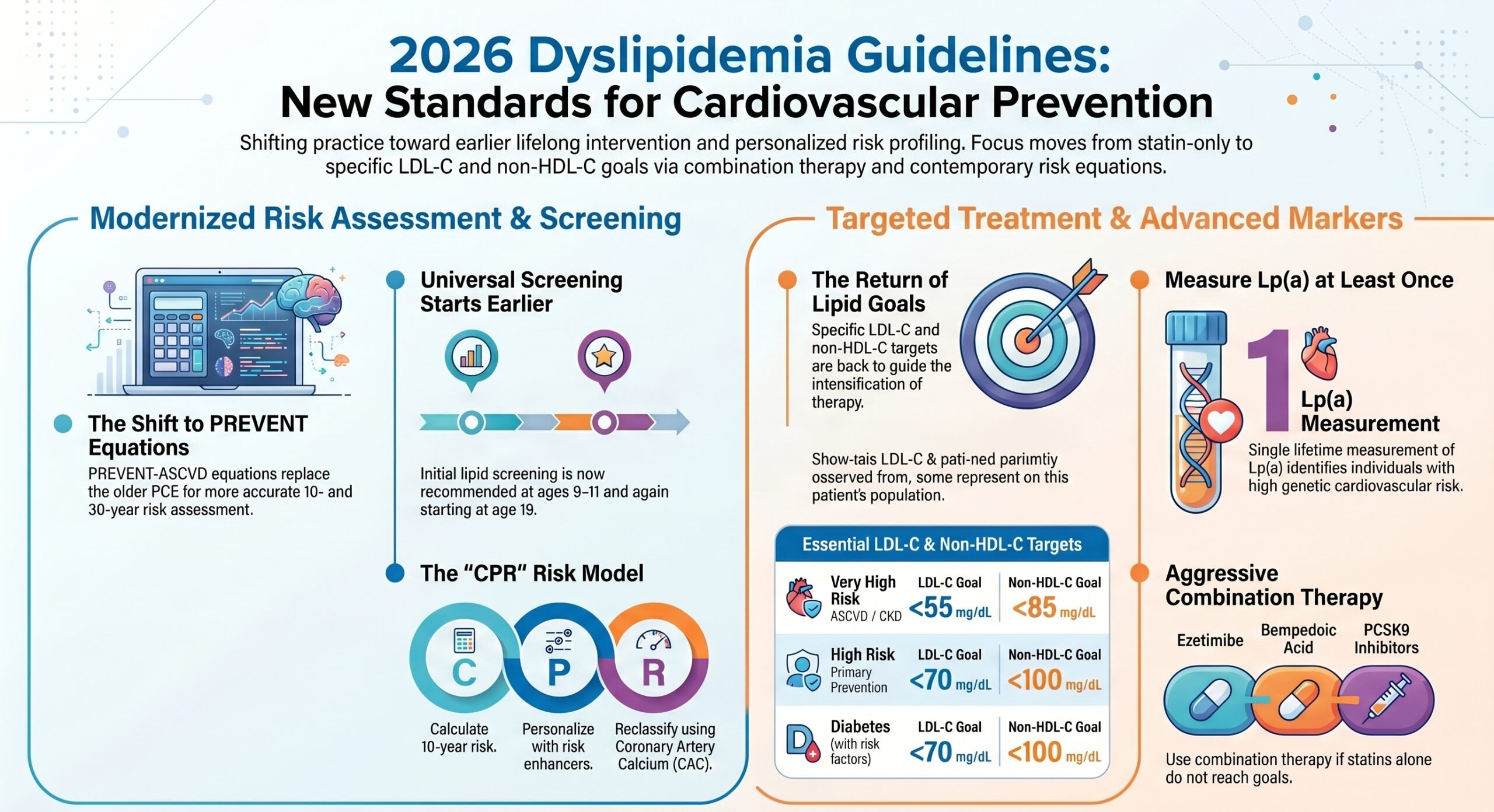
New Cholesterol Guidelines 2026: LDL Targets, Lp(a), and What Changed
Coronary Artery DiseaseHigh Cholesterol & Lp(a) The 2026 ACC/AHA Dyslipidemia Guideline introduces five major changes: a new risk calculator (PREVENT…
-

What Is The Best Way To “Unclog” Your Arteries?
Coronary Artery Disease The idea of “unclogging” arteries is appealing but oversimplified. Arteries are not pipes, and plaque is not…
-

Can You Live A Long Life With Calcified Arteries?
Coronary Artery Disease Yes, many people live long, active lives with calcified arteries, but the outcome depends entirely on what…