Supplements to Clean Arteries: What Actually Works | Dr. Druz
Supplements to clean arteries — the claim is everywhere online. But which ones actually have clinical evidence, which are dangerous hype, and which carry real drug interaction risks? As an integrative cardiologist, Dr. Regina Druz, MD, MBA, FACC, FMCP-M evaluates arterial supplements not just on whether they move lipid numbers, but on whether they address the mechanisms that drive plaque: oxidative stress, inflammation, endothelial dysfunction, and metabolic dysfunction.
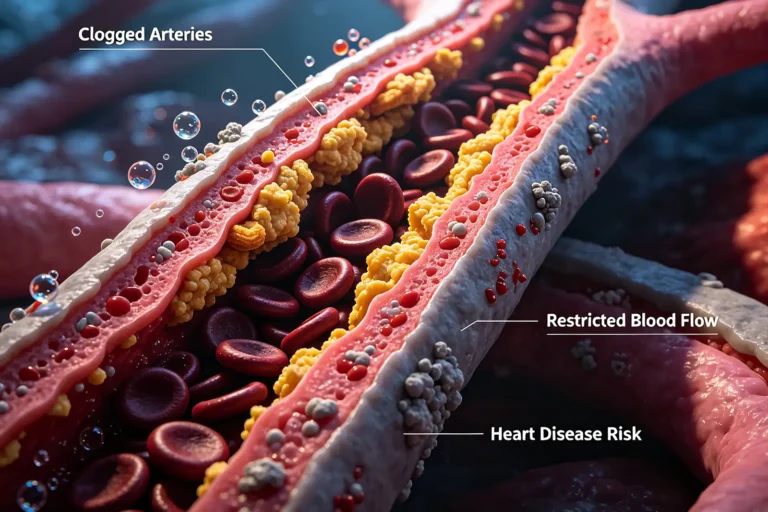
No supplement dissolves or removes existing arterial plaque.
Strong evidence — multiple independent randomized controlled trials with consistent results and meaningful effect sizes.Moderate evidence — smaller or fewer RCTs, or trials with inconsistent results, but a…
Omega-3 fatty acids are the most extensively studied cardiovascular supplement with the strongest outcomes data.
Berberine inhibits PCSK9 — the same protein targeted by the most potent prescription cholesterol drugs — increasing LDL receptor expression and clearance.
Can Supplements Actually Clean Your Arteries?
No supplement dissolves or removes existing arterial plaque. What the best-studied supplements can do is meaningfully different — and still clinically valuable: reduce LDL oxidation, lower inflammation driving plaque progression, improve endothelial function, reduce LDL and triglycerides through specific mechanisms, and in some cases slow measurable atherosclerosis progression on imaging.
Supplements to Clean Arteries: Evidence Tiers
Strong evidence — multiple independent randomized controlled trials with consistent results and meaningful effect sizes.
Moderate evidence — smaller or fewer RCTs, or trials with inconsistent results, but a plausible mechanism and reasonable clinical support.
Weak evidence — limited, conflicting, or low-quality trials; theoretical mechanisms without robust human outcomes data.
Strong Evidence
1. Omega-3 Fatty Acids (EPA and DHA)
Omega-3 fatty acids are the most extensively studied cardiovascular supplement with the strongest outcomes data. EPA and DHA reduce triglycerides by 20–50% at therapeutic doses, lower inflammatory markers including hsCRP and IL-6, reduce platelet aggregation, and improve endothelial function. The landmark REDUCE-IT trial found that high-dose EPA (4g/day) reduced major cardiovascular events by 25% in high-risk patients on statins. Therapeutic cardiovascular doses are 2–4g/day of combined EPA+DHA. Quality matters — look for products with third-party testing for oxidation and heavy metals.
2. Vitamin K2 (MK-7 form)
Vitamin K2 activates Matrix Gla Protein (MGP), which prevents calcium from depositing in arterial walls — a key component of plaque hardening and vascular stiffening. The Rotterdam Study found that participants with the highest K2 intake had a 52% lower risk of severe aortic calcification. The MK-7 form has the longest half-life and best evidence for arterial protection. Standard dose: 90–180 mcg daily. Patients on warfarin must consult their physician before supplementing.
2026 update: the evidence for K2 improved in quality this year. The DANCODE trial, published in Circulation, randomised 398 people with severe coronary calcification to vitamin K2 (720 mcg) plus vitamin D3 (1,000 IU) or placebo for two years, and found calcium scores rose 21% more slowly in the supplement group. That moves K2 from observational data to randomised evidence — but the endpoint was a calcium score on a scan, not heart attacks or survival, and total and soft plaque did not change. The trial’s authors are explicit that it does not justify routine supplementation, and the accompanying editorial cautioned against prioritising these vitamins over treatments with proven outcome benefit. The trial was funded by a vitamin K2 manufacturer. K2’s evidence is now better in quality while remaining limited to a surrogate marker.
For the full dose comparison and what the label units mean, see our Vitamin K2 + D3 guide.
Moderate Evidence
3. Berberine
Berberine inhibits PCSK9 — the same protein targeted by the most potent prescription cholesterol drugs — increasing LDL receptor expression and clearance. It also activates AMPK, improving insulin sensitivity and reducing hepatic cholesterol synthesis. Meta-analyses show berberine reduces LDL by approximately 18–25 mg/dL, triglycerides by 15–20 mg/dL, and fasting glucose by 15–20 mg/dL. Critical caveat: berberine inhibits CYP3A4 and P-glycoprotein, which can significantly elevate plasma levels of statins, cyclosporine, and certain antihypertensives. A formal drug interaction review is mandatory before use. Dose: 500mg twice daily with meals.
For a deeper evidence review of berberine alongside aged garlic and bergamot, Dr. Druz has compiled a full clinical dossier available in Holistic Heart University: Aged Garlic, Berberine, or Bergamot.
4. Aged Garlic Extract
Aged garlic extract (AGE) — produced through a cold-aging process that converts harsh compounds into stable S-allylcysteine (SAC) — has demonstrated specific benefits for arterial health. Multiple randomized trials show AGE reduces coronary artery calcium progression, lowers blood pressure by 5–8 mmHg, reduces LDL oxidation, and favorably modifies gut microbiome composition. A 2016 study found AGE slowed CAC progression by 1.5 times compared to placebo in patients with metabolic syndrome. Dose: 600–1,200mg daily. Precaution: AGE inhibits platelet aggregation. Discontinue 10 days before elective surgery.
The full clinical profile of aged garlic extract is covered in the Holistic Heart University: Aged Garlic, Berberine, or Bergamot e-book.
5. Coenzyme Q10 (CoQ10)
CoQ10 is an endogenous antioxidant critical for mitochondrial energy production in heart muscle. It protects LDL from oxidation — a key step in atherosclerotic plaque initiation. Statins deplete CoQ10 by inhibiting the mevalonate pathway, which is the primary reason for statin-associated muscle symptoms. A meta-analysis found CoQ10 reduced systolic blood pressure by approximately 11 mmHg and diastolic by 7 mmHg. Dose: 100–400mg daily; the ubiquinol form has superior absorption. Particularly recommended for statin users and patients over 50.
6. Citrus Bergamot
Citrus bergamot extract’s unique flavonoids — neoeriocitrin, neohesperidin, and naringin — activate AMPK and inhibit HMG-CoA reductase (the same enzyme statins target). Meta-analyses report LDL reductions of 35–55 mg/dL, total cholesterol reductions of 50–65 mg/dL, and triglyceride reductions of 50–75 mg/dL. Critically, bergamot also reduces small dense LDL — the most atherogenic lipoprotein fraction. Dose: 500–1,000mg daily. No significant drug interactions identified to date.
The mechanism, dosing protocols, and trial comparisons for bergamot are covered in detail in the Holistic Heart University: Aged Garlic, Berberine, or Bergamot e-book.
Weak Evidence
7. Nattokinase
Nattokinase is an enzyme derived from natto (fermented soybeans) with fibrinolytic properties — it breaks down fibrin, a protein involved in blood clot formation. Several small clinical trials have shown nattokinase reduces carotid intima-media thickness and improves blood viscosity.
However, nattokinase is classified here as weak evidence because the existing trials are small, short-duration, and lack hard cardiovascular outcomes data. The mechanism is plausible but not yet validated at the scale required to draw firm clinical conclusions. Dose: 2,000–4,000 FU (fibrinolytic units) daily. Important: nattokinase has significant anticoagulant activity — it cannot be combined with warfarin, aspirin, clopidogrel, or other blood thinners without physician oversight.
For a full review of the nattokinase trial data, mechanisms, and clinical use cases, see the Holistic Heart University: Nattokinase Clinical Dossier.
The Integrative Cardiologist’s Approach to Supplement Selection
At Holistic Heart Centers, supplement selection is driven by testing — not guesswork. The markers that determine which supplements are most relevant include: LDL particle number and small dense LDL (NMR LipoProfile), oxidized LDL, hsCRP and other inflammatory markers, Lp(a), fasting insulin and HOMA-IR, intracellular CoQ10 levels, omega-3 index, and coronary artery calcium score for direct plaque burden assessment.
Whether any of these supplements belong in your regimen depends on your specific heart health indicators and risk. The HeartWell Quiz takes about 4 minutes and gives you an assessment that you can share with your own physician.
Take the HeartWell Quiz →Frequently Asked Questions
What supplements to clean arteries are most effective?
The supplements with the strongest clinical evidence are high-dose omega-3 fatty acids (Strong) and vitamin K2 MK-7 (Strong). Moderate evidence supports berberine for metabolic dysfunction, aged garlic extract, CoQ10 for statin users, and citrus bergamot for lipid lowering. Nattokinase has early promising data but remains weak evidence pending larger trials.
Are supplements to unclog arteries safe?
The most important safety considerations involve drug interactions. Berberine significantly affects CYP3A4 and can elevate statin levels. Nattokinase and aged garlic extract have anticoagulant activity that can potentiate blood thinners. Vitamin K2 requires consultation for patients on warfarin. None of these supplements should be started without reviewing your current medication list with your physician.
How long do supplements take to affect arterial health?
Lipid changes from berberine, bergamot, and omega-3s are typically visible on a repeat panel within 6–8 weeks. Reductions in inflammatory markers like hsCRP may take 2–3 months. Changes in coronary artery calcium require 12–24 months of consistent intervention to detect on imaging. The 2026 DANCODE trial illustrates this timeline directly: it scanned participants at baseline, one year and two years, and the difference between groups was measured over a full 24 months.
Can supplements replace statins?
For patients with established cardiovascular disease, diabetes, or a 10-year cardiovascular risk above 7.5%, statins have decades of outcomes data that supplements cannot match. For patients with mildly elevated cholesterol and no established disease, supplements alongside dietary changes represent a reasonable first step under medical supervision.
What supplements interact with statins?
Berberine is the most important interaction — it inhibits CYP3A4, the enzyme that metabolizes simvastatin and lovastatin, potentially doubling or tripling their plasma levels and raising myopathy risk. CoQ10 and bergamot are generally safe with statins. Always review your complete medication list with your prescribing physician before adding any supplement.
A new trial found vitamins slowed artery calcium. Does that mean my plaque is going away?
No. In the DANCODE trial, published in Circulation in 2026, people with severe coronary calcification who took vitamin K2 and D3 for two years accumulated calcium 21% more slowly than those on a placebo — but their calcium scores still went up. Total plaque did not change, and neither did soft plaque, the type most associated with heart attacks. A calcium score is a well-established predictor of cardiac risk, but a slower rise in that score has not been shown to mean fewer heart attacks — so the researchers were explicit that the result does not justify routine supplementation. It supports what this article says throughout: the realistic goal is slowing progression, not clearing arteries.
Want to know which supplements are right for your specific arterial health picture?
A Step 1 Explore visit with Dr. Druz includes advanced lipid testing, inflammatory markers, and a personalized supplement protocol.
Schedule a free strategy call →Top Supplements for Arterial Health
These statements have not been evaluated by the Food and Drug Administration. Supplements are not intended to diagnose, cure, or treat any disease, and are not a substitute for appropriate cardiovascular evaluation with a qualified healthcare professional.
Medically reviewed by Dr. Regina Druz, MD, MBA, FACC, FMCP-M — Board-Certified Integrative Cardiologist at Holistic Heart Centers, Roslyn, NY. Last reviewed: August 2026.
References
- Bhatt DL, et al. Cardiovascular Risk Reduction with Icosapentaenoic Acid (REDUCE-IT). N Engl J Med. 2019;380(1):11-22.
- Geleijnse JM, et al. Dietary Intake of Menaquinone Is Associated with a Reduced Risk of Coronary Heart Disease. J Nutr. 2004;134(11):3100-3105.
- Blais JE, et al. Overall and Sex-Specific Effect of Berberine for Treatment of Dyslipidemia. Drugs. 2023;83(5):455-476.
- Budoff MJ, et al. Inhibiting Progression of Coronary Calcification Using Aged Garlic Extract. Prev Med. 2009;49(2-3):218-223.
- Toth PP, et al. Bergamot Reduces Plasma Lipids, Atherogenic Small Dense LDL, and Subclinical Atherosclerosis. Front Pharmacol. 2016;6:299.
- Hasific S, et al. Vitamin K2 and D3 Supplementation in Patients With Severe Coronary Artery Calcification: The DANCODE Trial. Circulation. 2026;154.
- Daubert MA, Blaha MJ. Coronary Calcium Regression With Vitamin Supplementation: A Therapeutic Target or Too Good to be True? Circulation. 2026;154.
More Articles on Heart Disease
-
Can Diet Reverse Heart Disease?
Read more →: Can Diet Reverse Heart Disease?Heart Disease Diet can contribute to reversing heart disease, particularly when it addresses the root causes of atherosclerosis like inflammation, insulin resistance, and oxidative stress. Clinical trials have demonstrated measurable plaque regression with intensive dietary intervention. However, diet alone may not be sufficient for everyone, especially those with advanced disease, genetic risk factors, or significant…
-
What Causes Heart Disease?
Read more →: What Causes Heart Disease?Heart Disease Heart disease is caused by damage to the blood vessels and heart muscle that accumulates over time. While cholesterol often receives the most attention, the actual disease process is driven by a combination of chronic inflammation, metabolic dysfunction, oxidative stress, and arterial damage. These factors interact to create atherosclerosis, the buildup of plaque…
-
Why Is Heart Disease The Leading Cause Of Death?
Read more →: Why Is Heart Disease The Leading Cause Of Death?Heart Disease Heart disease remains the leading cause of death worldwide because it develops silently over decades, is driven by common modern lifestyle factors, and is often detected too late requiring invasive intervention. The cardiovascular system is uniquely vulnerable to the cumulative effects of inflammation, metabolic dysfunction, and arterial damage. Unlike many other diseases, heart…
See all Heart Disease articles → | Back to Heart Health Blog