 Skip to content

If you have been told you have plaque buildup in your arteries, or you are concerned about your cardiovascular risk, you have likely come across lists of foods that “clean” or “unclog” your arteries. As an integrative cardiologist, I want to give you a more accurate picture: certain foods can meaningfully reduce inflammation, slow plaque progression, and support arterial health — but the mechanism is more nuanced than the word “clean” implies.
This guide covers what actually happens inside your arteries, which foods have the strongest evidence behind them, and how to build a dietary pattern that supports long-term cardiovascular health.
What Is Arterial Plaque and Can It Be Reduced?
Arterial plaque — the buildup that causes atherosclerosis — is a complex mixture of cholesterol, inflammatory cells, calcium, and fibrous tissue that accumulates inside the artery wall over years. It does not simply “wash away” with diet, but the evidence is clear that certain dietary patterns can stabilize existing plaque, reduce inflammation that drives its growth, and in some cases contribute to modest regression of early plaque.
The key mechanisms through which food influences arterial health are: reducing LDL and oxidized LDL cholesterol, lowering systemic inflammation (measured by hsCRP), improving endothelial function (the health of the artery’s inner lining), and reducing blood pressure and insulin resistance — both of which accelerate plaque formation.
10 Foods With Real Evidence for Arterial Health
1. Fatty Fish (Salmon, Sardines, Mackerel)
Omega-3 fatty acids — particularly EPA and DHA found in cold-water fatty fish — are among the most well-studied nutrients for cardiovascular protection. They reduce triglycerides, lower inflammatory markers, improve endothelial function, and reduce platelet aggregation. A landmark 2019 REDUCE-IT trial found that high-dose EPA significantly reduced major cardiovascular events in high-risk patients. Aim for two servings of fatty fish per week as a foundation.
2. Leafy Greens (Spinach, Kale, Swiss Chard, Arugula)
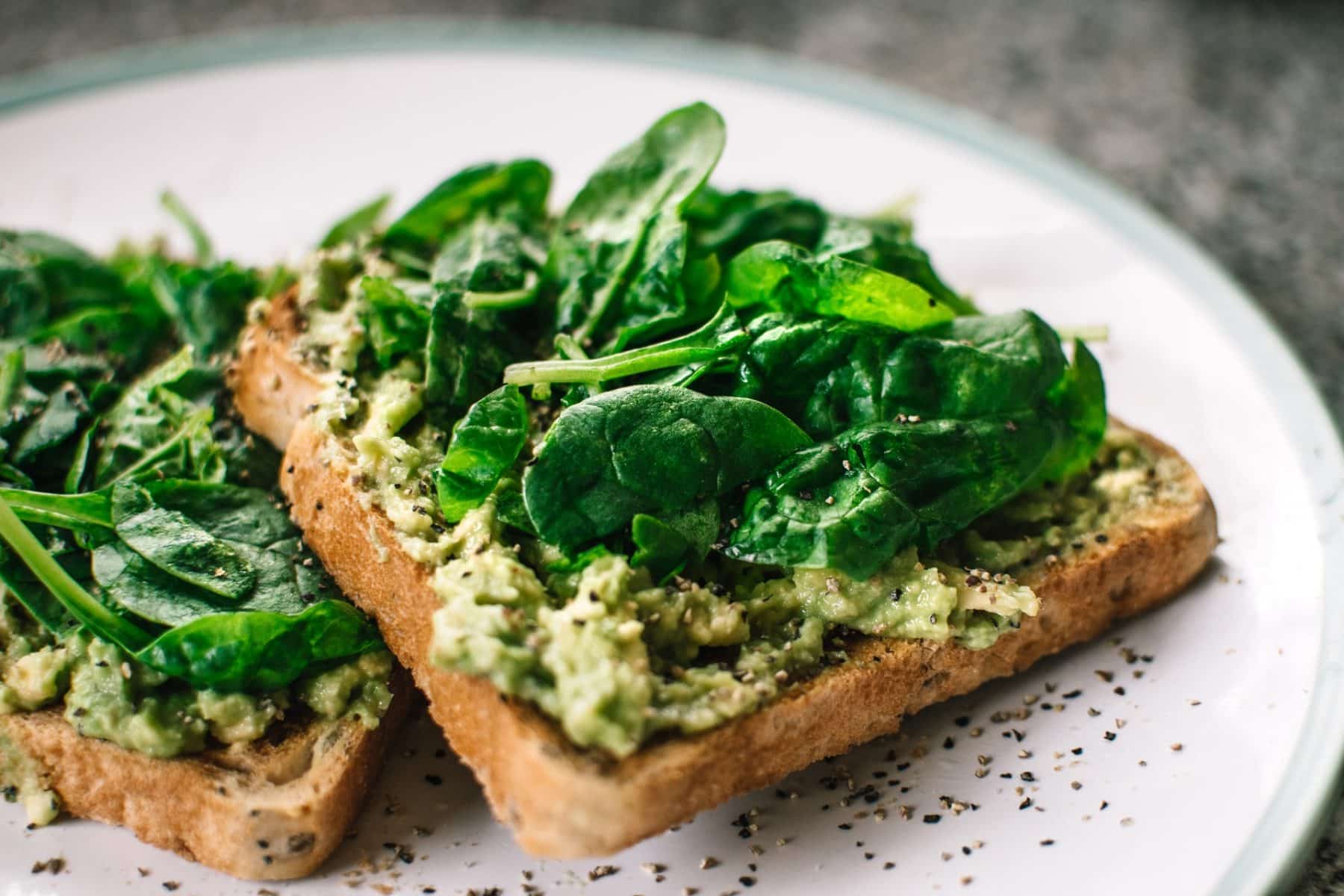
Dark leafy greens are rich in dietary nitrates, which the body converts to nitric oxide — a molecule that relaxes and dilates blood vessels, reducing blood pressure and improving arterial flexibility. They also provide vitamin K1, which is important for preventing calcium from depositing in arterial walls (a key component of plaque hardening). Magnesium, folate, and antioxidants in greens further support vascular health.
3. Berries (Blueberries, Strawberries, Raspberries)
Berries are among the richest dietary sources of flavonoids, particularly anthocyanins, which have been shown in multiple studies to reduce LDL oxidation, lower blood pressure, and improve endothelial function. A Harvard study of over 93,000 women found that those with the highest berry intake had a 32% lower risk of heart attack compared to those who ate berries less than once a month. Frozen berries retain virtually all their flavonoid content.
4. Extra-Virgin Olive Oil
The cornerstone of the Mediterranean diet, extra-virgin olive oil is rich in oleocanthal (a natural anti-inflammatory compound) and oleic acid, a monounsaturated fat that improves HDL function and reduces LDL oxidation. The PREDIMED trial — one of the largest dietary intervention studies ever conducted — found that a Mediterranean diet supplemented with extra-virgin olive oil reduced major cardiovascular events by approximately 30% compared to a low-fat control diet. Use it as your primary cooking fat and for dressings.
5. Walnuts and Almonds
Tree nuts, particularly walnuts, provide plant-based omega-3s (ALA), fiber, polyphenols, and L-arginine — a precursor to nitric oxide. Multiple meta-analyses have shown that regular nut consumption lowers LDL cholesterol and reduces cardiovascular events. A 2013 PREDIMED substudy found that a Mediterranean diet supplemented with mixed nuts reduced stroke risk by 46%. One ounce (a small handful) per day is the consistently studied dose.
6. Avocado
Avocados are rich in monounsaturated fats, potassium, fiber, and plant sterols — all of which contribute to improved lipid profiles. A 2015 randomized controlled trial published in the Journal of the American Heart Association found that eating one avocado per day as part of a moderate-fat diet significantly reduced LDL and LDL particle number compared to lower-fat control diets. Avocados also provide lutein, an antioxidant associated with reduced atherosclerosis progression.
7. Legumes (Lentils, Black Beans, Chickpeas)
Legumes are high in soluble fiber, which binds to bile acids in the gut and forces the liver to pull LDL cholesterol from the bloodstream to make more bile. They are also a rich source of folate, which lowers homocysteine — an independent cardiovascular risk factor. A meta-analysis of 26 randomized controlled trials found that regular legume consumption reduced LDL by an average of 5%, with even stronger effects in people with elevated baseline cholesterol.
8. Garlic
Garlic contains allicin and related organosulfur compounds that have demonstrated blood pressure-lowering, LDL-reducing, and anti-platelet effects in clinical research. A meta-analysis of 39 trials found garlic supplementation reduced total cholesterol by an average of 17 mg/dL and blood pressure by 5–8 mmHg in hypertensive patients. Fresh garlic is most potent; aged garlic extract supplements have the most consistent research backing for supplemental use.
9. Green Tea
Green tea is rich in catechins, particularly EGCG, which reduce LDL oxidation, improve endothelial function, and modestly lower blood pressure. A meta-analysis of 14 randomized trials found green tea supplementation significantly reduced LDL cholesterol and total cholesterol. Habitual green tea consumption (3–5 cups daily) has been associated in large Japanese population studies with significantly reduced cardiovascular mortality.
10. Turmeric (Curcumin)
Curcumin, the active compound in turmeric, is one of the most studied natural anti-inflammatory agents. It inhibits NF-κB, a master regulator of inflammatory gene expression, and has demonstrated reductions in hsCRP (a marker of arterial inflammation) in multiple clinical trials. Curcumin absorption is significantly enhanced by black pepper (piperine) — pairing turmeric with black pepper increases bioavailability by up to 2,000%. Therapeutic doses typically require a standardized supplement, as culinary turmeric alone provides limited curcumin.
What “Cleaning” Arteries Actually Means — Setting Realistic Expectations
Diet alone cannot reverse advanced atherosclerosis. What the research consistently shows is that the right dietary pattern — built around the foods above — can: stabilize vulnerable plaque (making it less likely to rupture and cause a heart attack), slow the rate of new plaque formation, reduce arterial inflammation, improve endothelial function, and lower blood pressure and cholesterol in meaningful ways.
In patients with early or moderate atherosclerosis, intensive lifestyle intervention — including a Mediterranean or plant-rich dietary pattern, exercise, stress management, and targeted supplementation — has been shown to halt and occasionally reverse plaque progression on imaging. This is the model we use at Holistic Heart Centers.
Foods to Minimize or Avoid
Equally important to what you add is what you reduce. The foods most consistently associated with accelerated plaque formation are: ultra-processed foods high in refined carbohydrates and industrial seed oils, trans fats (still found in some packaged goods despite regulatory restrictions), excess added sugar (which drives insulin resistance and triglycerides), and heavily processed red and cured meats. Reducing these removes the primary drivers of oxidative stress and arterial inflammation that allow plaque to progress.
The Integrative Cardiologist’s Approach to Arterial Health
At Holistic Heart Centers, Dr. Regina Druz evaluates arterial health using advanced diagnostics that go beyond a standard lipid panel. This includes measuring oxidized LDL, Lp(a), apolipoprotein B, hsCRP, fasting insulin, and in appropriate patients, coronary artery calcium scoring — a direct measure of plaque burden. Diet is a powerful tool, but knowing your actual arterial health status allows us to personalize the intervention precisely.
If you are concerned about your cardiovascular risk or have been told you have high cholesterol or early plaque, the most important next step is understanding your full risk picture — not just total cholesterol.
Ready to understand your actual arterial health? A HeartWell Risk Analysis with Dr. Druz includes advanced lipid testing, inflammation markers, and a personalized dietary and lifestyle plan built around your specific cardiovascular profile. Schedule a free strategy call →
Frequently Asked Questions
Can food actually reduce plaque in arteries?
No food can instantly dissolve or remove existing plaque. However, research clearly shows that certain dietary patterns — particularly Mediterranean-style diets rich in omega-3s, polyphenols, fiber, and monounsaturated fats — can stabilize plaque, reduce inflammation that drives plaque growth, and in some studies contribute to modest plaque regression over time. Diet is most powerful when combined with other lifestyle interventions and, where appropriate, medication.
What is the single best food for arterial health?
No single food provides complete arterial protection — the benefit comes from a dietary pattern. That said, extra-virgin olive oil has the most robust clinical trial evidence (PREDIMED), fatty fish has the strongest evidence for reducing cardiovascular events in high-risk patients (REDUCE-IT), and leafy greens have unique mechanisms through nitric oxide production that benefit arterial flexibility directly.
How long does it take for diet to affect cholesterol and arterial health?
LDL cholesterol can change meaningfully within 4–6 weeks of sustained dietary changes. Inflammatory markers like hsCRP can improve within 2–3 months. Measurable changes in plaque burden — detectable by coronary artery calcium scoring or carotid intima-media thickness — typically require 12–24 months of consistent intervention to see statistically meaningful changes on imaging.
Is the Mediterranean diet the best diet for arterial health?
The Mediterranean dietary pattern has the strongest and most consistent evidence base for cardiovascular protection of any studied dietary pattern. However, other evidence-based approaches — including a whole-food plant-based diet and a low-glycemic Mediterranean hybrid — have also demonstrated meaningful benefits. The best diet is one you can sustain long term that emphasizes whole foods, limits ultra-processed foods, and is personalized to your metabolic profile.
Should I take supplements if I eat a heart-healthy diet?
Targeted supplementation — such as high-dose omega-3s, magnesium, vitamin K2, and curcumin — can add meaningful benefit beyond diet alone, particularly in patients with specific deficiencies or elevated risk markers. However, supplements should be chosen based on testing, not guesswork. At Holistic Heart Centers, we assess intracellular nutrient levels and advanced inflammatory markers before recommending supplementation to ensure precision rather than generalized protocols.
This article was reviewed by Dr. Regina Druz, MD, MBA, FACC, FASNC — Board-Certified Integrative Cardiologist at Holistic Heart Centers, Roslyn, NY.
References:
Bhatt DL, et al. Cardiovascular Risk Reduction with Icosapentaenoic Acid for Hypertriglyceridemia. N Engl J Med. 2019;380(1):11-22.
Estruch R, et al. Primary Prevention of Cardiovascular Disease with a Mediterranean Diet Supplemented with Extra-Virgin Olive Oil or Nuts. N Engl J Med. 2018;378(25):e34.
Cassidy A, et al. High Anthocyanin Intake Is Associated With a Reduced Risk of Myocardial Infarction in Young and Middle-Aged Women. Circulation. 2013;127(2):188-196.
Wang L, et al. Effect of a Moderate Fat Diet With and Without Avocados on Lipoprotein Particle Number, Size and Subclasses in Overweight and Obese Adults. J Am Heart Assoc. 2015;4(1):e001355.
Afshin A, et al. Consumption of Nuts and Legumes and Risk of Incident Ischemic Heart Disease, Stroke, and Diabetes. Am J Clin Nutr. 2014;100(1):278-288.
Ried K, et al. Effect of Garlic on Blood Pressure: A Systematic Review and Meta-Analysis. BMC Cardiovasc Disord. 2008;8:13.
Zheng XX, et al. Green Tea Intake Lowers Fasting Serum Total and LDL Cholesterol in Adults: A Meta-Analysis of 14 Randomized Controlled Trials. Am J Clin Nutr. 2011;94(2):601-610.
